What is the Tarantula Genus
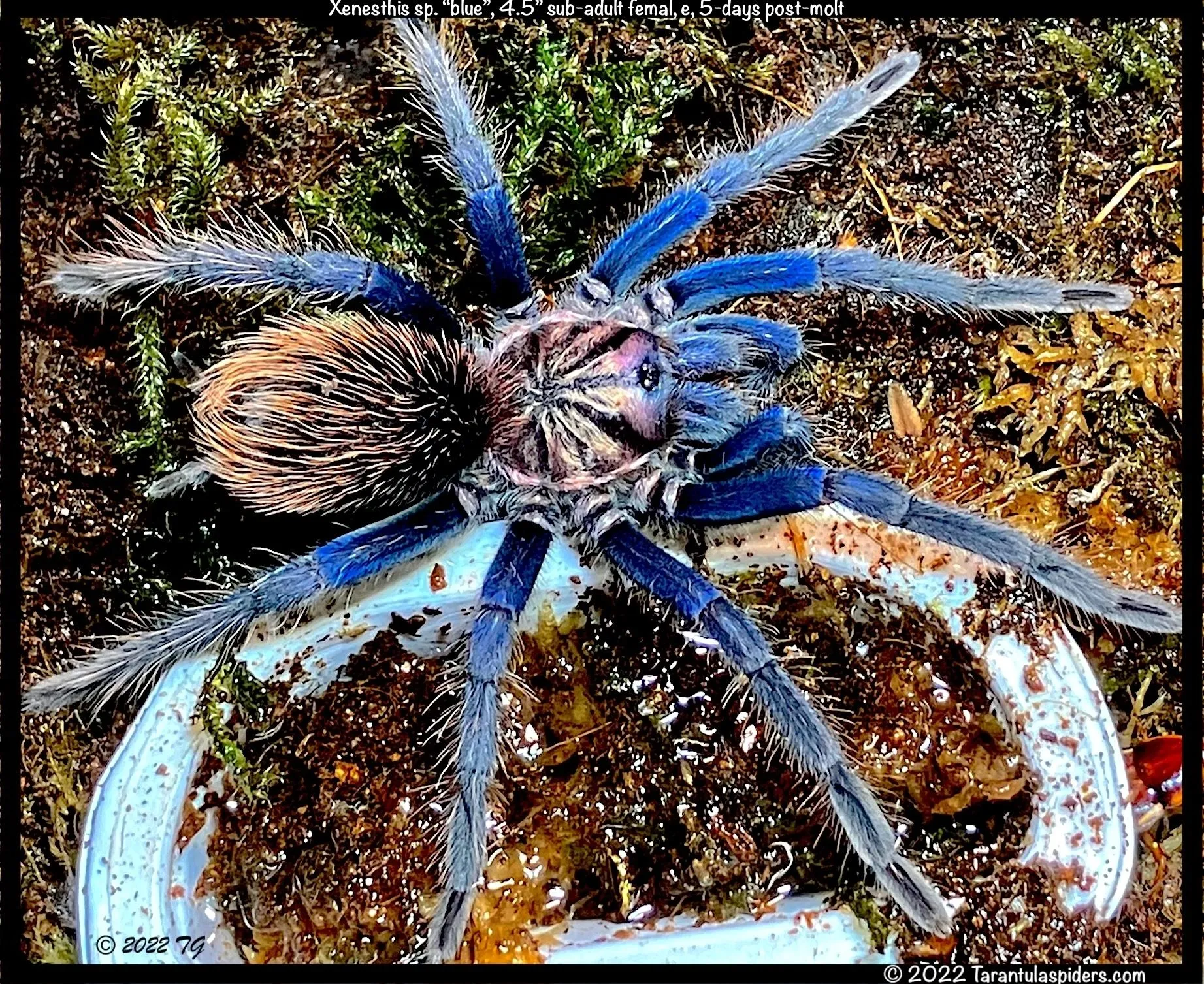
The tarantula genus refers to a group of large and hairy spiders belonging to the Theraphosidae family. These fascinating creatures are found in various habitats around the world, primarily in tropical and subtropical regions. Tarantulas are known for their imposing size, unique characteristics, and relatively docile nature compared to other spiders. This genus encompasses a wide variety of species, each with its own distinct features and behaviors. The tarantula genus is a subject of great interest for both arachnologists and enthusiasts, who are captivated by their diverse adaptations and ecological roles. Understanding the tarantula genus is key to appreciating the remarkable biodiversity within the spider world. They are generally not considered dangerous to humans, although their bite can be painful.
Key Characteristics of the Tarantula Genus
Tarantulas are easily identifiable by several key characteristics that set them apart from other spiders. These spiders are characterized by their large size, typically ranging from 3 to 12 inches in leg span, depending on the species. They possess a robust, hairy body covered in setae, which are specialized hairs that serve various functions, including sensory perception and defense. Tarantulas have eight eyes arranged in two rows, providing them with a wide field of vision. They have powerful fangs that they use to inject venom into their prey. Their bodies are divided into two main parts: the cephalothorax (fused head and thorax) and the abdomen. They also have chelicerae, pedipalps, and eight legs. These characteristics enable tarantulas to thrive in diverse environments and make them a fascinating subject of study.
Size and Appearance

The size and appearance of tarantulas vary significantly depending on the species. Some tarantulas are relatively small, while others can reach impressive sizes. Their bodies are typically covered in dense hairs, which can range in color from brown and black to vibrant hues of orange, red, and blue. The legs are long and powerful, used for both walking and climbing. Many species have distinctive patterns and markings on their bodies, which help them camouflage in their natural habitats. The pedipalps, located near the mouth, are used for sensory purposes and, in males, for mating. The chelicerae, or fangs, are formidable and are used to capture and subdue prey. The overall appearance of a tarantula reflects its adaptation to its environment and its role as a predator.
Habitat and Distribution of the Tarantula Genus
Tarantulas are found in a wide range of habitats across the globe, thriving in warm climates with ample vegetation and suitable shelter. They are primarily native to tropical and subtropical regions, including North and South America, Africa, Asia, and Australia. These spiders are adaptable creatures and can be found in various environments, such as forests, grasslands, deserts, and even urban areas. Their habitat preferences often depend on the species, with some tarantulas preferring to burrow underground, while others live in trees or under rocks. Understanding the habitat and distribution of tarantulas is critical for conservation efforts and for appreciating the diversity of these remarkable arachnids. Their presence in specific areas contributes to the ecological balance and provides valuable insights into ecosystem health.
Where They Live
Tarantulas exhibit diverse living preferences. Some species are terrestrial, constructing burrows in the soil or using existing shelters. Others are arboreal, living in trees and constructing silk webs or occupying natural crevices. Terrestrial tarantulas typically dig burrows, which serve as a refuge from predators and extreme weather conditions. Arboreal tarantulas tend to be more agile and are well-adapted to climbing and hunting in trees. Some tarantulas are opportunistic and utilize human-made structures or other readily available shelters. The choice of habitat depends on the species, its physical adaptations, and its access to food and protection. Knowing where they live is important for understanding their behaviors and conservation.
Geographic Range

The geographic range of tarantulas spans across several continents, with a concentration in tropical and subtropical regions. They are particularly abundant in the Americas, including the United States, Mexico, and South America. They can also be found in Africa, Asia, and Australia, inhabiting diverse ecosystems from rainforests to deserts. Specific species have their own unique distribution patterns. For example, some species are endemic to specific regions, while others have a wider range. The geographic range of tarantulas is subject to various factors, including climate, habitat availability, and the presence of predators or competitors. Understanding their geographic range provides valuable insights into their conservation status and ecological roles within different ecosystems.
Amazing Fact 1: Their Venom Is Mild
Contrary to popular belief, the venom of most tarantula species is not considered dangerous to humans. While a tarantula bite can be painful, causing localized symptoms like redness, swelling, and minor discomfort, it is generally not life-threatening. The venom is primarily designed to subdue their prey, which typically consists of insects, small rodents, and other invertebrates. The effects of a tarantula bite on humans are often similar to a bee sting. However, individual reactions can vary, and people with allergies or sensitivities may experience more severe symptoms. It is important to remain calm if bitten by a tarantula and seek medical attention if severe symptoms arise. Research indicates the venom’s primary function is for prey paralysis rather than a potent human threat.
Amazing Fact 2: Tarantulas Have Hairs
Tarantulas are covered in specialized hairs, or setae, which serve multiple purposes. These hairs come in different types, including sensory hairs that detect vibrations and movement. Some tarantulas have urticating hairs, which they use as a defense mechanism. When threatened, these tarantulas can flick these hairs into the air, causing irritation upon contact with the skin or eyes. Urticating hairs are particularly common in New World tarantula species. The presence of these hairs is an evolutionary adaptation. It deters predators and protects the tarantula from harm. Other hairs provide camouflage and help with sensory perception. The hairs play a vital role in the tarantula’s survival.
Amazing Fact 3: They Can Live a Long Time

Tarantulas are known for their impressive lifespans, which can extend for many years. Females typically live longer than males, often surviving for 15 to 25 years or even longer, depending on the species and environmental conditions. Males usually mature faster and have shorter lifespans, typically living for 5 to 10 years. This longevity is a remarkable trait, especially in the animal kingdom, contributing to the tarantulas’ slow reproductive rates. Their long lifespans allow them to grow and mature, reproduce multiple times, and play a consistent role in their ecosystems. The ability to live for such an extended period makes tarantulas an exceptional subject for scientific study and a testament to their adaptability.
Amazing Fact 4: They Are Nocturnal Hunters
Most tarantula species are nocturnal hunters, actively foraging for food during the night. They have adapted to this behavior, with keen sensory abilities. Tarantulas rely heavily on their sense of touch, detecting vibrations in the ground and air to locate their prey. They also possess sensitive hairs that help them sense subtle movements. Their nocturnal habits provide several advantages, including avoiding predators and exploiting the activity of nocturnal prey animals. They are efficient hunters, ambushing or actively pursuing their meals in the darkness. This nocturnal behavior allows them to thrive in various environments, avoiding competition and maximizing their hunting success. Their nocturnal hunting makes them a fascinating example of ecological adaptation.
Amazing Fact 5: Tarantulas and Molting
Tarantulas undergo a process called molting, during which they shed their exoskeleton to grow and replace it with a new one. Molting is a crucial aspect of tarantula life. Young tarantulas molt more frequently as they grow, whereas adults molt less often. Before molting, the tarantula may become inactive and retreat to a safe place. The molting process involves the tarantula producing a new, soft exoskeleton beneath the old one. The old exoskeleton then splits open. The tarantula emerges, slowly expanding its new, larger body. After molting, the tarantula is vulnerable. It requires time for its new exoskeleton to harden. Molting allows tarantulas to grow larger and replace damaged or worn parts. It is a fascinating process that demonstrates their incredible ability to adapt and thrive.
How to Identify a Tarantula Genus

Identifying a tarantula genus involves observing several key features. The size and appearance of the spider, including its leg span, body shape, and coloration, can be a good start. You should look for the presence of distinctive patterns or markings on its body. You can check the arrangement of its eyes, the shape of its chelicerae, and the presence or absence of urticating hairs. Comparing these features to known species descriptions and images can help narrow down the possibilities. Consulting with experts or using field guides and online resources can also be helpful. Be cautious when handling tarantulas. Observing these spiders in their natural habitat is often the best way to learn.
Identifying Features
Identifying features play a vital role in distinguishing between tarantula species. The leg span is an important measurement. The body shape and the proportions of the cephalothorax and abdomen provide valuable clues. The patterns of hair coverage and coloration on the body can be extremely diagnostic. The number, size, and position of the eyes are key identifiers, as are the shape and size of the fangs. The presence, absence, and location of urticating hairs are also important. By carefully examining these features and comparing them with reference materials, it becomes easier to narrow down the possibilities and identify the specific genus of the tarantula in question. Precise observations are crucial for accurate identification.
Behavioral Traits
Behavioral traits are also important in identifying a tarantula genus. Some species are known to be more docile than others. Some may exhibit defensive behaviors like raising their front legs or flicking urticating hairs. Some build elaborate webs, while others are burrowers. Their hunting styles, such as ambushing or actively pursuing prey, can vary. Their level of activity, whether they are nocturnal or diurnal, offers clues. By observing the behaviors in their natural environment, you can gain valuable insights into the genus. Combining behavioral observations with physical characteristics can significantly improve identification accuracy. Observing behavioral traits provides a deeper understanding of the tarantula’s life cycle.