Understanding Tarantulas
Tarantulas, with their captivating appearance and intriguing behaviors, have become popular pets for many enthusiasts. However, before considering handling these fascinating creatures, it’s crucial to develop a comprehensive understanding of their nature. This guide delves into the essentials of tarantula behavior, handling safety, and the best practices for interacting with your eight-legged friend. Understanding their temperament and potential risks is the first step toward ensuring a safe and enriching experience for both you and your tarantula. Remember that their natural instincts are very different from the domesticated pets that we are used to, so a respectful approach is key.
Tarantula Behavior and Temperament
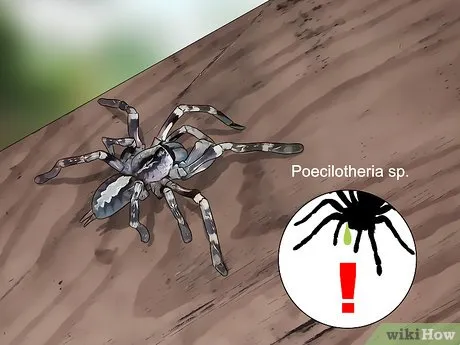
Tarantulas, while often perceived as aggressive, are typically docile creatures that prefer to avoid confrontation. Their behavior is largely influenced by their environment, stress levels, and species. Some species are known for their docile nature, while others may exhibit defensive behaviors like raising their front legs, flicking urticating hairs, or even attempting to bite. It is essential to research the specific temperament of your tarantula species, as this will greatly impact your approach to handling. Recognizing the subtle cues in their behavior is critical for understanding their mood and responding appropriately. The more you observe your tarantula, the better you will understand its individual personality.
How to Identify a Calm Tarantula
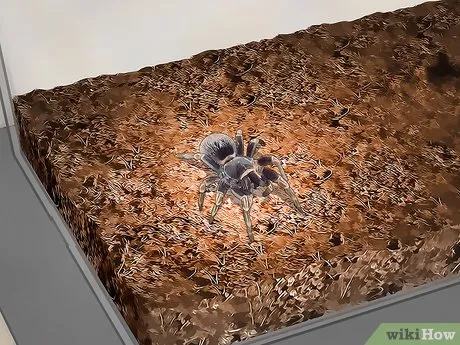
Identifying a calm tarantula is paramount to minimizing the risk of a negative interaction. Observe your tarantula’s posture and movements. A calm tarantula will typically exhibit a relaxed posture, with its legs spread comfortably and its body settled. Avoid approaching a tarantula that is in a defensive posture, such as raising its front legs or positioning itself in a way that seems ready to strike. A tarantula that is actively hiding or trying to escape is also likely stressed. Before even considering handling, ensure your tarantula has recently eaten and has access to water, as hunger or thirst can increase stress levels. Consistent observation of your tarantula’s behavior will help you recognize its baseline temperament and identify any signs of distress.
Why You Shouldn’t Always Pick Up a Tarantula
While it may be tempting to handle your tarantula frequently, it’s important to consider the potential risks and stressors involved. Tarantulas are not social creatures and do not enjoy being handled. The act of picking up a tarantula can be a stressful experience, potentially leading to defensive behaviors. Furthermore, there is always a risk of accidental injury to the tarantula, such as dropping it or causing it to become injured during handling. Frequent handling can also disrupt the tarantula’s natural behaviors, such as feeding and molting. It’s better to prioritize the tarantula’s well-being, focusing on creating a comfortable habitat and observing its behavior rather than forcing physical interaction.
The Risks of Handling Tarantulas
Handling tarantulas carries several inherent risks. The most obvious is the potential for a bite, which, while rarely life-threatening, can be painful and cause localized swelling, itching, and muscle cramps. Another risk is the tarantula’s defense mechanism of flicking urticating hairs, which can cause severe skin and eye irritation. Furthermore, a tarantula can be easily dropped or injured during handling, especially if it becomes startled or attempts to escape. Consider the physical vulnerabilities of the tarantula, as well as any personal allergic reactions you may have. Understanding these risks is essential for making informed decisions about handling your tarantula.
Allergic Reactions and Venom Toxicity
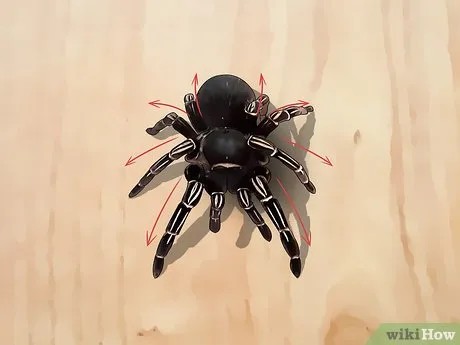
While tarantula bites are generally not considered medically significant, allergic reactions are possible. Symptoms can range from mild skin irritation to more severe reactions, such as difficulty breathing. Venom toxicity varies depending on the species. Some tarantulas have more potent venom than others. It’s essential to know the species of your tarantula and understand the potential risks. If you experience any allergic symptoms or feel unwell after being bitten, seek medical attention immediately. Be prepared with information about your tarantula species and the circumstances of the bite. Keep an antihistamine on hand and know the signs of a severe allergic reaction, such as swelling of the throat or difficulty breathing.
Best Practices for Tarantula Handling
If you decide to handle your tarantula, it is crucial to take all the necessary precautions. Handling should only be done when absolutely necessary, such as for health checks or habitat maintenance. Always prioritize the safety and well-being of the tarantula. Ensure the environment is calm and free from distractions. Prepare your hands thoroughly before handling, washing them gently and ensuring they are free from any residues, like soap or lotion. Never handle a tarantula when you are rushed, or if you are feeling anxious. A calm and confident approach will help to reassure your tarantula.
Preparing Your Environment
Before attempting to handle your tarantula, prepare the environment to minimize stress and ensure safety. Choose a location that is quiet, well-lit, and free from potential hazards. Clear the area of furniture and objects that could pose a risk if the tarantula were to escape. The best place is usually a low-lying surface. Consider having a large, secure container on hand, ready to be used if the tarantula needs to be contained. Preparing your environment helps to provide a safe and controlled experience, reducing the likelihood of accidents and promoting a smooth handling process. Have all the necessary tools within easy reach before starting.
Proper Handling Techniques

When handling your tarantula, approach it slowly and calmly. Gently encourage the tarantula to walk onto your open hand, avoiding sudden movements or grabbing. Support the tarantula’s body and allow it to move at its own pace. Avoid holding the tarantula too high above the ground, and always be prepared for the possibility of it attempting to escape. Keep your movements slow and predictable. If the tarantula becomes agitated, gently place it back into its enclosure and try again later. Always wash your hands thoroughly after handling, even if there was no contact.
Using Tools for Handling
In some cases, using tools can be a safer alternative to direct handling. Soft brushes can be used to gently guide the tarantula into a container. Long tweezers or tongs can be used to move the tarantula’s food or to remove debris from its enclosure without getting too close. These tools can help to minimize the risk of bites or other defensive reactions. If you are a beginner, consider using tools until you are more comfortable with handling. These tools create a buffer between you and the tarantula, allowing you to interact with it safely.
Post-Handling Safety Measures
After handling your tarantula, take appropriate safety measures to ensure both your well-being and the well-being of your pet. Thoroughly wash your hands with soap and water. Keep a close eye on the tarantula for any signs of stress or injury. Check for any urticating hairs that might have become attached to your skin or clothing. Should any irritation occur, treat it with cool water and calamine lotion. Observe the tarantula’s behavior over the next few days to ensure it has settled back into its environment. If there are any unusual reactions, seek expert advice.
Alternatives to Direct Handling

There are several ways to interact with your tarantula without direct handling. One option is to create a visually stimulating environment by providing a diverse habitat with interesting plants, hides, and decorations. This allows you to observe the tarantula’s natural behaviors. Another option is to feed your tarantula with long tongs. You can also utilize a camera to record their behavior. These methods promote the tarantula’s well-being while offering engaging interactions. By respecting the tarantula’s space and needs, you can build a rewarding bond and appreciate their unique qualities.
Creating a Bond With Your Tarantula
Building a bond with your tarantula doesn’t necessarily involve physical contact. Instead, focus on creating a comfortable and enriching environment. Provide appropriate heating, humidity, and hiding spots that suit the species’ needs. Offer a varied diet and observe the tarantula’s feeding responses. Spend time observing its behavior, noting its patterns and preferences. A deep sense of connection can be fostered through attentive observation and responsible care. This approach underscores the respect for your tarantula, creating a foundation of trust and mutual understanding.
Observing Tarantulas in Their Habitat
Observing your tarantula in its natural habitat is a rewarding way to appreciate its behaviors and appreciate the fascinating lives of these creatures. Set up the enclosure with appropriate substrate, temperature gradients, and ample hiding places. Watch the tarantula explore its environment, hunt for food, and engage in other natural activities. Provide a well-lit environment and use a magnifying glass or camera to record their movements. When you are familiar with their daily routines, it will be easier to identify any potential health or behavioral issues. The more you observe your tarantula, the more you will appreciate the marvel of its existence.
In conclusion, while it is possible to handle a tarantula, it’s essential to prioritize their well-being and safety above all else. By understanding their behavior, risks, and employing proper handling techniques or opting for alternative interactions, you can enjoy your tarantula as a fascinating pet and minimize the risk of harm. Always research your tarantula’s specific species and adopt responsible pet ownership practices. Prioritize the animal’s health and happiness, and always handle them with respect and care. With proper knowledge, you can create a thriving environment for your tarantula and enjoy a rewarding experience as a pet owner.