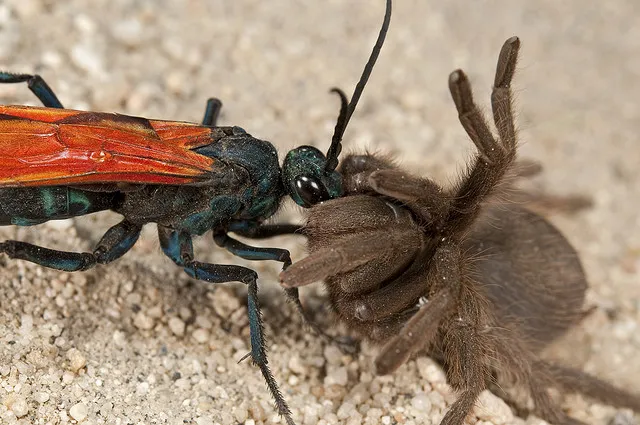
Top 10 Tarantula Hawk Wasp Facts
The tarantula hawk wasp, a formidable insect, captures the attention of entomologists and nature enthusiasts alike. Known for its impressive size, striking appearance, and incredibly painful sting, this wasp leads a fascinating life. This article delves into the top 10 facts about tarantula hawk wasps, offering a comprehensive overview of their behavior, biology, and ecological role. From their hunting strategies to their reproductive cycle, we explore the key aspects that make these wasps so intriguing. Prepare to be amazed by the world of the tarantula hawk wasp, a creature that perfectly embodies the raw power and intricate complexity of the natural world. Throughout this exploration, you will gain a deeper understanding of their role in ecosystems and the adaptations that allow them to thrive in various environments. This journey into the life of the tarantula hawk wasp will uncover the remarkable facets of their existence, one fact at a time.
Appearance and Identification
Identifying a tarantula hawk wasp is relatively straightforward, thanks to its distinct features. They are typically characterized by a striking combination of black or dark blue bodies and orange wings. The contrast between the dark body and bright wings makes them easily recognizable in their natural habitat. These wasps are often mistaken for other wasps, but their size and coloration set them apart. When observing a tarantula hawk wasp, look for a robust build and long legs, which are essential for their lifestyle. The vibrant orange wings are not just for show; they play a vital role in flight and are a clear visual indicator of their presence. Their appearance is a clear signal of their power and presence, warning potential predators. Understanding these physical attributes is fundamental to recognizing and appreciating these remarkable insects.
Size and Physical Characteristics

Tarantula hawk wasps are among the largest wasps on Earth. The females are typically larger than the males, with a body length that can reach up to two inches. Their substantial size contributes to their hunting prowess, providing the strength needed to subdue tarantulas. In addition to their size, these wasps possess powerful mandibles and strong legs. The mandibles help in manipulating their prey, while the legs provide the necessary grip and mobility for various tasks, from nest-building to hunting. Their thick exoskeleton provides protection against the elements and potential predators, enhancing their survival. These physical characteristics collectively make the tarantula hawk wasp a formidable predator and a fascinating subject of study.
Habitat and Distribution
Tarantula hawk wasps are primarily found in the southwestern United States, especially in arid and semi-arid regions. They thrive in areas with abundant tarantula populations, their primary food source. Their geographic distribution extends to parts of Central and South America, where suitable habitats exist. These wasps prefer environments with sandy or loamy soils, where they can dig nests. Their habitat is crucial for their survival, as it provides access to both prey and nesting locations. Understanding the habitat requirements of the tarantula hawk wasp helps in appreciating their ecological role and aids in their conservation. They are a testament to the adaptability of nature and the diverse environments that support life. Understanding their habitat also underscores the delicate balance within ecosystems.
Where They Are Found
Tarantula hawk wasps can be found in a variety of habitats within their geographic range. They frequent deserts, grasslands, and open woodlands. Their presence is often linked to areas where tarantulas are common. These wasps are highly adaptable and can be observed in diverse landscapes. Their ability to thrive in different environments highlights their resilience. Local climate and availability of prey largely influence their distribution. Understanding their habitat preferences helps in spotting and studying them in their natural environment. The specific locations where these wasps live can provide valuable insights into their behavior and ecological interactions. Their presence is a sign of a healthy ecosystem, indicative of a thriving food web.
Diet and Predatory Behavior

The diet of the tarantula hawk wasp primarily consists of tarantulas. The female wasp actively hunts tarantulas, paralyzing them with her sting before dragging them back to a nest. The wasp then lays a single egg on the paralyzed tarantula, providing a food source for the wasp larva. Their hunting behavior is a marvel of nature, requiring precision and strength. This predatory behavior underscores the ecological importance of tarantula hawk wasps in controlling tarantula populations. The wasp’s diet highlights the intricate relationships within ecosystems. The specialized diet of the tarantula hawk wasp sets them apart, marking them as a unique and essential part of their environment.
Hunting Tarantulas
Hunting a tarantula is a complex and dangerous task, yet the tarantula hawk wasp is well-equipped for the challenge. The wasp first locates a tarantula, often by scent, and then engages in a fierce battle. The wasp carefully maneuvers to sting the tarantula, using its powerful venom to paralyze its prey. The sting is famously painful, earning the wasp its fearsome reputation. Once the tarantula is immobilized, the wasp drags it back to a nest, where it will lay its egg. This hunting strategy is a testament to the wasp’s strength and determination. The process reveals the intricate interactions within the animal kingdom. Their hunting skills and strategies make them stand out as predators in their environment.
The Sting of the Tarantula Hawk Wasp
The sting of the tarantula hawk wasp is legendary for its excruciating pain. Ranked as one of the most painful insect stings in the world, the experience is often described as a searing, electrical shock. The pain can last for several minutes, and the sting is capable of paralyzing a tarantula. The venom of the wasp is specifically designed to incapacitate its prey. While the sting is incredibly painful, it is generally not life-threatening to humans. However, the intense pain can be overwhelming. Understanding the effects of the sting underscores the power and specialization of these insects. The notoriety of the tarantula hawk wasp’s sting has made it a subject of both fascination and fear.
The Schmidt Sting Pain Index

The Schmidt Sting Pain Index, created by entomologist Justin Schmidt, provides a scientific scale to measure the relative pain of different insect stings. On this scale, tarantula hawk wasp stings score a 4, the highest level, indicating extreme pain. The index ranks stings based on their intensity and duration. The tarantula hawk wasp’s sting receives the highest rating, emphasizing its severity. The Schmidt Sting Pain Index is a useful tool for understanding and comparing the effects of insect stings. This system allows for the objective evaluation of the pain associated with various stings, offering insight into the defenses of insects. The high ranking of the tarantula hawk wasp sting highlights the power of its venom.
Lifecycle and Reproduction
The lifecycle of the tarantula hawk wasp is a fascinating example of parasitoidism. After paralyzing a tarantula, the female wasp drags it to a prepared nest, often a burrow in the ground. She then lays a single egg on the tarantula’s abdomen. Once the egg hatches, the larva feeds on the paralyzed tarantula, consuming it from the inside out. The larva undergoes several molts before pupating within the tarantula’s exoskeleton. The pupa then transforms into an adult wasp, completing the lifecycle. This process illustrates the intricate strategies of nature. Understanding the lifecycle is vital to the study of these wasps, revealing their intimate relationship with their prey and their role in the ecosystem. Their reproductive strategies showcase the complexity of life and the interactions within the insect world.
Mating and Nesting Habits
Mating and nesting habits of tarantula hawk wasps are essential to their survival. Male wasps often patrol areas in search of females, while females focus on hunting and nest preparation. The female wasp selects a suitable location for the nest, which is typically a burrow in the ground. After paralyzing a tarantula, she drags the tarantula into the nest, lays an egg on it, and seals the nest. The wasp then continues to hunt, ensuring her offspring has a food supply. Their nesting habits reveal the care they provide to their offspring. Understanding their mating habits sheds light on their social behavior and reproductive strategies. These aspects provide insights into the wasps’ survival techniques and highlight their place in the ecosystem.
Predators and Threats

Despite their formidable defenses, tarantula hawk wasps face threats from various predators. Birds and other large insects are known to prey on them. The wasps also have to contend with environmental factors, such as habitat loss and pesticide use, which can impact their survival. Predation and other environmental factors play a role in the population dynamics of these wasps. Climate change and other factors can threaten their habitats. Understanding these threats helps in efforts to protect the species. Their natural enemies include certain species of birds and other insects. This knowledge is crucial for the conservation and management of the tarantula hawk wasp population.
Natural Enemies
Tarantula hawk wasps have a few natural enemies. Birds, in particular, have been known to prey on them. Other insect species may also attack them, especially during the larval or pupal stages. The wasps have developed several defensive mechanisms, including their powerful sting and a robust exoskeleton, to avoid predation. Their natural enemies play a crucial role in regulating their population. Understanding the natural enemies of tarantula hawk wasps helps in understanding the balance within ecosystems. These interactions highlight the complex web of life. The interactions between these insects help to keep the ecosystem balanced.
Conservation Status and Human Interaction
The tarantula hawk wasp is not currently considered endangered, but habitat loss and pesticide use can pose threats to their populations. Human activities can impact their survival. Conservation efforts focus on preserving their natural habitats and reducing the use of harmful chemicals. Human interaction with these wasps is generally limited, but caution is advised due to their painful sting. Education and awareness are vital for their preservation. Understanding the conservation status and the potential impacts of human actions helps in promoting sustainable practices. Promoting awareness contributes to the well-being of these fascinating insects. It’s important to respect these insects and their habitats.
Interesting Behaviors and Adaptations

Tarantula hawk wasps exhibit several interesting behaviors and adaptations that contribute to their survival. Their hunting strategy is a remarkable example of predatory behavior. Their ability to drag tarantulas, which can be several times their size, demonstrates their incredible strength. The wasps’ sting is specifically designed to incapacitate prey. Their unique behaviors are driven by their specialized lifestyle. Understanding their adaptations provides insight into the evolutionary processes that have shaped them. These adaptations help them thrive in their environment. They are a testament to the wonders of the natural world. Their ability to adapt helps them survive and continue their life cycle.