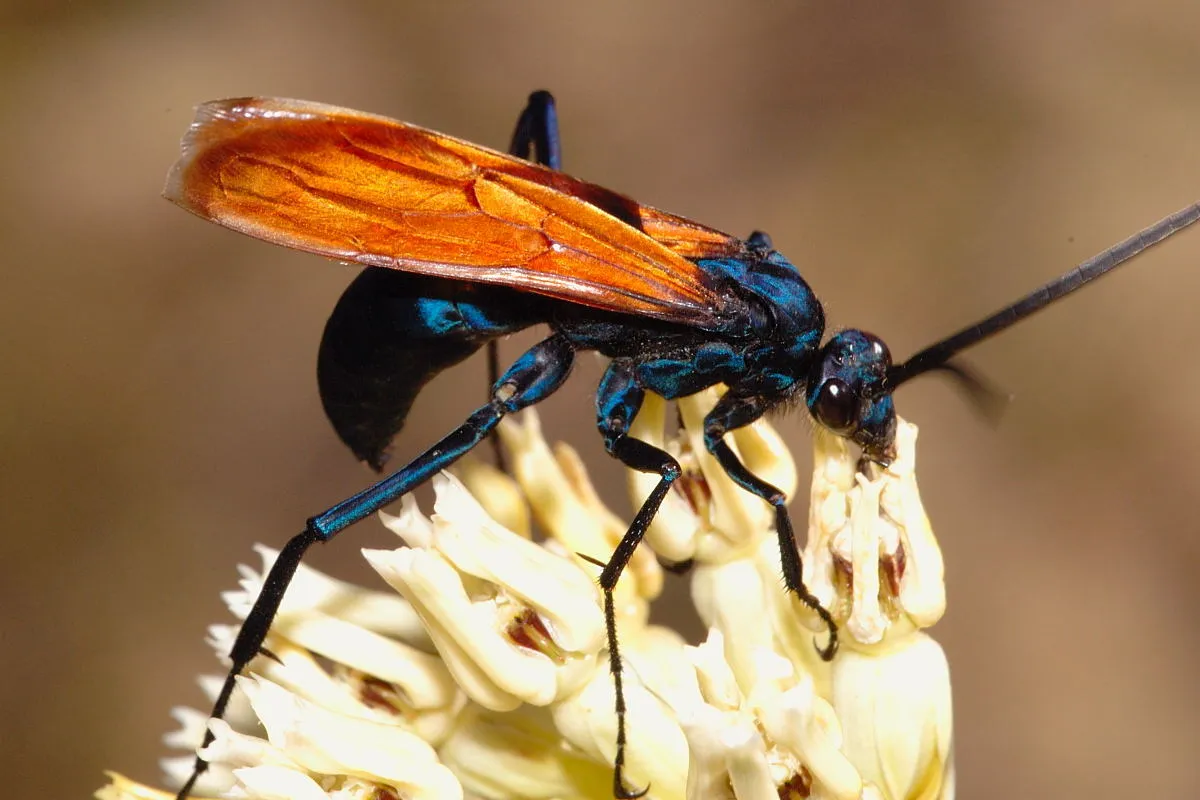
What is a Tarantula Hawk Wasp
The tarantula hawk wasp is a fascinating insect, a member of the Pompilidae family, known for its impressive size, striking appearance, and a notorious reputation for having one of the most painful stings in the insect world. These wasps are solitary predators, and their life cycle revolves around tarantulas, which they use as hosts for their larvae. They are found in various habitats, primarily in the Americas, where they play a vital role in the ecosystem. Their behavior is a marvel of nature, showcasing complex hunting strategies and a unique relationship with their prey. This blog post will delve into the captivating world of the tarantula hawk wasp, exploring its characteristics, behaviors, and the remarkable facts that make it such a compelling creature.
Appearance and Identification
Tarantula hawk wasps are easily recognizable due to their large size and vibrant coloration. They can range from 1 to 2 inches in length, with females generally being larger than males. They typically have a dark blue or black body, contrasted by vividly colored wings, often displaying shades of orange, rust, or metallic blue. Their powerful legs are designed for digging and carrying their massive prey. The combination of size and color serves as a warning signal to potential predators, indicating the potency of their sting. Identifying a tarantula hawk wasp is straightforward due to its unique appearance, making it relatively easy to distinguish from other wasp species.
Habitat and Distribution

These impressive wasps are primarily found in the Americas, with the highest diversity of species in the southwestern United States and parts of Latin America. They thrive in arid and semi-arid environments, including deserts, grasslands, and scrublands, where tarantulas are abundant. Their habitat preference is closely tied to the presence of their primary prey, the tarantula. The wasps are well-adapted to these warmer climates, using their size and coloration to their advantage. They can be observed actively hunting for tarantulas during the warmer months, especially during the late summer and early fall. Their distribution is a key factor in understanding their ecological role and the threats they face.
Top 7 Facts About Tarantula Hawk Wasps
Fact 1 Amazing Sting
The sting of the tarantula hawk wasp is legendary for its intensity and duration. It’s considered one of the most painful stings in the world, earning it the nickname ’tarantula hawk.’ The pain is not immediately life-threatening to humans, but it is excruciating, described as a searing, blinding pain that can last for several minutes. The wasp uses its powerful stinger to paralyze tarantulas, and it’s only employed when the wasp is threatened or during its hunt. This intense pain serves as a potent deterrent to predators, effectively protecting the wasp from harm.
Fact 2 The Tarantula Hunt

The tarantula hawk wasp’s hunting behavior is a remarkable display of predator-prey interaction. The female wasp actively seeks out tarantulas, often by crawling into their burrows or patiently waiting near their entrances. Once a tarantula is located, the wasp will engage in a dangerous dance, attempting to sting the spider. The wasp aims to sting the tarantula in a specific location to paralyze it, which requires both precision and speed. This hunt is a testament to the wasp’s specialized adaptations and behavioral strategies for securing its next meal and host for its larva.
Fact 3 Paralysis and Egg Laying
After successfully stinging and paralyzing the tarantula, the wasp drags the spider to a burrow, often the tarantula’s own. The wasp then lays a single egg on the tarantula’s abdomen. The tarantula remains paralyzed but alive, serving as a living incubator for the wasp larva. This unique reproductive strategy ensures that the larva has a ready supply of fresh food, which is essential for its survival. This carefully orchestrated process underscores the intricate relationship between the wasp and its prey, as well as its life cycle.
Fact 4 The Larval Stage
Once the wasp egg hatches, the larva begins to feed on the paralyzed tarantula. Initially, the larva consumes non-vital parts of the spider, such as the legs, to keep the host alive for as long as possible. As the larva grows, it gradually consumes the entire tarantula. The larval stage is a crucial period for the wasp’s development, as it provides the necessary nutrients for the wasp to mature. This feeding behavior is a fascinating example of parasitism, where one species benefits at the expense of another.
Fact 5 Venom Composition

The venom of the tarantula hawk wasp is composed of various compounds that work synergistically to paralyze the tarantula. Research indicates that the venom contains a complex cocktail of neurotoxins and other chemicals that affect the tarantula’s nervous system. The venom’s composition is designed to quickly immobilize the tarantula, allowing the wasp to safely complete its reproductive process. The study of this venom is an area of ongoing research, with the potential to provide valuable insights into pain management and the development of new pharmaceuticals.
Fact 6 Painful Sting
The excruciating pain from a tarantula hawk wasp sting is a well-documented phenomenon. The sting causes an immediate and intense burning sensation that spreads quickly. The pain is not just a physical sensation; it can also induce temporary paralysis and disorientation. While the pain subsides after a few minutes, the memory of the experience can last much longer. The pain level is often compared to the sensation of being electrocuted or suffering a severe burn. This pain is a critical element of the wasp’s defense mechanism.
Fact 7 Predators and Defense
Despite their formidable sting, tarantula hawk wasps do have predators, including birds and other insects. The wasp’s primary defense mechanism is, of course, its sting, which is powerful enough to deter most predators. Additionally, the wasp’s vibrant coloration serves as a warning sign, indicating the potential danger to any creature considering it as prey. The wasp’s agility and quick flight also help it to evade attacks. These defenses, along with the wasp’s sting, ensure that it has a reasonable chance of survival in its environment.
Behavior and Life Cycle
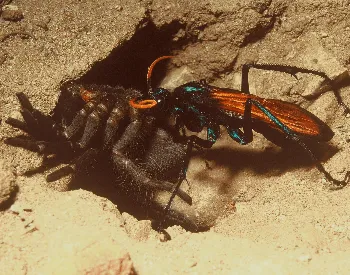
The tarantula hawk wasp’s life cycle is a remarkable example of natural adaptation and predator-prey interaction. The cycle begins with the adult wasp, which is primarily focused on reproduction. The female wasp hunts tarantulas, paralyzes them, and lays an egg. This egg then hatches, and the larva feeds on the spider until it reaches maturity, eventually pupating and emerging as an adult. The wasp’s life cycle is intricately linked to the tarantula population, making the wasp’s survival dependent on the presence of tarantulas in their habitats. The wasps exhibit complex behaviors, including nest building, mating rituals, and hunting strategies. Their behavior is also heavily influenced by the environmental conditions and the availability of their prey.
Mating and Reproduction
Mating behavior in tarantula hawk wasps involves the male wasp searching for a female wasp. Once a male finds a female, he will try to mate with her. The female then seeks out a tarantula to hunt and paralyze, before laying a single egg on the spider’s abdomen. The egg hatches, and the wasp larva feeds on the paralyzed spider, eventually pupating inside the spider’s body. Once the wasp larva is fully developed, it will emerge as an adult, ready to continue the cycle. The entire process highlights the efficiency and complexity of the wasp’s reproductive strategy.
Diet and Feeding Habits
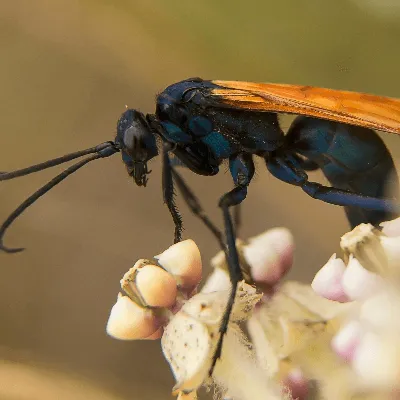
Adult tarantula hawk wasps feed on nectar, which provides them with the energy needed for flight and hunting. The larvae, however, are carnivorous, feeding exclusively on tarantulas. The larvae consume the paralyzed tarantula from the inside out, obtaining all the necessary nutrients for their development. The adult wasp’s diet is different from the larval diet, reflecting the distinct stages of the wasp’s life cycle and the different roles each stage plays in its survival and reproduction. The adult wasp’s diet helps it sustain its hunting and reproductive activities.
Conservation Status and Threats
The tarantula hawk wasp is not currently considered an endangered species, but the threats they face deserve attention. Habitat loss due to human activities, such as urbanization and agriculture, reduces the availability of suitable environments for both the wasps and their prey. The use of pesticides also poses a threat, as it can directly harm the wasps or affect their food source. Climate change may also have an impact, as it can alter the wasps’ habitat and affect the abundance of tarantulas. Conservation efforts are crucial to ensure the continued existence of these fascinating creatures.
The Ecological Role of Tarantula Hawk Wasps
Tarantula hawk wasps play a significant role in their ecosystems. They act as a natural control agent for tarantula populations. By parasitizing tarantulas, the wasps help to regulate the spider’s numbers, thus contributing to the balance of the ecosystem. They also serve as pollinators, as the adults feed on nectar. The presence of these wasps often indicates a healthy environment where both the wasps and their prey can thrive. The study of their ecological role provides insights into the overall health and balance of their ecosystems.
Threats to Their Survival
Tarantula hawk wasps are susceptible to various threats. Habitat destruction is a major concern, as the loss of their natural habitats, and the tarantula habitats, reduces the areas where they can hunt and reproduce. Pesticide use can directly harm the wasps or reduce the tarantula population, which threatens their survival. Climate change could alter environmental conditions, such as temperature and rainfall patterns, which could impact the wasps’ lifecycle and the availability of their prey. Conservation efforts are therefore necessary to address these threats and protect these interesting wasps.