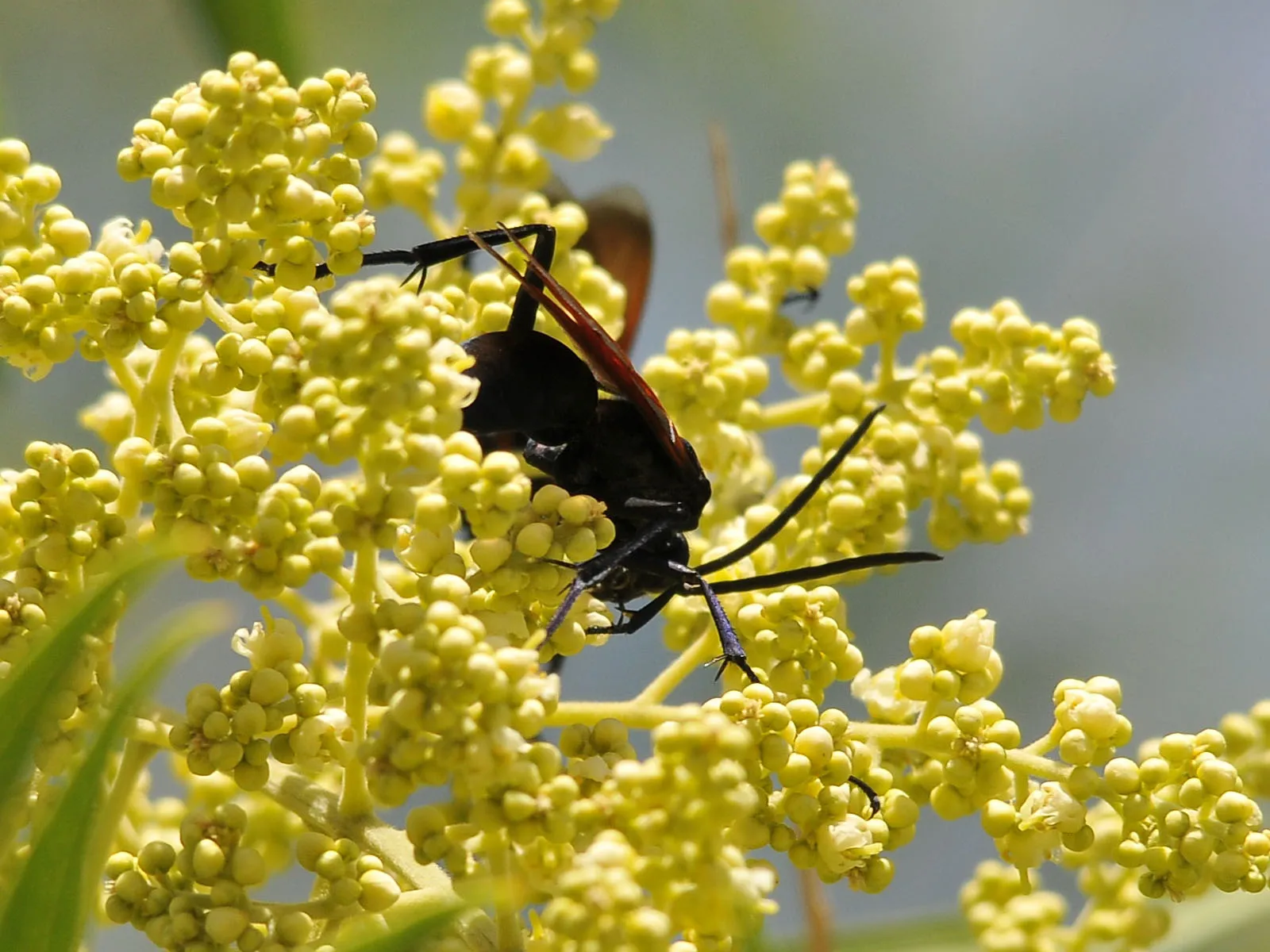
What are Tarantula Hawks?
Tarantula Hawks are among the largest wasps on Earth, renowned for their striking appearance and formidable sting. These impressive insects belong to the Pompilidae family, and they are famous for their unique hunting behavior — specifically, preying on tarantulas. Their lifecycle is a testament to nature’s intricate designs, showcasing a fascinating predator-prey relationship that captures the imagination of wildlife enthusiasts and scientists alike. Their size, often reaching up to two inches in length, combined with their vibrant coloration, makes them easily recognizable, though it’s advisable to observe them from a safe distance. The females are the primary hunters, using their potent sting to paralyze tarantulas, dragging them to a burrow, and laying a single egg on the spider’s abdomen. The ensuing larva feeds on the still-living tarantula, making it a gruesome, yet captivating, example of nature’s survival strategies.
Appearance and Identification
Identifying a tarantula hawk is relatively straightforward due to its distinct appearance. They typically exhibit a deep blue-black body, contrasted by bright, rust-orange wings. This color combination serves as a warning sign to potential predators, advertising their potent sting. The wasps have long legs, which are used for walking on the ground and navigating their surroundings. The antennae are also quite long and slender, aiding in sensory perception, including detecting prey and mates. While the males are slightly smaller than the females, both sexes share the same striking coloration. The buzzing sound they produce during flight is also a characteristic feature, often alerting observers to their presence. If you spot a large wasp with these characteristics, it is highly likely that it is a tarantula hawk, though caution should always be exercised.
Behavior and Lifecycle

The behavior and lifecycle of tarantula hawks revolve around their hunting and reproduction. The female wasp seeks out tarantulas, which are paralyzed with a single sting. She then drags the immobilized spider to a burrow or nest, where she lays a single egg on the spider’s abdomen. The larva hatches and consumes the tarantula, a grisly but crucial part of its development. Once fully grown, the larva pupates within the spider’s body, eventually emerging as an adult wasp. The males, on the other hand, are primarily focused on mating and do not participate in hunting. They feed on nectar from flowers and may be seen perched on vegetation, awaiting the emergence of females. The entire lifecycle, from egg to adult, is a testament to the intricate balance of nature, and the tarantula hawk’s role as a predator is vital in regulating spider populations in their habitats.
Top 5 Locations to Find Tarantula Hawks
Tarantula Hawks inhabit a variety of regions, thriving in warm climates where tarantulas are abundant. Identifying the most probable locales to spot these fascinating insects can significantly enhance your observation chances. Here are some of the prime locations to increase your chances of finding a tarantula hawk in its natural habitat.
The Southwestern United States
The Southwestern United States, including states like Arizona, New Mexico, Texas, and California, provides an ideal habitat for tarantula hawks. The arid and semi-arid landscapes, coupled with a thriving population of tarantulas, create a perfect environment for these wasps. The warm temperatures and abundance of sunshine also support their activity. During the late summer and early fall, the tarantula hawks are most active, increasing the chances of spotting them. Be sure to explore desert regions, grasslands, and open areas. Remember to observe from a distance, appreciating these insects while prioritizing your safety.
Desert Regions

Deserts, especially those with sandy or sparse vegetation, are a favorable habitat. Look for them in areas with readily available tarantulas. The open spaces enable these wasps to easily hunt and nest. Be prepared for the heat, wear appropriate clothing, and always carry enough water.
Grasslands and Open Areas
Grasslands and open spaces bordering desert areas offer suitable environments. These areas have lower densities of vegetation, providing open hunting grounds. While less common than in the deserts, tarantula hawks are still found in these locales.
Mexico
Mexico, with its diverse ecosystems, is a significant location for tarantula hawks. The warm climate and variety of habitats, from deserts to grasslands, support thriving populations of both tarantulas and the wasps that prey on them. Certain regions, such as the northern deserts and areas with warmer temperatures, provide the ideal setting. Be careful to keep a safe distance and remember to be mindful of the environment.
Australia

Australia’s arid and semi-arid regions provide suitable habitats for several species of tarantula hawks. The warmer climate and presence of tarantulas make certain parts of the country excellent spots for observing these wasps. The vast, open landscapes in states like Queensland, Northern Territory, and Western Australia provide the right conditions. Always prioritize caution, wear appropriate clothing and protective gear when exploring.
South America
South America, particularly regions with arid and semi-arid environments, provides habitats for various tarantula hawk species. Countries such as Argentina, Brazil, and Venezuela often have appropriate environments. The warm temperatures and prevalence of tarantulas in these areas increase the probability of encountering these wasps. Always maintain a safe distance and remain aware of your surroundings.
Tips for Spotting Tarantula Hawks
Increasing your chances of seeing a tarantula hawk requires a bit of knowledge and patience. Here are a few tips to help you locate these amazing insects:
Best Times for Observation

The best time to observe tarantula hawks is typically during the warmer months, from late summer to early fall. This period corresponds with the wasps’ mating season and the availability of tarantulas, making them more active and visible. Early mornings and late afternoons are often prime viewing times, as they are less active during the hottest parts of the day.
Habitat Preferences
Tarantula hawks prefer open, sunny areas, especially those with sandy or sparsely vegetated ground. Deserts, grasslands, and open fields are their preferred habitats. Look for areas where tarantulas are abundant, as this is where tarantula hawks are most likely to be found. Inspecting areas near tarantula burrows can increase your chances of spotting them.
Safety Precautions
Tarantula hawks have one of the most painful stings known to humans, so safety should be your top priority. Always maintain a safe distance from these insects and avoid any actions that could provoke them. Do not attempt to handle or disturb them. Wear protective clothing, such as long sleeves and pants, when exploring areas where tarantula hawks are known to be present. If you are stung, seek immediate medical attention. Remember, observing these remarkable creatures requires respect and caution.