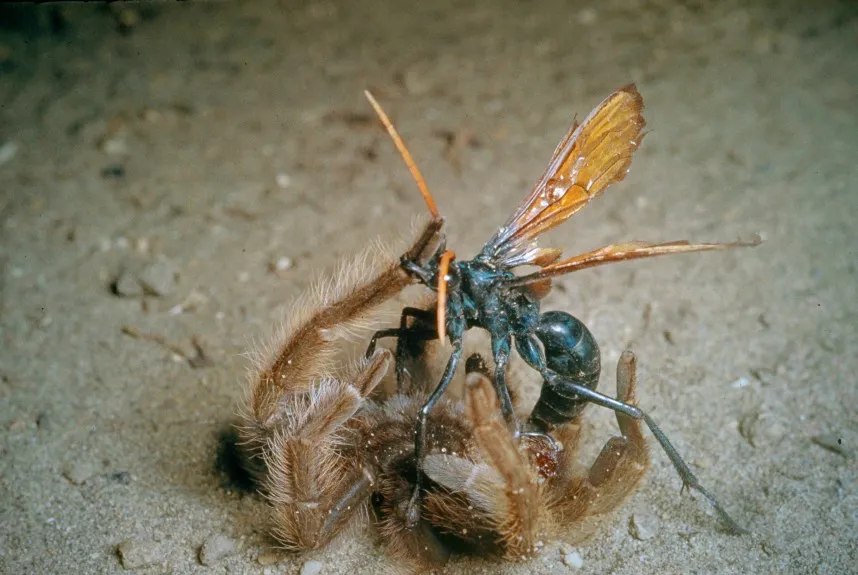
Tarantula Hawks, renowned for their formidable size and painful sting, are not just impressive insects; they are also fascinating architects of their own homes. These solitary wasps undertake a meticulous process of nesting, a behavior essential for the survival of their offspring. Understanding where and how these creatures nest provides a unique insight into their life cycle and their crucial role within their ecosystem. This article explores the fascinating world of tarantula hawk nesting, revealing where to find their nests and the secrets behind their nesting behaviors.
What Are Tarantula Hawks and Why Do They Nest
Tarantula Hawks (Pepsis spp.) are large, robust wasps, easily recognized by their vibrant blue-black bodies and orange wings. They are most famous for their hunting behavior, which involves paralyzing tarantula spiders and using them as hosts for their larvae. But this remarkable hunting behavior is intrinsically linked to their nesting habits. Nesting is vital for tarantula hawks because it provides a safe environment for their eggs and developing larvae. The nest serves as a protective chamber where the larvae can feed on the paralyzed tarantula, ensuring their survival and the continuation of the tarantula hawk species. Nesting sites therefore are crucial to understanding these creatures and finding their homes. These insects are not social and do not live in colonies; each female builds her own nest and cares for her offspring individually.
Understanding the Nesting Behavior of Tarantula Hawks
What Do Tarantula Hawks Nests Look Like

Tarantula hawk nests are not the elaborate structures often associated with social insects like bees or ants. Instead, the nests are typically simple, solitary cells. They are often found in the ground or sometimes within pre-existing cavities, like burrows abandoned by other animals. The nests can vary in appearance depending on the specific species of tarantula hawk and the environment in which they are built. Some nests are shallow, while others can extend deeper into the soil. The entrance to the nest is often a small, inconspicuous hole, making them difficult to spot. The presence of excavated soil or sand near a potential entrance can be a clue to the presence of a nest, as these wasps meticulously clear away any debris during construction.
Materials Used in Tarantula Hawk Nest Construction
The materials used by tarantula hawks in nest construction are primarily derived from their immediate environment. The primary material is soil, which is excavated and manipulated by the female wasp. The soil is typically mixed with saliva, which helps bind the particles together and create a more stable structure. In some cases, the wasps may also incorporate other materials, such as small pebbles, plant fibers, or other debris, to reinforce the nest walls. The choice of materials and the construction techniques employed depend on the specific species, the soil type, and the surrounding environment. The construction process demonstrates the remarkable adaptability and resourcefulness of these solitary wasps.
Where Do Tarantula Hawks Build Their Nests
Tarantula hawks are quite particular about their nesting sites. They prefer well-drained, sandy or loamy soils. These soil types are easier to excavate and provide better structural integrity for the nest cells. Nesting sites are often located in areas with some degree of protection from the elements, such as beneath shrubs, near rocks, or along the edges of slopes. These locations provide some shelter from sun, wind, and rain. The specific location also depends on the availability of tarantulas, as the female wasp needs to be able to hunt and transport her prey nearby. This requirement influences the selection of nesting sites, making them more likely to be found in areas where tarantulas are also abundant.
Identifying Potential Tarantula Hawk Nesting Sites

Identifying potential nesting sites requires careful observation of the habitat. Look for areas with loose soil, especially in sunny, sheltered locations. Examine the ground for small holes or depressions, which could be the entrance to a nest. The presence of excavated soil or sand near a hole is a good indicator of tarantula hawk activity. These insects are often observed flying low to the ground, searching for suitable nesting spots. Pay attention to the types of plants and animals that inhabit the area, since tarantula hawks often favor habitats that support both them and their tarantula prey. Trails used by the tarantulas are also good locations to look for the nests of the tarantula hawks.
Nesting Cycles of Tarantula Hawks
The Mating Ritual and Nesting Preparation
The nesting cycle of tarantula hawks begins with mating. The male wasps, smaller than the females, actively seek out mates, often patrolling potential nesting areas. After mating, the female wasp begins the process of nest preparation. This involves selecting a suitable nesting site, excavating the nest cell, and gathering materials to reinforce the structure. The female tarantula hawk will then hunt for a tarantula spider. She carefully stings the spider, paralyzing it but not killing it, and drags it back to the nest. The nest preparation is a significant investment of time and energy. The female prepares the cell for the egg and the provision of food for the larva when it hatches, making the nest a crucial step in the life cycle.
Egg Laying and Larval Development

Once the nest cell is prepared and the tarantula is in place, the female tarantula hawk lays a single egg on the spider’s abdomen. The egg hatches into a larva, which immediately begins to feed on the paralyzed tarantula. The larva consumes the spider, growing rapidly through several molting stages. The larva will consume almost all of the tarantula. The nest provides protection from predators and the elements while the larva develops. This stage is the most vulnerable period in the life cycle. Once the larva has consumed the spider, it pupates within the nest cell, undergoing a metamorphosis to transform into an adult tarantula hawk. The duration of each stage depends on environmental conditions, especially temperature.
Protecting the Nest and the Young
Tarantula hawks employ several strategies to protect their nests and young. The female wasp is fiercely protective of her nest. She will aggressively defend it against potential threats, including other insects, small animals, or even humans. The location of the nest, often in secluded or concealed areas, provides a degree of natural protection. The nest itself, with its concealed entrance and sturdy construction, also helps to deter predators. Once the larva has pupated, the adult wasp emerges from the nest and begins its own life cycle, repeating the nesting process. The entire nesting process highlights the complex interactions between the wasp, its prey, and the environment.
How to Spot Tarantula Hawk Nests
Signs of Tarantula Hawk Nest Activity

Identifying tarantula hawk nests can be a rewarding but cautious endeavor. Look for several signs of activity. The presence of small holes in the ground, typically about the size of a pencil, can indicate an entrance. The excavation of soil or sand near these holes is another key indicator. Sometimes, you may observe a female tarantula hawk entering or exiting a hole. Keep an eye out for the presence of paralyzed tarantulas being dragged towards a potential nesting site. Be aware that the wasps are territorial and can become aggressive if they feel their nest is threatened. These signs, when combined, provide strong evidence of nesting activity.
How to Observe Without Disturbing
If you wish to observe tarantula hawk nests, it’s crucial to do so responsibly. Maintain a safe distance from the nests to avoid disturbing the wasps. Use binoculars to observe the wasps and their activities without getting too close. Avoid making sudden movements or loud noises, as these can startle the wasps. If you are photographing the nests, use a telephoto lens to capture images from a distance. Never attempt to handle or disturb a tarantula hawk or its nest. Respecting the space and the natural behavior of these fascinating insects is essential for both your safety and the conservation of their environment. Always prioritize your safety and the well-being of the wildlife.
The Importance of Tarantula Hawks and Their Nests
Ecological Role and Benefits

Tarantula hawks play a vital role in their ecosystems. As predators of tarantulas, they help to control spider populations. They are also a food source for other animals, such as birds and lizards. Furthermore, their nesting activities contribute to soil aeration and nutrient cycling. The tarantula hawk’s complex life cycle and hunting behavior make them an important part of the food web. Their nests and the surrounding habitats contribute to biodiversity and ecological stability. Protecting their environment ensures that these beneficial wasps can continue their vital role in the ecosystem.
Conservation and Nest Protection
Conserving tarantula hawk nests and their habitats is essential for the preservation of these remarkable insects. Avoid the use of pesticides in areas where tarantula hawks are known to nest, as these chemicals can harm the wasps and their prey. Preserve natural habitats by avoiding deforestation and habitat destruction. Educate yourself and others about the importance of tarantula hawks and their role in the ecosystem. If you find a nest, observe it from a distance and avoid disturbing it. By taking these steps, you can contribute to the conservation of tarantula hawks and ensure the continuation of their crucial ecological role. Protecting these nests is a proactive step to maintain a healthy ecosystem.
In conclusion, the world of tarantula hawk nesting provides a captivating glimpse into the life cycle and behavior of these impressive insects. Understanding where and how these wasps build their nests enhances our appreciation for their role in the ecosystem. By knowing the telltale signs, observing from a safe distance, and promoting conservation efforts, we can protect their nesting sites and ensure that these remarkable creatures continue to thrive. Remember to always respect their space and observe their behaviors responsibly. Their nests are critical parts of their survival and the health of their environment. So, next time you’re exploring the natural world, keep an eye out for the fascinating nests of the tarantula hawk.