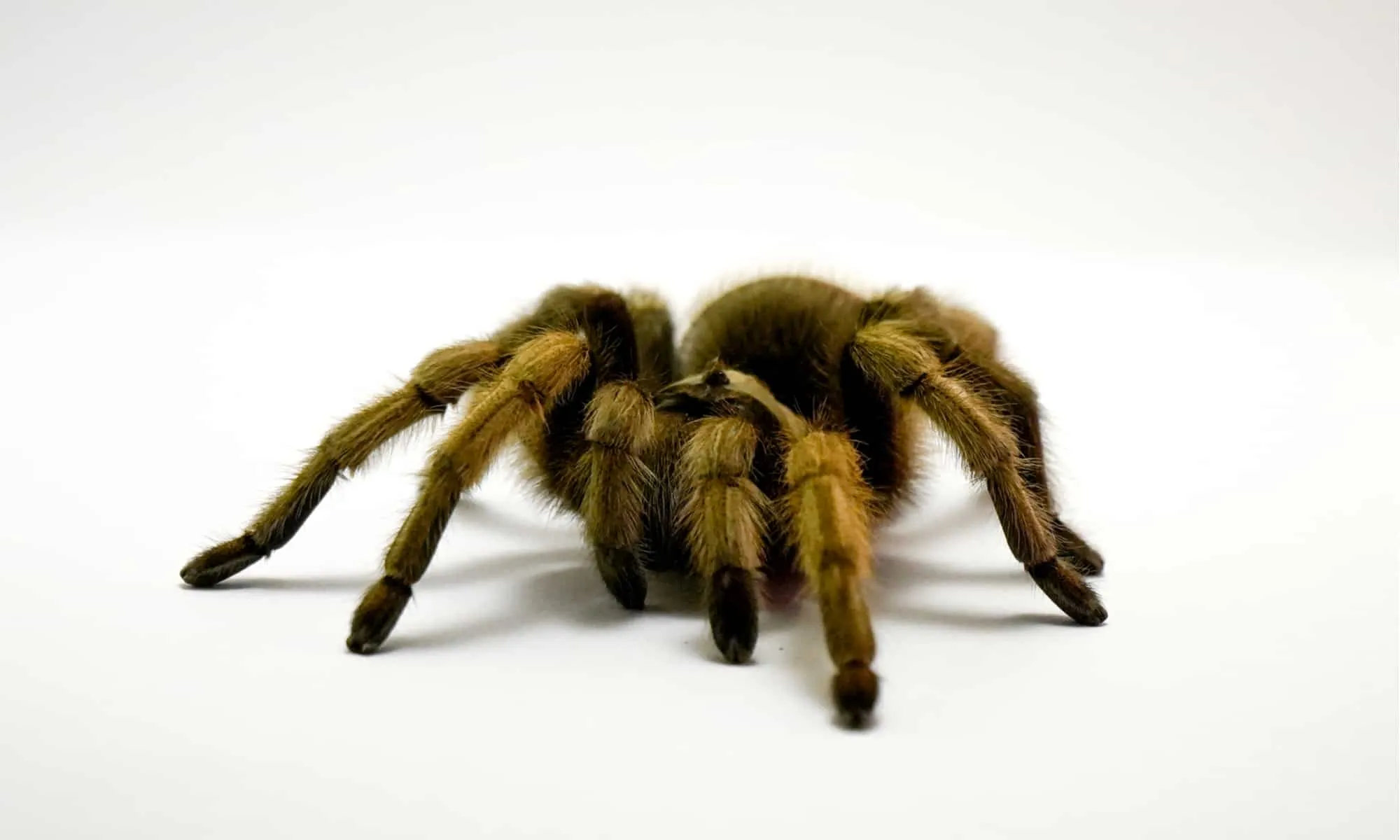
What Determines Tarantula Lifespan
Understanding the average lifespan of a tarantula involves considering multiple factors. These fascinating creatures, often kept as pets, exhibit a wide range in longevity depending on various elements. From their genetic makeup and species to the environment they live in, the lifespan of a tarantula is a complex interplay of biological and environmental influences. Knowing these factors can help enthusiasts provide the best possible care and appreciate the unique life cycle of these arachnids. Whether you’re a seasoned tarantula owner or just curious about these eight-legged wonders, exploring these determinants is key to understanding their longevity and ensuring their well-being. The average lifespan, however, is a rough estimate, and individual tarantulas can live significantly longer or shorter lives based on these conditions.
Species Differences
Different tarantula species have vastly different lifespans. Some, like certain dwarf species, might only live for a few years, while others can live for decades. This variation is primarily due to their genetics and evolutionary adaptations. Species that have evolved in harsher environments or have slower metabolisms tend to live longer. For instance, larger tarantula species often exhibit longer lifespans than their smaller counterparts. Furthermore, the specific adaptations of a species to its natural habitat—such as its diet, predator avoidance strategies, and reproductive behaviors—can influence its longevity. Understanding these species-specific differences is crucial for any aspiring tarantula owner, as it impacts the type of care and habitat they will need.
Popular Pet Tarantula Species and Lifespans

Several tarantula species are popular choices for pet owners, each with its own average lifespan. The Chilean Rose Hair tarantula (Grammostola rosea), for example, is known for its relatively long lifespan, often living 15-20 years for females. The Mexican Red Knee tarantula (Brachypelma hamorii), another popular species, can live for up to 25 years in ideal conditions. Conversely, some of the smaller, more delicate species may only live for around 5-10 years. It is crucial to research the specific species you are interested in before acquiring a tarantula to understand its expected lifespan and care requirements. This will help ensure that you can provide the appropriate environment and commitment needed for a long and healthy life for your pet. The size and temperament of the tarantula can also influence the species of choice.
Male vs Female Tarantulas
One of the most significant factors influencing tarantula lifespan is the sex of the spider. In general, female tarantulas live much longer than males. This is because males mature faster and their primary role is to mate, often leading to a shorter lifespan. After mating, males often die within a few months to a year. Females, on the other hand, can live for several years or even decades. This disparity in lifespan is a natural consequence of their biological roles. Females invest heavily in reproduction, laying eggs and caring for their offspring, which contributes to their longevity. Understanding this sexual dimorphism is crucial when considering a tarantula as a pet, as it impacts the duration of the commitment involved.
The Impact of Molting
Molting, the process by which a tarantula sheds its exoskeleton to grow, is a crucial aspect of its life cycle, but it also plays a role in lifespan. The frequency of molting decreases as the tarantula ages. Younger tarantulas molt more frequently, sometimes several times a year, while older ones may only molt once a year or even less. Each molt is a vulnerable period for the tarantula, as it is soft-bodied and defenseless. While molting is essential for growth and health, it can also be a stressful process. Factors such as the tarantula’s health, environment, and diet can affect the success and frequency of molting. The impact of molting on longevity is indirect but significant, as a successful molting cycle indicates a healthy and well-cared-for tarantula.
Factors Affecting Longevity

Beyond species and sex, several environmental factors directly influence a tarantula’s lifespan. The quality of care provided by the owner plays a critical role in determining how long a tarantula will live. This includes everything from diet and habitat conditions to preventative health measures. A well-cared-for tarantula in captivity can often live longer than its wild counterparts due to the absence of predators, consistent food availability, and controlled environmental conditions. Conversely, poor care, improper housing, and inadequate nutrition can significantly shorten a tarantula’s life. Understanding these factors is paramount to providing the best possible environment for your tarantula pet.
Diet and Nutrition
A balanced and appropriate diet is fundamental to a tarantula’s longevity. Tarantulas are primarily insectivores, and their diet should consist of a variety of insects, such as crickets, roaches, and mealworms. The nutritional content of these insects is crucial; providing insects that are gut-loaded (fed nutritious food before being given to the tarantula) ensures that the spider receives essential vitamins and minerals. Overfeeding can be as detrimental as underfeeding. Overweight tarantulas are prone to health issues, while those that are underfed may suffer from malnutrition. The diet should be tailored to the tarantula’s species and age, with juveniles requiring more frequent feeding than adults. Fresh water should be available at all times for hydration.
Habitat and Enclosure
The habitat, or enclosure, is another critical factor that influences a tarantula’s lifespan. The enclosure should be the right size for the species, with adequate space for the tarantula to move around and thrive. Substrate, the material at the bottom of the enclosure, should be appropriate for the species, providing a comfortable environment and allowing the tarantula to burrow if it is a burrowing species. The enclosure should be well-ventilated to prevent the build-up of humidity and mold, which can be detrimental to the tarantula’s health. Cleanliness is paramount; the enclosure should be cleaned regularly to remove uneaten food and waste. Providing appropriate hiding places, such as cork bark or artificial plants, can reduce stress and promote a longer lifespan.
Temperature and Humidity

Maintaining the correct temperature and humidity levels within the enclosure is vital for a tarantula’s health and longevity. Each species has specific temperature and humidity requirements, and it is crucial to research these before acquiring a tarantula. Too much or too little humidity can lead to respiratory issues and molting problems, while incorrect temperatures can affect the tarantula’s metabolism and overall health. Using a thermometer and hygrometer to monitor the environment, and adjusting heating and ventilation systems accordingly, is essential. Consistent and stable environmental conditions are conducive to a longer lifespan and a healthier tarantula. The ideal temperature and humidity also depends on the geographical origin of the species.
Common Health Issues
Tarantulas, like all living creatures, are susceptible to certain health issues. Some common problems include parasites, fungal infections, and physical injuries. Regular inspection of your tarantula for any signs of illness, such as lethargy, loss of appetite, or unusual behaviors, is essential. Preventing health issues is often the best approach. This includes maintaining a clean enclosure, providing a balanced diet, and controlling the environmental conditions. If a tarantula becomes ill, consulting with a veterinarian experienced in exotic animals is crucial for proper diagnosis and treatment. Early detection and intervention are key to ensuring a long and healthy life for your pet. Knowing the signs of a sick tarantula is an important part of preventative care.
Top 5 Surprising Facts about Tarantula Lifespan
Fact 1 Sexually Dimorphic Lifespans

As previously noted, the vast difference in lifespan between male and female tarantulas is one of the most surprising facts. Females can live for decades, while males often live for just a few years after reaching maturity. This stark contrast highlights the biological and reproductive pressures affecting each sex. This difference is not common in other species. It is fascinating to see this in arachnids.
Fact 2 Growth and Molting
The number of molts a tarantula experiences throughout its life is a significant factor in its longevity. The molting process, while vital for growth, also poses risks. Each time a tarantula molts, it is vulnerable to injury and stress. The frequency of molting slows down as the tarantula ages, which, in part, contributes to its extended lifespan. The more molts, the shorter the life.
Fact 3 Environmental Influence
The environment plays a pivotal role in tarantula longevity. Captive tarantulas, provided with ideal conditions, often live longer than their wild counterparts. This is due to the absence of predators, consistent food availability, and controlled temperature and humidity. The ability to create and maintain the perfect habitat can dramatically extend a tarantula’s life. Understanding the impact of environment is something that every pet owner should take into account.
Fact 4 Captivity vs Wild

As mentioned, captivity, when properly managed, often extends a tarantula’s lifespan. Wild tarantulas face numerous challenges, including predators, inconsistent food sources, and harsh weather conditions. In contrast, captive tarantulas benefit from a controlled environment, providing them with the best possible chance for a long and healthy life. This is a surprising fact for those who are not familiar with tarantulas and their care.
Fact 5 Size and Species Correlation
The size of a tarantula often correlates with its lifespan. Larger species typically live longer than smaller ones. This is due to slower metabolisms and other physiological differences. Although not a hard and fast rule, it’s a common trend observed across various tarantula species. Giant tarantulas usually tend to live much longer than other species. The lifespan of a tarantula is, therefore, often influenced by size.
How to Care for a Long-Lived Tarantula
Providing the right care is essential to maximizing a tarantula’s lifespan. This involves understanding their specific needs and creating an environment that supports their health and well-being. Proper care doesn’t just extend their lives; it also enhances their quality of life, allowing them to thrive and exhibit their natural behaviors. By focusing on the key aspects of care—habitat, diet, and health—you can ensure your tarantula lives a long and fulfilling life.
Creating the Ideal Habitat

The tarantula’s habitat is a cornerstone of its longevity. The enclosure should be properly sized for the species and offer appropriate substrate and hiding places. Temperature and humidity levels must be carefully maintained within the species’ ideal range. Regular cleaning is essential to prevent the buildup of bacteria and mold, which can harm the tarantula. The enclosure should be designed to minimize stress and provide a safe, comfortable environment. Always research the specific needs of your tarantula species to create the perfect habitat.
Feeding and Hydration
A balanced diet and access to fresh water are vital for a long life. Feed your tarantula a variety of gut-loaded insects to ensure it receives all the necessary nutrients. Avoid overfeeding, as obesity can lead to health problems. Provide a shallow dish of fresh water at all times, ensuring it is easily accessible and doesn’t pose a drowning hazard. Regular feeding and proper hydration are crucial to supporting your tarantula’s health. The diet should be adjusted based on the tarantula’s age and size, with juveniles requiring more frequent feeding than adults.
Regular Health Checks
Regular health checks are important to ensure your tarantula stays in top condition. These include observing your tarantula’s behavior for signs of illness, such as lethargy, loss of appetite, or unusual posture. Inspect the tarantula for any physical abnormalities, such as injuries or parasites. If you notice any concerns, consult with a veterinarian experienced in exotic animals. Early detection and intervention are key to addressing health issues effectively. Proactive health management contributes significantly to a longer lifespan.