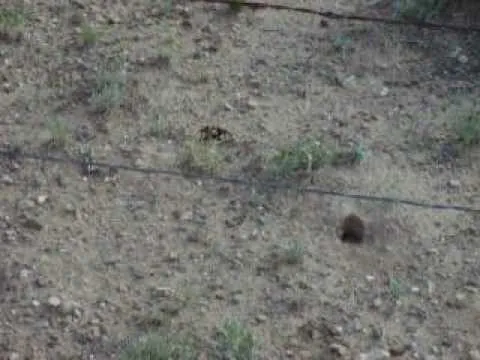
Colorado’s natural landscapes come alive with many unique events, but few are as fascinating as the annual tarantula migration. This incredible phenomenon, which occurs every fall, draws nature enthusiasts and photographers from all over to witness the mass movement of these large, hairy spiders. The sight of thousands of tarantulas, primarily the Oklahoma Brown Tarantula, trekking across the landscape is truly awe-inspiring. This guide dives into the top five facts about this amazing event, helping you understand and appreciate the intricacies of tarantula migration in Colorado. Get ready to explore the behavior of these amazing creatures and the best spots to witness this remarkable spectacle!
What is the Tarantula Migration in Colorado
The tarantula migration in Colorado is an annual event where thousands of male tarantulas venture out in search of mates. This migration usually takes place in the fall, typically from late September to mid-October, and is a critical part of their reproductive cycle. These spiders, known for their large size and hairy appearance, emerge from their burrows and begin their journey. Their primary goal is to find a female tarantula, often signaled by pheromones, and complete the mating process. The sight of these arachnids on the move is a testament to the natural world’s incredible mechanisms and the instinct to survive. The migration is not just a biological event but also an amazing display of nature’s grandeur.
The Timing of the Tarantula Migration
When Does it Happen

The tarantula migration in Colorado usually begins in late September and extends through mid-October. The exact timing depends on weather conditions, with warmer temperatures often triggering the start of the migration. The best time to witness this event is often during the late afternoon and early evening when the spiders are most active. Keep an eye on weather forecasts, as warm, sunny days followed by cooler nights tend to be ideal conditions for the tarantulas to begin their journey. Peak migration periods can vary slightly each year, so it’s best to stay updated on local reports and wildlife sightings.
Factors Influencing Migration
Several factors influence the tarantula migration’s timing and intensity. Temperature is a primary driver, with warmer temperatures encouraging the spiders to emerge from their burrows. Humidity levels and recent rainfall can also play a role, as the moisture in the air can make the ground more manageable for the tarantulas to traverse. Additionally, the availability of potential mates, often indicated by pheromones released by female tarantulas, can influence the males’ movement patterns. The combination of these environmental cues creates the conditions for the mass migration event, making it a complex interplay of biological and environmental factors. These factors significantly shape the phenomenon each year.
Where to Witness the Migration
Best Locations for Viewing

Prime viewing locations for the tarantula migration in Colorado are often in the southeastern part of the state. Areas around the Comanche National Grassland, near towns like La Junta and Las Animas, are particularly popular. These locations offer expansive grasslands and suitable habitats that support large tarantula populations. Additionally, some local parks and wildlife preserves in this region provide excellent viewing opportunities. Researching specific trails and access points can improve the chances of seeing the migration up close. Remember to respect the environment and follow any guidelines set by local authorities.
Tips for Safe Viewing
Viewing the tarantula migration can be an exciting experience, but it’s essential to prioritize safety. Wear sturdy shoes and long pants to protect against potential bites and other hazards. Carry a flashlight, especially if you’re viewing in the evening, and be aware of your surroundings. Maintain a safe distance from the tarantulas, and avoid handling them, as they can bite if they feel threatened. It’s also good practice to watch from trails or open areas. Do not disturb the natural habitat or try to relocate the spiders. By taking these precautions, you can enjoy the experience without putting yourself or the tarantulas at risk.
Amazing Facts About Colorado Tarantulas
Fact 1 Their Size and Appearance

Colorado tarantulas, primarily Oklahoma Brown Tarantulas, are impressive in size, with a leg span that can reach up to five inches. These spiders are covered in fine hairs, with colors ranging from dark brown to reddish-brown. Their large size and striking appearance make them easily recognizable. The males are typically larger and more vibrant in color than the females, especially during the mating season. The tarantulas also have two main body sections — the cephalothorax and the abdomen — with eight legs and multiple eyes. They are a remarkable sight to behold in their natural habitat.
Fact 2 The Purpose of the Migration
The primary purpose of the tarantula migration is reproduction. Male tarantulas emerge from their burrows in search of a mate. They follow pheromone trails left by female tarantulas, which signal their readiness to mate. The males travel long distances, often over several weeks, to find a suitable female. The migration is a crucial part of the tarantula’s life cycle, ensuring the continuation of their species. The males are driven by instinct, and this journey represents their only chance to reproduce before the winter sets in. This makes the migration a vital and compelling natural phenomenon.
Fact 3 The Tarantulas’ Diet
Tarantulas are primarily insectivores, meaning their diet mainly consists of insects. They feed on a variety of insects, including crickets, grasshoppers, beetles, and other small invertebrates. Juvenile tarantulas often eat smaller prey, while adults can consume larger insects. During the migration, tarantulas may not feed regularly, as their focus is on finding a mate. In their natural habitats, tarantulas are ambush predators, waiting patiently near their burrows for prey to come within reach. Their powerful fangs and venom help them subdue their meals, playing a significant role in the ecosystem.
Fact 4 The Mating Ritual

The mating ritual of tarantulas is fascinating and complex. When a male finds a female, he approaches cautiously and performs a series of courtship behaviors to signal his intentions. This often includes drumming or vibrating his legs on the ground to attract the female’s attention. If the female is receptive, the male will use special spurs on his legs to hold the female’s fangs away while he deposits his sperm. After mating, the male quickly retreats to avoid being eaten by the female. The female will then lay her eggs in a silk sac, which she guards until the spiderlings hatch. This entire process is a testament to the intricate survival strategies of these creatures.
Fact 5 The Duration of the Migration
The duration of the tarantula migration can vary, typically lasting several weeks, from late September to mid-October. The length of the migration depends on environmental factors, such as temperature, rainfall, and the availability of mates. The males will keep moving, driven by instinct, until they find a female. Some males might travel a few hundred yards, while others can traverse considerable distances. Once the mating is complete, the males often die shortly afterward. The migration is a relatively short but critical period in their life cycle, ensuring the propagation of the next generation.
The Impact of the Migration on the Ecosystem
The tarantula migration has a notable impact on the ecosystem. The influx of large numbers of tarantulas provides a temporary increase in food for predators, like birds and larger animals. These spiders also help control insect populations, contributing to the balance of the food web. Furthermore, the migration brings awareness about the natural world and encourages conservation efforts. The phenomenon also supports local tourism, creating economic opportunities for communities near the migration sites. Understanding the migration’s role allows us to appreciate the interconnectedness of nature and the importance of preserving the environment.
In conclusion, the tarantula migration in Colorado is a captivating natural event that offers an incredible opportunity to witness the beauty of the natural world. From the timing and location to the amazing facts about these spiders, the migration provides a unique glimpse into their behavior and lifecycle. By understanding the significance of this event and taking precautions to view it responsibly, we can preserve and appreciate this amazing natural phenomenon for generations to come. Plan a trip, learn the facts, and get ready to be amazed by the tarantula migration!