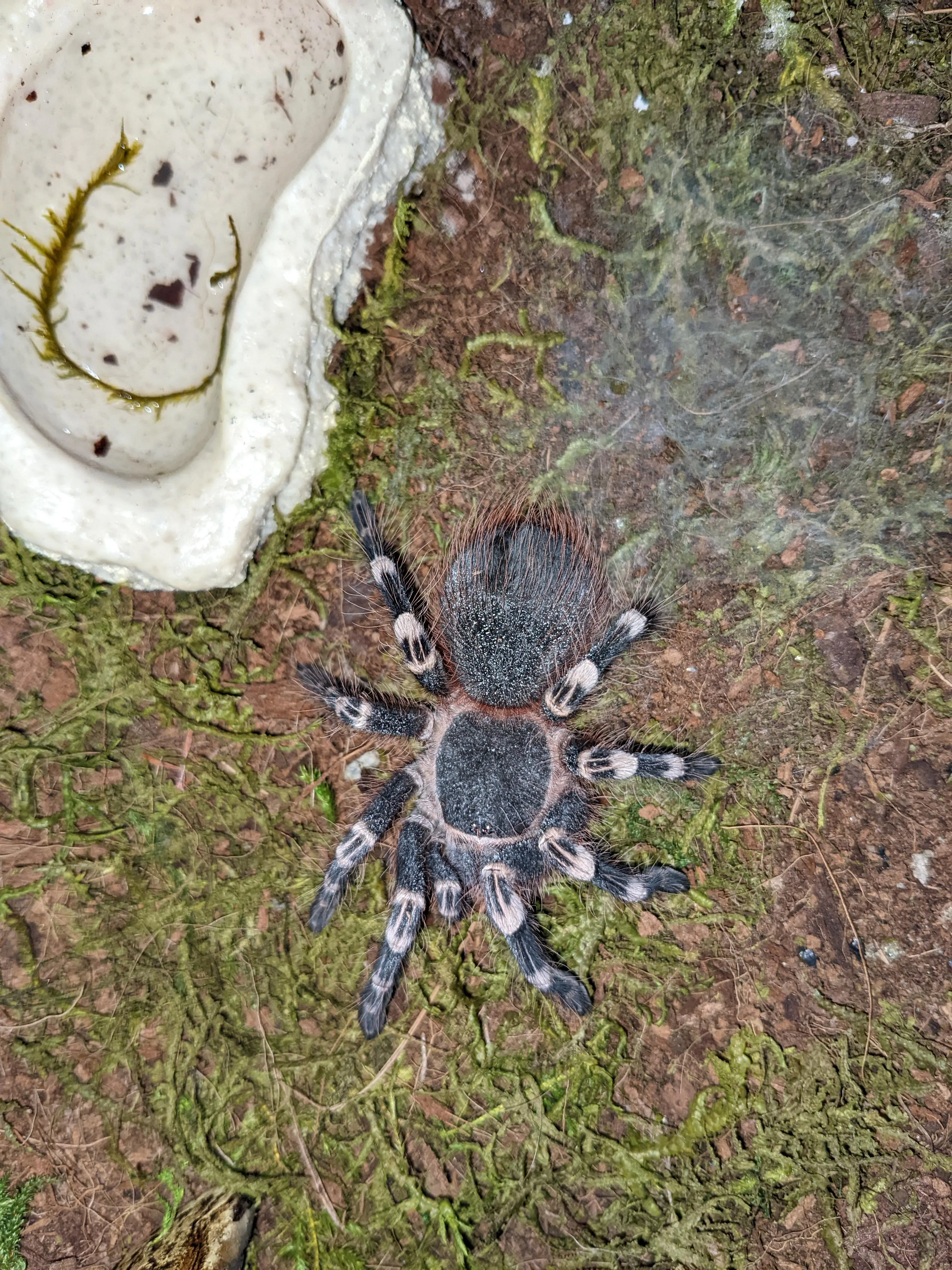
Understanding Tarantula Mites
Tarantula mites can be a significant problem for tarantula keepers, causing stress and potential health issues for these fascinating creatures. This guide offers a comprehensive look at identifying, eliminating, and preventing mite infestations in your tarantula tank. Understanding the life cycle, behavior, and impact of these tiny pests is the first step toward effective control and ensuring the well-being of your pet tarantula. Prevention is key, and with the right knowledge and practices, you can maintain a healthy and mite-free environment for your tarantula to thrive. This information will help you protect your tarantula from these unwanted guests, ensuring a happy and healthy life for your eight-legged friend. Proper care and awareness are crucial.
What are Tarantula Mites?
Tarantula mites are tiny arachnids that can infest tarantula enclosures, feeding on the tarantula itself or organic matter within the tank. They are often visible to the naked eye as small, moving dots, and can range in color from white to red or brown. These mites thrive in the warm, humid environment that tarantulas prefer, making their tanks an ideal breeding ground. While not all mites are harmful, certain species can cause considerable stress, irritation, and even transmit diseases. Identifying the type of mite is crucial for effective treatment. Understanding their behavior and life cycle helps in controlling their population and preventing future infestations, ensuring the health and happiness of your tarantula. Early detection and swift action are essential for successful mite eradication.
Common Types of Mites in Tarantula Tanks

Several types of mites can infest tarantula tanks, with some being more problematic than others. The most common are spider mites, which feed on the tarantula’s hemolymph (equivalent to blood), and substrate mites, which feed on decaying organic matter. Spider mites are the most concerning because they directly harm the tarantula. Substrate mites, while generally less harmful, can still indicate an unhealthy tank environment. Identifying the specific type of mite is essential for selecting the appropriate treatment method. Observing their behavior, feeding habits, and location within the tank can help in this identification process. This knowledge helps in preventing infestations and maintaining a safe and healthy environment for your tarantula. Proper identification will lead to better control and prevention strategies.
Identifying Mites in Your Tarantula Tank
Early detection of mites is crucial for preventing a full-blown infestation. Regularly inspect your tarantula and its enclosure for signs of these tiny pests. Look for small, moving dots on the tarantula’s body, particularly around the abdomen, legs, and mouthparts. Mites may also be visible on the substrate, enclosure walls, and any decorations. Use a magnifying glass to get a clearer view and differentiate mites from other tank inhabitants. Being proactive with inspections helps catch infestations early. This will minimize the impact on your tarantula. Early intervention makes treatment more manageable and less stressful for your pet. This practice should be a regular part of your tarantula care routine.
Visual Inspection of Your Tarantula and Enclosure
A thorough visual inspection is the cornerstone of mite detection. Carefully examine your tarantula for any unusual activity or the presence of small, crawling specks. Pay close attention to areas where mites are most likely to congregate, such as the joints of the legs, the book lungs, and the mouthparts. Inspect the substrate, looking for mites, especially in areas with high humidity or decaying food. Examine the enclosure’s walls, decorations, and any other items for signs of infestation. Regular visual inspections are essential and can help you catch the problem early. It is important to do it consistently to ensure your tarantula’s health and wellbeing. This is a critical step in mite control.
Behavioral Signs of Mite Infestation

Apart from visual signs, changes in your tarantula’s behavior can indicate a mite infestation. Look for increased irritability, such as frequent kicking of hairs or erratic movements. A tarantula might also exhibit a loss of appetite or spend more time hiding than usual. Examine any molted exoskeletons for mites, as they often harbor these pests. Unusual rubbing or scratching behavior against the enclosure walls can also be a sign of mites. Observe your tarantula’s eating habits and overall activity levels. These behavioral changes can give you additional warning. If your tarantula is exhibiting these signs, it is important to perform a thorough inspection immediately. Understanding your tarantula’s normal behavior is key to recognizing changes that might signal a mite problem.
Impact of Mites on Tarantulas
Mites can have a significant impact on the health and well-being of your tarantula. Infestations can cause irritation, leading to stress and discomfort for the spider. Mites that feed on the tarantula’s hemolymph can weaken the spider and make it more susceptible to other health issues. Heavy infestations can interfere with molting, a crucial process for growth. Furthermore, mites can transmit diseases or bacteria, which can lead to infections. All of these can make your tarantula sick and lethargic. It is important to take swift action to manage the problem. It is important to protect your tarantula’s health and quality of life.
Health Risks for Tarantulas Due to Mites
Beyond general discomfort, mites can pose serious health risks to tarantulas. Mites can transmit diseases or bacteria, which can lead to infections in the tarantula. They can cause open wounds that become infected, and they can lead to overall decline in the health of the tarantula. Heavy infestations can weaken the tarantula’s immune system, making it more vulnerable to other illnesses. The constant irritation can also lead to stress, which can suppress the immune system and exacerbate health problems. Preventative measures are key to maintaining the overall well-being of your tarantula and preventing these health issues. Regular monitoring and immediate treatment are critical.
Stress and Discomfort Caused by Mites

Mite infestations are a significant source of stress and discomfort for tarantulas. The constant presence of mites crawling on the tarantula’s body can be extremely irritating, leading to excessive grooming and agitated behavior. This stress can weaken the spider’s immune system, making it more vulnerable to diseases. The discomfort can also affect the tarantula’s feeding habits and overall activity levels. It can even affect the tarantula’s molting process. It’s very important to detect mites early to avoid a lot of issues. Managing stress is paramount for the health and well-being of your tarantula, and addressing a mite infestation is a crucial step in this process. The elimination of mites will reduce stress.
Effective Methods for Mite Elimination
Several methods can be used to eliminate mites from your tarantula’s tank. The best approach often involves a combination of techniques. Quarantine new tarantulas and items before introducing them into your existing setup. Thoroughly clean and disinfect the enclosure, removing all substrate and decorations. Consider using safe miticides specifically designed for reptiles and invertebrates, following the manufacturer’s instructions carefully. Natural remedies, such as diatomaceous earth (DE) applied sparingly, can also be effective. It is essential to select methods safe for your tarantula. Regular monitoring and prompt action will help you eradicate mites and maintain a healthy environment. Choose the most appropriate solutions based on the severity of the infestation and the specific needs of your tarantula.
Quarantine Procedures for New Tarantulas
Quarantining new tarantulas is a crucial step in preventing mite infestations. Upon acquiring a new tarantula, place it in a separate enclosure away from your existing collection. This isolation period allows you to monitor the new tarantula for any signs of mites or other health issues without risking contamination of your other pets. During quarantine, thoroughly inspect the tarantula and its enclosure for any signs of mites. If you notice any signs of mites, you can start a treatment plan before introducing them to the rest of your collection. Quarantine should last at least 30-60 days. This is a vital step to ensure the health and well-being of your entire collection. Quarantine prevents mites from spreading.
Cleaning and Disinfecting the Enclosure

Thoroughly cleaning and disinfecting the tarantula’s enclosure is a critical step in eliminating mites. Remove the tarantula from the enclosure, placing it in a temporary, clean container. Dispose of the old substrate and thoroughly clean all decorations and the enclosure itself with warm, soapy water. Rinse everything thoroughly and allow it to dry completely. For disinfection, use a reptile-safe disinfectant. Avoid harsh chemicals. After disinfection, reassemble the enclosure with fresh, clean substrate and decorations. Then return your tarantula to its clean environment. Ensure all items are cleaned and disinfected. This helps eliminate any mites and prevent re-infestation.
Safe and Effective Miticides for Tarantulas
If the infestation is severe, you may need to consider using a miticide. Select products specifically formulated for use with reptiles and invertebrates to ensure safety. Always follow the manufacturer’s instructions carefully, as incorrect use can harm your tarantula. Research the product, understanding its active ingredients and potential side effects. Apply the miticide to the enclosure and decorations, and allow them to dry completely before reintroducing your tarantula. Monitor your tarantula closely for any adverse reactions. Do not use miticides unless necessary. Always prioritize the safety of your tarantula. Consult with a veterinarian experienced in reptile care before using miticides.
Natural Remedies for Mite Control
Several natural remedies can help control mites in your tarantula tank. Diatomaceous earth (DE), a fine powder made from fossilized diatoms, can be effective against mites by dehydrating them. Use DE sparingly, and only on the substrate, avoiding direct contact with the tarantula. Increase the ventilation in the enclosure, as mites thrive in humid environments. Introduce beneficial insects, such as predatory mites, which feed on other mites. Ensure the tank is well-ventilated. This will also help you control moisture levels. Choose natural methods that are safe for your tarantula. Natural remedies can be effective in controlling infestations.
Preventing Mite Infestations

Prevention is the best strategy for managing mites in your tarantula tank. Always quarantine new tarantulas and items before introducing them into your collection. Maintain a clean and healthy environment with regular cleaning and substrate replacement. Avoid overfeeding your tarantula, as uneaten food can attract mites. Regularly monitor your tarantula and its enclosure for signs of mites. Reduce humidity levels if mites are a problem. By practicing these preventative measures, you can minimize the risk of a mite infestation and keep your tarantula healthy. Prevention is better than cure.
Maintaining a Clean and Healthy Tank Environment
Maintaining a clean and healthy tank environment is essential for preventing mite infestations. Regularly remove uneaten food and waste. Keep the substrate clean, and replace it regularly. Ensure proper ventilation to prevent excessive humidity. Keep the enclosure clean and tidy. Prevent moisture buildup. Ensure proper hygiene. A well-maintained tank provides an environment where mites are less likely to thrive, and your tarantula can flourish. Make regular tank maintenance a priority, and your tarantula will thank you with a happy and healthy life. This will support the overall health and well-being of your pet.
Regular Cleaning and Substrate Replacement
Regular cleaning and substrate replacement are critical aspects of tarantula care and mite prevention. Remove any uneaten food, molts, and waste from the enclosure weekly. Replace the substrate every few months, or more frequently if necessary, depending on the type of substrate and the tarantula’s habits. Avoid using substrates that retain excessive moisture, as this can promote mite growth. When replacing the substrate, thoroughly clean and disinfect the enclosure. Regular cleaning and substrate replacement are essential for preventing mite infestations. These actions help eliminate potential breeding grounds for mites. This will also create a healthier environment for your tarantula. Make regular cleaning a consistent part of your routine.
Quarantine of New Additions to Prevent Mite Introduction

Quarantining all new tarantulas or any items added to your collection is paramount for preventing mite introduction. Quarantine new tarantulas and any new decor. Place them in a separate enclosure for a minimum of 30-60 days. During this period, regularly inspect for mites or other parasites. This isolation period allows you to observe the new additions without risking contamination of your established collection. Thoroughly inspect the new tarantula and enclosure for signs of mites. This is a vital preventive measure that helps safeguard the health of your entire collection. Be diligent and quarantine any new additions.