What is Tarantula Molting
Tarantula molting is a natural and essential process for these fascinating arachnids. It’s how they grow, shed old exoskeletons, and replace lost limbs. This guide will provide you with all the information you need to understand and care for your tarantula during this critical period. Understanding tarantula molting behavior is essential for every tarantula owner. It’s a sign of a healthy spider and a testament to the life cycle of these creatures. Properly supporting your tarantula during its molt can significantly improve the odds of a successful and safe experience. This means providing the right environment and refraining from disturbing the animal during this vulnerable time.
The Molting Process
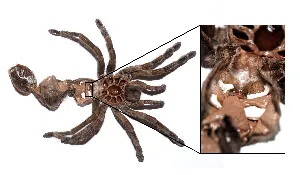
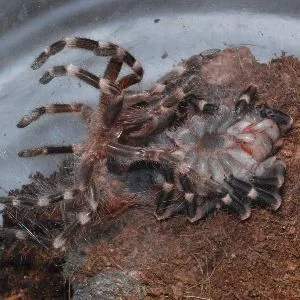
Molting is the process where a tarantula sheds its exoskeleton to grow. This complex process begins with the formation of a new, soft exoskeleton beneath the old one. As the new exoskeleton matures, the tarantula becomes increasingly lethargic. The spider will then flip onto its back, and with a series of muscular contractions, it will slowly push its way out of the old exoskeleton. This leaves behind the discarded shell, which is a perfect replica of the tarantula, and the new, larger spider. After molting, the tarantula is vulnerable because its new exoskeleton is soft and needs time to harden. It is important to understand this and keep your spider safe.
Premolt Signs
Recognizing the signs of premolt is crucial for responsible tarantula care. Several indicators will alert you that your tarantula is preparing to molt. Identifying these signs helps you prepare the enclosure and provide optimal conditions. This preparation is key to ensuring a smooth and safe molting experience. Paying attention to these cues will allow you to support your tarantula effectively during this vulnerable period and minimize stress for the spider.
Color Changes
One of the most noticeable signs of premolt is color change. The tarantula’s carapace (the top shell of the cephalothorax) may darken or appear dull. The abdomen may also darken significantly, or the hairs may appear to be lying flat. These color changes are due to the formation of a new exoskeleton underneath the old one. The degree of color change can vary depending on the species and the individual spider, but it’s almost always an indicator that a molt is coming soon. It’s important to remember that these changes are a normal part of the process, and there is no need to worry.
Abdomen Appearance
The abdomen’s appearance often changes during premolt. As the new exoskeleton forms, the abdomen may appear plump or swollen. This is because the tarantula is preparing to expand its size when it molts. Additionally, the hairs on the abdomen may look thinner or darker. Keep an eye on this change, as it is one of the most obvious indicators of a forthcoming molt. Remember that a healthy abdomen is a good sign.
Refusal of Food
A significant sign that your tarantula is about to molt is the refusal of food. Tarantulas will typically stop eating weeks or even months before molting. This loss of appetite is a natural part of the premolt process. If your tarantula consistently refuses food, despite offering live prey, it’s likely in premolt. Do not force-feed your tarantula, as this can stress it out. Instead, monitor your tarantula and watch for other signs, such as color changes and abdomen appearance, to confirm whether it is indeed in premolt.
Molting
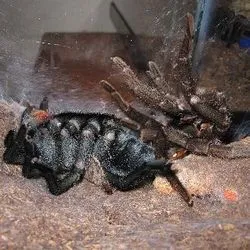
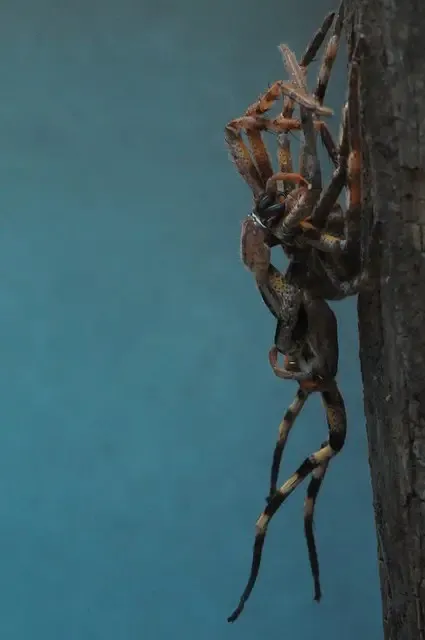
During the molt, tarantulas typically flip onto their backs, and the old exoskeleton splits open. The spider then slowly wriggles free, emerging with its new, larger body. This process can take anywhere from a few minutes to several hours, depending on the size and the species. It’s essential to avoid disturbing the tarantula during this time, as any stress can interfere with the molting process. Ensure that the enclosure is calm and free from vibrations. Once the molt is complete, the tarantula will remain in a vulnerable state for a period.
Post-Molting
After molting, the tarantula’s new exoskeleton is soft and vulnerable. The spider will remain in a resting position, allowing its new body to harden. This process can take several days or even weeks, depending on the tarantula’s size and the humidity levels in the enclosure. Avoid handling the tarantula during this period, as it could easily injure itself. Provide a fresh water source and maintain the proper humidity levels. It’s best to leave the tarantula undisturbed to help it recover.
The Importance of Humidity

Humidity plays a critical role in successful tarantula molting. Proper humidity levels are necessary for the tarantula to shed its old exoskeleton effectively. The correct level of humidity ensures the old exoskeleton does not dry out and that the new exoskeleton can form and harden properly. Without adequate humidity, tarantulas can experience difficulties molting, potentially leading to serious health issues. Understanding and maintaining the right humidity level is thus essential for the well-being of your tarantula. Monitor humidity closely, especially during premolt and post-molt periods.
Maintaining Proper Humidity Levels
Maintaining the right humidity levels is key. To achieve this, you can mist the enclosure with water. The frequency of misting depends on your tarantula’s species and the ambient conditions. Use a hygrometer to monitor humidity levels. You can also provide a water dish, and ensure the substrate is slightly moist. The substrate type also contributes to humidity; materials like coco fiber or peat moss are excellent for retaining moisture. Make sure to provide sufficient ventilation to prevent mold or fungus growth.
Consequences of Low Humidity
Low humidity can cause severe problems during molting. If the air is too dry, the old exoskeleton may dry out before the tarantula can fully shed it, leading to a failed molt. Failed molts can be life-threatening, sometimes resulting in the tarantula being trapped inside its old skin. Signs of this issue include stuck legs and deformities. Prolonged low humidity can also lead to dehydration and other health complications. Therefore, it’s crucial to maintain proper humidity. Regularly check the humidity levels within the enclosure, and adjust your maintenance practices as required.
Enclosure Preparation

Preparing the enclosure is vital for a safe molting experience. Make sure the enclosure is free from potential hazards, such as sharp objects or anything the tarantula could get stuck on. Ensure the enclosure has a suitable substrate, which provides the right level of humidity. During premolt, it’s also a good idea to reduce any disturbances. This means avoiding handling the tarantula, reducing vibrations around the enclosure, and ensuring a quiet environment. Preparing the enclosure ahead of time makes sure that the environment is just right when your tarantula begins its molting process.
Removing Old Molt
Once the tarantula has completely hardened after molting, you can remove the old exoskeleton. You can do this by gently picking it up with tongs. Be careful not to disturb the tarantula or the new exoskeleton. Dispose of the old molt properly. Regularly cleaning up the enclosure helps to maintain a healthy environment for your tarantula. You can use this opportunity to clean the enclosure, replace the substrate, and provide fresh water. Keeping the enclosure clean is an important part of tarantula care.
Providing Fresh Water
Always ensure your tarantula has access to fresh, clean water. A shallow water dish is best to prevent drowning. Refill the water dish regularly. During premolt and post-molt, tarantulas may require extra hydration. Ensure water is always available. Proper hydration is essential for the health of the spider. Clean water can help the tarantula’s recovery. It helps them stay hydrated during the molting process and after their new exoskeleton has hardened.
Feeding After Molting
Feeding your tarantula after a successful molt is an important part of its care. As the new exoskeleton hardens, your tarantula will be eager to eat. However, there are certain factors to consider. Providing the right food at the right time will ensure the spider is well-nourished without causing stress. Overfeeding should be avoided. Careful consideration to feeding will contribute to your tarantula’s well-being.
The Right Time to Feed
Wait until the tarantula’s new exoskeleton has completely hardened before offering food. This can take anywhere from a few days to a week or two, depending on the species and the environmental conditions. The exoskeleton should be firm. If you gently touch the tarantula’s fangs or legs, they should feel firm, not soft. Start with smaller prey items and observe how your tarantula eats. Ensure the tarantula can easily catch and consume the prey. Do not overfeed; offering a meal every few days is generally sufficient.
Possible Issues After Molting
While molting is a natural process, complications can arise. Being aware of the signs of a potential problem can help you provide the necessary care and get professional help if required. If you detect any of the following issues, take immediate action. Monitor your tarantula closely after molting. If you see any warning signs, it’s important to act quickly. Some common problems include leg cramps, lethargy, and injuries sustained during molting. Keep an eye on your tarantula during this sensitive time.
Leg Cramps
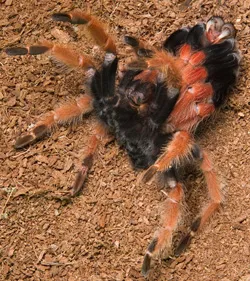
Leg cramps can occur after molting. This happens when the tarantula’s legs curl up tightly. This is often due to dehydration or stress. Ensure your tarantula has adequate access to water, and maintain the proper humidity levels. If the cramps are severe or persistent, contact an expert. Sometimes, the legs may not return to normal. If this is the case, you may need to assist your tarantula.
Lethargy
Lethargy, or unusual sluggishness, is another potential issue. This could indicate that the tarantula is having trouble with its new exoskeleton. It may also be a sign of illness or stress. If your tarantula is unusually inactive and unresponsive, monitor the spider closely. Make sure its enclosure is at the correct temperature and humidity. If the lethargy persists for more than a few days, seek advice from a veterinarian. Quick intervention can prevent serious health issues.
When to Seek Veterinary Advice
If you notice any severe issues, it’s crucial to seek professional veterinary advice. Signs that indicate the need for veterinary care include persistent leg cramps, failure to molt, difficulty shedding, open wounds, or any unusual behavior. Exotic animal veterinarians are equipped to diagnose and treat health problems in tarantulas. Early intervention can significantly improve your tarantula’s chances of recovery. Do not hesitate to seek professional help if you have any concerns. Your tarantula’s health depends on it.
In conclusion, understanding tarantula molting behavior is essential for responsible tarantula ownership. By following the guidelines in this guide, you can provide the best possible care for your tarantula during this critical period. Always monitor your tarantula closely, maintain the right environment, and seek expert advice if necessary. This guide aims to equip you with the information necessary to support your tarantula’s molting process, ensuring its health and well-being. Happy spider keeping!