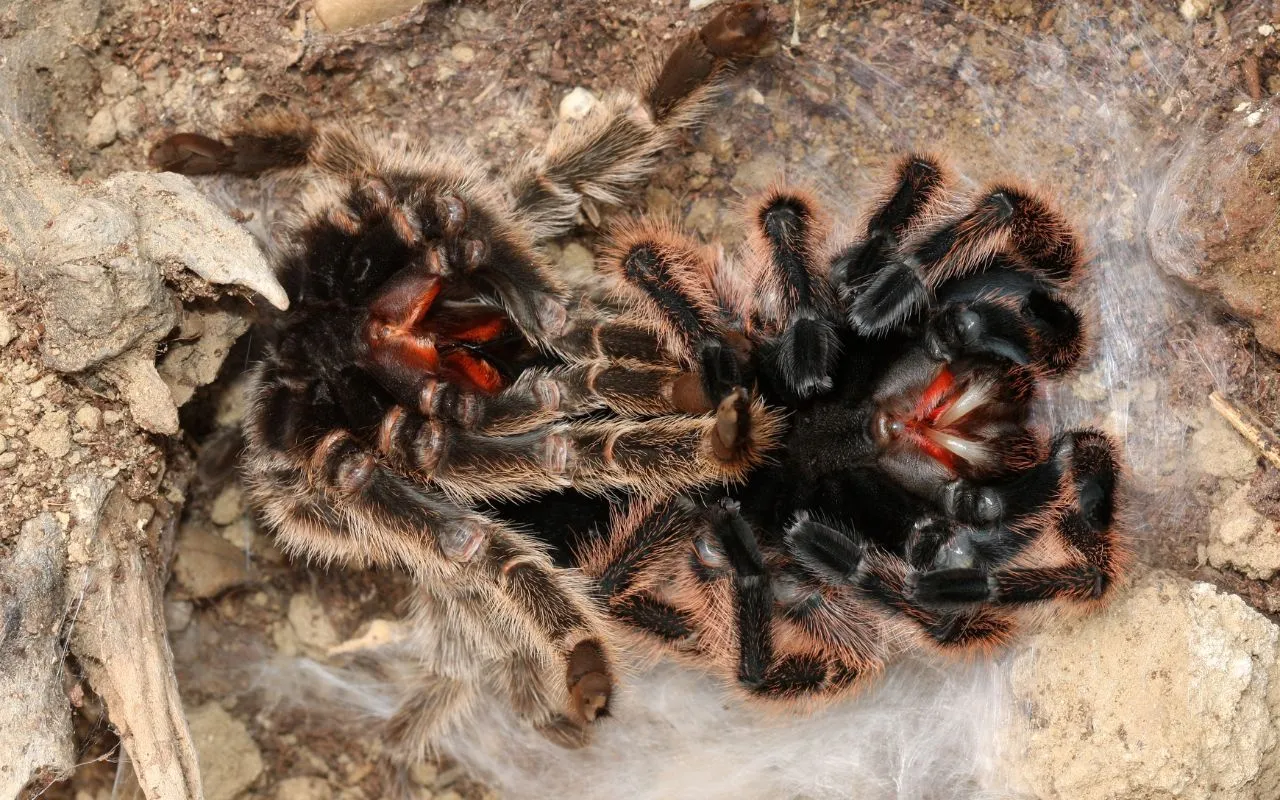
What is Tarantula Molting Upright?
Tarantulas, like all arthropods, possess an exoskeleton that doesn’t grow. To accommodate growth, they must periodically shed this outer layer through a process called molting. The tarantula molting upright process is a fascinating and critical part of a tarantula’s life cycle. While most people are familiar with the traditional molting position (on their backs), tarantulas can also molt upright, which can be a cause for concern if you’re not familiar with the process. Understanding tarantula molting upright is key to being a responsible tarantula owner and ensuring your pet’s health and well-being. It is essential to know what to expect and how to support your tarantula during this vulnerable time, whether it is molting in the more common upside-down position or the less frequently seen upright position.
The Molting Process
Molting is a complex physiological process. It begins internally as a new, larger exoskeleton is formed beneath the old one. Enzymes are released to digest the old exoskeleton, and the tarantula absorbs some of the old material to recycle it. The tarantula then swells its body with hemolymph (blood) to rupture the old exoskeleton. The process takes time, and the tarantula is extremely vulnerable during the shedding and hardening phase. The old exoskeleton splits open, and the tarantula slowly crawls out, leaving behind the old shell. The new exoskeleton is initially soft and pliable, gradually hardening over several days or even weeks, depending on the species and size of the tarantula. It is a very energy-intensive process that the tarantula will need a lot of rest and time for.
Why Do Tarantulas Molt?

The primary reason for molting is growth. Tarantulas, like all arthropods, have a rigid exoskeleton that doesn’t expand. As they grow, they must shed this outer layer to accommodate their increasing size. Molting also allows tarantulas to replace lost limbs, repair damage, and get rid of parasites. The process also rejuvenates the tarantula’s internal structures and allows for the replacement of linings in the respiratory system and gut. The frequency of molting decreases as a tarantula ages, with juveniles molting much more often than adults. This is because the growth rate is faster in young tarantulas.
Understanding the Upright Molt
The upright molt is less common than the typical upside-down molt, but it’s still a natural process. In the upright position, the tarantula often anchors itself to the enclosure walls, substrate, or other objects to help with the shedding. This position can be particularly challenging for the tarantula as gravity doesn’t always assist in the process. The reason for the upright molt is not always clear but may be related to the species, the environment of the enclosure, or the individual tarantula’s preference. Witnessing your tarantula molting upright can be a cause for worry for inexperienced owners, but it is important to understand that it is a natural process. The key is to provide a safe and stable environment and avoid any disturbance during this critical period.
Top 5 Facts About Tarantula Molting Upright
Fact 1 A Vulnerable Time

During the molting process, whether upright or upside-down, a tarantula is exceptionally vulnerable. The new exoskeleton is soft and offers little protection from predators or injury. The tarantula is also unable to move quickly or defend itself effectively. This is why it’s crucial to maintain a secure and undisturbed environment during molting. Avoid any sudden movements, vibrations, or loud noises near the enclosure. Make sure your tarantula has a safe space to molt, free from potential hazards. Also, be aware of other pets or children that might accidentally disturb the tarantula during this critical time. The tarantula is very fragile and easy to injure during the molt.
Fact 2 The Exoskeleton Shedding
The actual shedding of the old exoskeleton is a remarkable feat of nature. The tarantula uses internal pressure and muscle contractions to split the old exoskeleton, usually along the carapace (the top shell of the cephalothorax). The tarantula then slowly pulls itself out of the old skin, a process that can take several hours or even a full day. The discarded exoskeleton is a complete cast of the tarantula, including its fangs, eye lenses, and even the linings of its digestive and respiratory systems. After the molt, you may be able to identify the sex of your tarantula by examining the shed exoskeleton. This is because the presence or absence of spermathecae (sperm storage organs) on the underside of the exoskeleton indicates the sex of the tarantula.
Fact 3 The Upside-Down Myth
While the upside-down molting position is very common, it’s not the only way tarantulas molt. The upright molt, although less frequent, is a natural behavior. The myth that all tarantulas must molt upside-down isn’t entirely accurate. Tarantulas often choose the molting position that is most comfortable or effective for them. Sometimes, the specific position may depend on the environment and the specific species. Also, the upright molt doesn’t necessarily indicate a health problem. It’s essential to observe your tarantula’s behavior and environment, but don’t panic if you see an upright molt; it could just be the tarantula’s preference.
Fact 4 Regrowth and Healing

Molting isn’t just about growth; it’s also a time for repair and regeneration. Tarantulas can regrow lost limbs during molting. This is one of the remarkable things about these creatures. If a tarantula loses a leg, it will often regenerate a new one during the next molt. The new limb will be smaller and less developed initially, but it will gradually grow larger with subsequent molts. Additionally, molting allows the tarantula to heal from minor injuries and shed parasites. The new exoskeleton is free of any previous damage, making the tarantula stronger and healthier after the molt. This renewal is crucial for the tarantula’s survival in the wild.
Fact 5 Post-Molt Care
After the molt, the tarantula’s new exoskeleton needs time to harden. It’s best to wait a week or two before offering food to allow the fangs and other mouthparts to harden completely. During this time, the tarantula is also more vulnerable to injury. Avoid handling the tarantula until the new exoskeleton is fully hardened. Provide fresh water and maintain the appropriate temperature and humidity levels. Observe the tarantula for any signs of distress or problems, such as difficulty moving or eating. A healthy tarantula will gradually resume its normal activities once it has fully recovered from the molt. Proper care during the post-molt period is essential for ensuring its health and well-being.
How to Recognize an Upright Molt
Behavioral Changes

Before molting, tarantulas often exhibit specific behavioral changes. They may become less active, refuse to eat, and spend more time hiding in their burrow or a secluded area. If you notice these changes, it could be a sign that your tarantula is preparing to molt. You may see the tarantula creating a web mat or sealing off its burrow entrance. When a tarantula is molting upright, these changes may become more pronounced. It may be more still and reluctant to move. Pay attention to these behaviors to anticipate the molting process and provide the right care and environment for your pet.
Physical Signs
There are also physical signs that indicate a tarantula is about to molt. The abdomen may appear dark or discolored, and the tarantula may look plump or swollen. You may also notice a distinct line or split in the exoskeleton, particularly around the carapace. If you can see the new exoskeleton forming underneath the old one, this is a clear indication that molting is imminent. With an upright molt, the tarantula may be clinging to the side of the enclosure or the substrate. Look closely for any signs of the old exoskeleton separating from the new one. Remember to avoid touching or disturbing the tarantula during this process, as it is very fragile.
Molting Environment
Temperature and Humidity
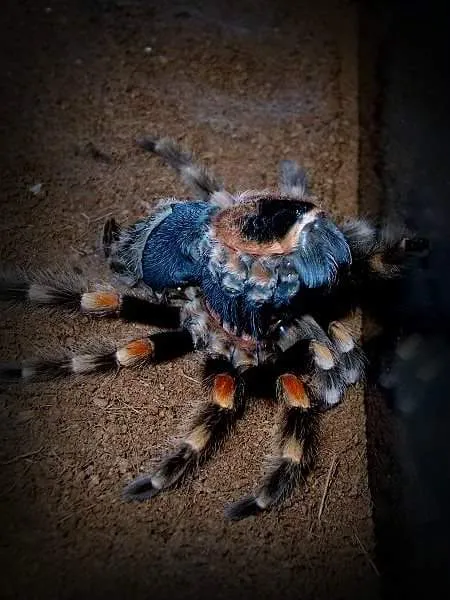
Maintaining the correct temperature and humidity levels in the enclosure is crucial for a successful molt. The ideal temperature range varies depending on the species of tarantula, but it’s usually between 75-85°F (24-29°C). Humidity levels should be kept at the appropriate level for the species. Using a hygrometer can help you monitor the humidity level accurately. Low humidity can make it difficult for the tarantula to shed its exoskeleton, leading to a failed molt. During molting, proper humidity is essential to prevent the old exoskeleton from drying out and sticking to the new one. Be sure to mist the enclosure or provide a water dish to maintain adequate humidity levels. This will support the tarantula during the process.
Avoiding Disturbance
The most important thing during molting is to avoid disturbing the tarantula. This means not handling the tarantula, tapping on the enclosure, or making loud noises near the enclosure. Even small disturbances can stress the tarantula and potentially interfere with the molting process. Keep the enclosure in a quiet location, away from foot traffic and other potential sources of disturbance. It is crucial to let the tarantula have its space. Cover the enclosure with a dark cloth or move it to a dimly lit room to provide a sense of security. The tarantula needs a calm and safe environment to complete its molt successfully. Patience and observation are key during this time.
Post-Molt Care
Feeding and Hydration

After the molt, the tarantula will be weak and vulnerable. Do not offer food immediately. Wait a week or two to allow the fangs to harden completely. This will ensure that the tarantula can eat without any problems. Provide a shallow water dish to ensure that the tarantula has access to fresh water. Once the fangs have hardened, you can begin to offer appropriately sized prey items, such as crickets or mealworms. Start with a small amount of food and gradually increase the portion size as the tarantula’s appetite returns. Monitor your tarantula’s behavior and ensure that it is eating properly. Also make sure you are providing a proper diet depending on the age and size of the tarantula.
Monitoring for Issues
While molting is a natural process, complications can sometimes occur. Monitor your tarantula for any signs of problems. If the tarantula is struggling to molt, has a stuck molt, or appears to be injured, consult with an experienced tarantula keeper or a veterinarian specializing in exotic animals. It is important to provide any assistance needed in a careful and safe manner, and only when it is absolutely necessary. Most molts proceed without incident if the proper environment and care are provided. However, being vigilant can help you identify and address any issues promptly. A successful molt is a good sign that your tarantula is healthy and thriving. Regular observation and monitoring of your tarantula’s health is a vital aspect of its care.