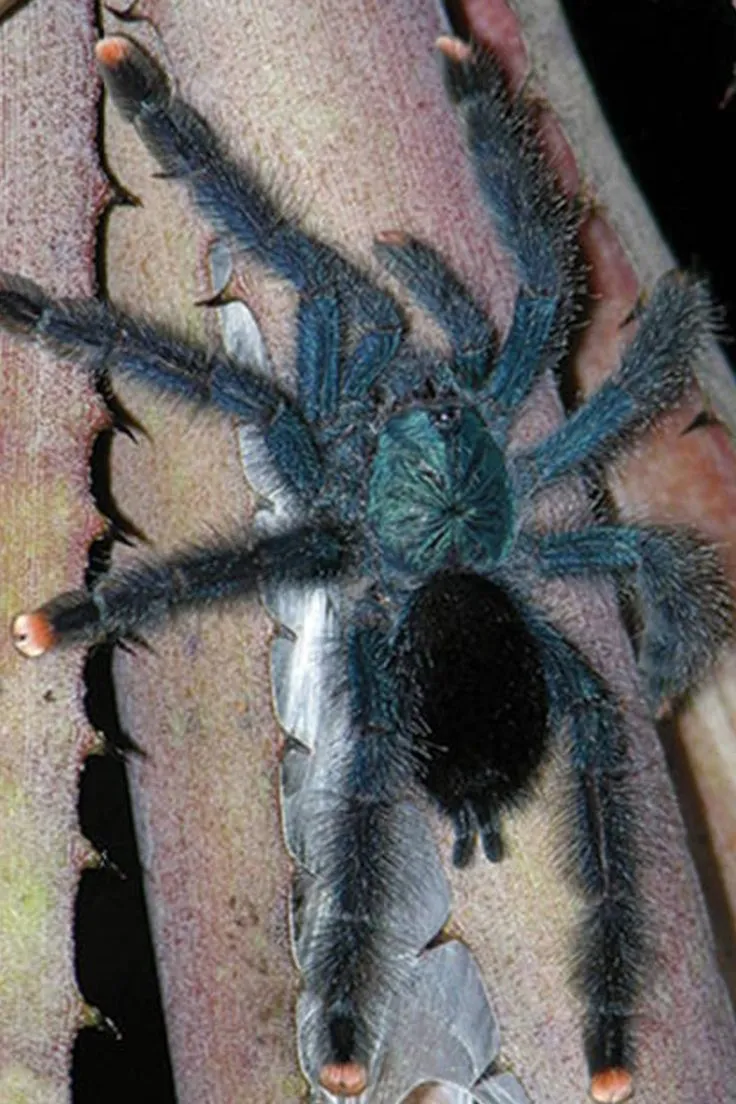
Why Is My Pink Toe Tarantula Not Growing
The anticipation of watching your pink toe tarantula grow is exciting, but it can be concerning if you notice it’s not progressing. Several factors can contribute to stunted growth in these fascinating creatures. Understanding these potential issues is crucial for providing your tarantula with the best care possible. This guide will delve into the top five reasons why your pink toe tarantula might not be growing, providing you with the knowledge to address the problems and help your pet thrive. From environmental factors to dietary needs, we’ll cover everything you need to know to ensure your tarantula’s healthy development.
Temperature Issues
Temperature plays a vital role in a pink toe tarantula’s metabolism and growth rate. If the temperature in their enclosure is not within the optimal range, it can significantly impact their ability to molt and grow. A tarantula’s metabolism is directly linked to the ambient temperature; cooler temperatures slow down metabolic processes, including growth. Conversely, excessive heat can also be detrimental, potentially leading to dehydration and other health problems. Ensuring the correct temperature is, therefore, a fundamental aspect of tarantula care, setting the stage for healthy development.
Ideal Temperature Range for Pink Toes

Pink toe tarantulas thrive in a specific temperature range. The ideal temperature for these arboreal tarantulas is typically between 75-80°F (24-27°C). Maintaining this temperature range consistently is crucial for their well-being. Monitoring the temperature using a reliable thermometer is essential to ensure the enclosure stays within the recommended parameters. Any significant deviation from this range can impact their appetite, activity levels, and overall growth. Consistent temperature control is key to a happy, healthy pink toe tarantula. Image: pink-toe-tarantula-temperature.webp
Heating Methods for Tarantula Enclosures
Several methods can be used to maintain the correct temperature in a tarantula enclosure. Heat mats, placed on the side of the enclosure, are a popular choice, providing gentle and consistent heat. However, it’s important to monitor the temperature carefully to avoid overheating. Heat lamps can also be used, but they must be positioned and regulated to prevent burns and maintain a stable temperature gradient. It’s crucial to select a heating method that suits the enclosure size and the tarantula’s specific needs. Always ensure the heating device is properly secured and monitored to maintain a safe and comfortable environment. Image: tarantula-enclosure.webp
Humidity Problems
Humidity is another critical factor influencing the growth and health of pink toe tarantulas. These tarantulas require a specific level of humidity to facilitate molting and prevent dehydration. Insufficient humidity can lead to molting problems, such as the tarantula struggling to shed its exoskeleton properly. Conversely, excessive humidity can lead to mold growth and other health issues. Maintaining the right humidity level is essential for ensuring your tarantula’s growth and overall well-being. Correct humidity levels contribute to a successful molting cycle and support healthy development.
Optimal Humidity Levels for Pink Toe Tarantulas

Pink toe tarantulas typically require a humidity level of around 70-80%. This can be achieved by regularly misting the enclosure with dechlorinated water, especially during the warmer months, and ensuring the substrate is appropriately moist but not waterlogged. Monitoring humidity is important using a hygrometer to ensure that you are maintaining the correct environment. This level of humidity is crucial for successful molting and overall health. Image: pink-toe-tarantula-humidity.webp
Humidity Control Techniques
Several techniques can help maintain the ideal humidity for your pink toe tarantula. Misting the enclosure with a spray bottle filled with dechlorinated water is a common and effective method. The frequency of misting depends on the environmental conditions and the enclosure’s ventilation. Adding a shallow water dish provides an additional source of moisture, aiding in maintaining humidity. Ventilation is crucial; too much ventilation can decrease humidity, while too little can lead to mold growth. Finding the right balance is key to a healthy enclosure environment. Regularly checking the substrate moisture is also recommended.
Dietary Deficiencies
A well-balanced diet is essential for a tarantula’s growth and overall health. Nutritional deficiencies can hinder growth and impact the tarantula’s ability to molt properly. Ensuring your pink toe tarantula receives a variety of appropriately sized prey items is key to meeting its nutritional needs. The quality of the prey is just as important as the quantity; feeding your tarantula healthy, well-fed insects contributes to its overall health. A varied diet promotes healthy growth and supports the tarantula’s active lifestyle. Image: feeding-pink-toe-tarantula.webp
Feeding Frequency and Prey Size

Feeding frequency and prey size are critical aspects of a pink toe tarantula’s diet. Spiderlings and juvenile tarantulas require more frequent feedings compared to adults. As a general guideline, spiderlings can be fed every other day, juveniles every 3-4 days, and adults every 5-7 days. The size of the prey should be appropriate for the tarantula’s size; the prey should generally be no larger than the tarantula’s abdomen. Overfeeding should be avoided, as it can lead to health issues, while underfeeding can stunt growth. The prey should be alive and appropriate to the tarantula’s size. Adjust the feeding schedule based on the tarantula’s appetite and growth stage.
Nutritional Needs of Pink Toe Tarantulas
Pink toe tarantulas require a diet rich in protein and essential nutrients for healthy growth. Crickets, roaches, and mealworms are common prey items that provide these essential elements. Supplementing their diet with occasional treats like waxworms or other insects can provide dietary variety, but these should be offered sparingly due to their high-fat content. Ensure the prey is gut-loaded before feeding them to your tarantula, which involves feeding the insects nutritious food for a period before they are fed to your tarantula, maximizing the nutritional value passed on to your tarantula. Offering a varied diet helps support a healthy immune system and strong growth.
Molting Issues
Molting is a critical process for tarantulas, during which they shed their exoskeleton to grow. Issues during molting can significantly impact growth and health. If a tarantula has difficulty molting, it can become stressed, and its development may be hindered. Understanding the molting process and recognizing potential problems is essential to ensure your tarantula’s well-being. Creating a stress-free environment and providing the correct conditions are crucial for successful molts. Image: pink-toe-tarantula-molting.webp
Molting Process Explained

Molting is the process by which tarantulas shed their outer exoskeleton to grow. This involves the creation of a new, larger exoskeleton beneath the old one. During the molting process, tarantulas typically stop eating and may appear lethargic. They often lie on their backs to facilitate the shedding of their old exoskeleton. Providing a calm, undisturbed environment is vital during this period. Avoid handling the tarantula or disturbing the enclosure until the molting process is complete and the tarantula’s new exoskeleton has hardened. Molting is a vulnerable time, and any stress can complicate the process.
Factors Affecting Molting Frequency
The frequency of molting depends on several factors, including the tarantula’s age, growth rate, and overall health. Spiderlings and juvenile tarantulas molt more frequently than adults. A well-fed tarantula with optimal environmental conditions will typically molt more regularly than one experiencing issues. The molting process is also affected by humidity levels and temperature; inadequate humidity or temperature can lead to molting problems. As your pink toe tarantula ages, the molting frequency will decrease; it may only molt once a year or less as an adult.
Enclosure Size and Space
The size of the enclosure can affect a pink toe tarantula’s ability to grow and thrive. An enclosure that is too small can restrict movement and hinder growth, whereas an enclosure that is too large can make it difficult for the tarantula to find food and feel secure. Providing an appropriately sized enclosure that allows for adequate space to move and explore is important for their development. The right enclosure setup is crucial to a healthy and happy tarantula. Image: tarantula-enclosure-size.webp
Appropriate Enclosure Dimensions for Pink Toes

Pink toe tarantulas are arboreal, meaning they prefer to climb, and their enclosure should reflect this. A taller enclosure is preferable to a wider one, allowing them to climb and create a more natural environment. As a general guideline, the enclosure should be at least twice the tarantula’s leg span in width and three times in height. For an adult pink toe, a terrarium measuring approximately 12x12x18 inches (width x depth x height) is often suitable. Always provide plenty of vertical climbing space and hiding places.
Impact of Overcrowding
Overcrowding in the enclosure can lead to stress, competition for resources, and hindered growth. If multiple tarantulas are kept together, they may compete for food, leading to some individuals receiving less nutrition. Overcrowding can also make it difficult to maintain proper humidity and temperature levels. If you have multiple tarantulas, they need to be housed in separate enclosures. A single tarantula in an appropriately sized enclosure is the best way to promote healthy growth and minimize stress. Remember, a happy tarantula is more likely to thrive. Image: pink-toe-tarantula-happy.webp