Understanding Your Tarantula Pet
Bringing a tarantula into your home is a unique experience, one that can be both rewarding and fascinating. These arachnids, with their impressive size and intricate behaviors, offer a captivating glimpse into the world of exotic pets. However, to ensure your tarantula thrives, it’s crucial to understand their specific needs and preferences. This includes everything from their ideal habitat to their dietary requirements and the importance of responsible handling. Understanding these aspects will not only enhance your pet’s well-being but also deepen your appreciation for these incredible creatures, making you a more informed and capable tarantula owner.
Choosing the Right Tarantula Species
Selecting the right tarantula species is the first and perhaps most critical step in ensuring a successful experience. Different species have different temperaments, sizes, and care requirements. Some are more docile and suitable for beginners, while others may be more defensive or have specific environmental needs. Researching various species and understanding their characteristics is essential. This initial groundwork will help you make an informed decision, aligning your lifestyle and experience level with the best possible pet tarantula. The more research you do at the beginning, the better prepared you will be to provide optimal care for your chosen species and to anticipate the challenges and joys of tarantula ownership.
Popular Tarantula Species

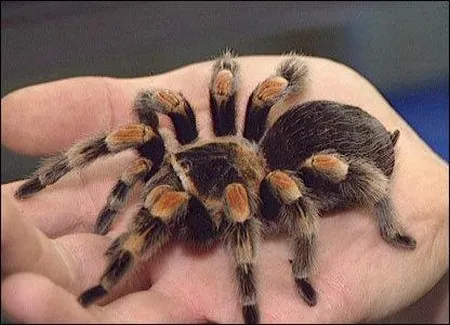
Among the many tarantula species available, some are particularly popular due to their relatively docile temperaments, striking appearances, and ease of care. The Chilean Rose Hair tarantula (Grammostola rosea) is often recommended for beginners because of its gentle nature and hardiness. The Mexican Red Knee tarantula (Brachypelma hamorii), known for its vibrant coloration, is another favorite, though it may be slightly more skittish. The Gooty Sapphire Ornamental (Poecilotheria metallica) is known for its beautiful metallic blue coloration. It requires more experienced keepers due to its potent venom and defensive nature, while the Brazilian Black (Grammostola pulchra) is praised for its calm demeanor and striking all-black appearance. When choosing, consider the size, temperament, and care requirements to determine which species best suits your experience and lifestyle. The more you research, the better you will know and appreciate the spider.
Tarantula Temperament and Handling
Tarantula temperaments vary widely from species to species, and even among individuals of the same species. Some tarantulas are docile and can be handled with relative ease, while others are more defensive and may bite or flick urticating hairs (tiny, irritating hairs that can cause skin irritation). It’s essential to research the specific temperament of your chosen species and to approach handling with caution. Never force a tarantula to be handled; if it shows signs of stress, such as rearing up or flicking hairs, it’s best to leave it alone. Handle them with a gentle touch, and always do so close to the ground or a soft surface in case the spider falls. Understanding your tarantula’s behavior is key to a safe and enjoyable ownership experience, minimizing stress for both you and your pet.
Creating the Perfect Tarantula Habitat
The habitat is paramount to the health and happiness of your tarantula. Replicating the right environment is more than just providing a place to live; it’s about fulfilling the creature’s needs for safety, security, and comfort. The enclosure should offer appropriate space for the spider to move around, regulate temperature and humidity, and provide suitable substrate for burrowing or hiding. Creating the ideal habitat demonstrates your understanding and commitment to the well-being of your tarantula. By focusing on all of these elements, you create a thriving environment for your spider pet.
Enclosure Size and Type

The size and type of enclosure are crucial for your tarantula’s comfort and well-being. The enclosure should be large enough for the tarantula to move around and establish a territory, but not so large that the tarantula feels exposed and vulnerable. A general guideline is to provide a space that is at least twice the tarantula’s leg span in width and length, and tall enough to allow for appropriate substrate depth and any necessary décor. Glass terrariums with secure lids are often the preferred choice, as they allow for good visibility and ventilation. However, plastic enclosures can also be suitable, provided they are durable and offer adequate airflow. Be sure the enclosure has proper ventilation to prevent the build-up of harmful mold, and consider the type of tarantula when selecting the enclosure, as arboreal (tree-dwelling) species may require taller enclosures than terrestrial (ground-dwelling) species.
Substrate and Decor
The substrate is the bedding material within the enclosure and serves several critical functions. It provides a surface for the tarantula to walk on, burrow into (for terrestrial species), and helps to maintain humidity levels. Suitable substrate options include coconut fiber, peat moss, vermiculite, and a mix of these materials. The substrate should be deep enough to allow for burrowing if your tarantula is a burrowing species. Decor such as cork bark, artificial plants, and hides can be added to the enclosure to provide the tarantula with places to hide and feel secure. These additions create a more natural and enriching environment, reducing stress and encouraging natural behaviors.
Temperature and Humidity Control
Maintaining the correct temperature and humidity levels within the enclosure is essential for your tarantula’s health and survival. Most tarantula species thrive in temperatures between 75-85°F (24-29°C). You can use a heat mat placed on the side of the enclosure or a low-wattage heat lamp to maintain the desired temperature. It’s crucial to avoid direct heat sources, which can be harmful. Humidity levels should be maintained based on the specific needs of your species. Monitor humidity levels using a hygrometer. Mist the enclosure with water as needed. Proper ventilation is also important to prevent the build-up of mold and to ensure that your tarantula has access to fresh air.
Feeding Your Tarantula

Providing your tarantula with the correct diet is crucial for its health and longevity. They are carnivores and their dietary needs are relatively straightforward. However, there are specifics you should keep in mind to ensure your tarantula is getting the proper nutrition. Selecting appropriate food items, providing the correct amount, and understanding their feeding frequency are all integral parts of tarantula care. A well-fed tarantula is a healthy tarantula, and by paying attention to these dietary factors, you are directly contributing to your pet’s overall well-being and vitality.
What Tarantulas Eat
Tarantulas primarily eat insects. The most common food items include crickets, mealworms, dubia roaches, and superworms. The choice of food should depend on the size of your tarantula; the prey should be no larger than the tarantula’s body. It’s essential to ensure that the insects you offer are healthy and free from pesticides, which can be fatal to your pet. Before feeding, dust the insects with a calcium and vitamin supplement. Avoid feeding wild-caught insects, as they may carry parasites or diseases. Variety in the diet can be beneficial, but always prioritize the safety and nutritional value of the food items.
Feeding Frequency
The feeding frequency of your tarantula depends on its age, size, and metabolism. Spiderlings (young tarantulas) need to be fed more frequently, typically 2-3 times a week. Juvenile tarantulas can be fed once or twice a week, while adults may only need to be fed once every 1-2 weeks. Observe your tarantula’s behavior and appetite to gauge its needs. If it consistently refuses food, it may be preparing to molt or could have other health issues. Remove any uneaten prey within 24 hours to prevent stress on your pet. Adjust the feeding schedule as needed to maintain your tarantula’s ideal body condition, preventing both overfeeding and underfeeding.
Watering Your Tarantula

Water is essential for tarantula hydration and survival. Always provide a shallow water dish with fresh, clean water. Ensure the water dish is shallow enough to prevent drowning, especially for smaller tarantulas. Refill the water dish regularly, at least once a week, and clean it as needed to prevent the growth of bacteria and mold. Some tarantula keepers also mist the enclosure to maintain humidity, but avoid over-misting, as excessive moisture can lead to mold. Ensure that your tarantula has constant access to fresh water, especially during molting when they require increased hydration.
Maintaining Tarantula Health
Maintaining your tarantula’s health involves several key components, including recognizing signs of illness, identifying and addressing common health issues, and understanding the shedding and molting process. Regular observation, a clean and suitable habitat, and appropriate feeding habits are all vital for ensuring your pet’s well-being. By proactively addressing these factors, you can provide the best possible care for your tarantula, increasing its chances of a long and healthy life.
Recognizing Signs of Illness
Tarantulas, like all living creatures, can become ill. Recognizing signs of illness is critical for prompt intervention. Watch for the following: loss of appetite, lethargy, unusual posture, difficulty moving, tremors or twitching, and the presence of parasites. Other signs to watch out for are discolored or swollen abdomen, and oozing wounds. If you notice any of these symptoms, consult with a veterinarian experienced in exotic animals or an experienced tarantula keeper for guidance. Early detection and intervention can often make a significant difference in the outcome of an illness, so regular observation is a necessity.
Common Tarantula Health Issues
Tarantulas are generally hardy, but they can be susceptible to certain health issues. Parasites, such as mites, can infest tarantulas and should be treated with appropriate medication. Fungal infections can occur if the enclosure is too humid or poorly ventilated, so always make sure there’s adequate ventilation. Bacterial infections can also develop and can often be linked to poor environmental conditions or wounds. In order to prevent these issues, maintain a clean habitat, ensure the proper humidity levels, and provide adequate ventilation. Always consult an expert if you suspect your pet has a health issue.
Shedding and Molting
Shedding (molting) is a natural process in which tarantulas shed their exoskeleton to allow for growth. During the molting process, tarantulas become vulnerable. The tarantula will typically become less active and may refuse food for several days or weeks before molting. Provide extra humidity during this period. After molting, the tarantula will be soft and vulnerable, so avoid handling it for at least a week. A successful molt is a sign of a healthy tarantula. After the molt, the tarantula will be larger, and its colors may be more vibrant. It’s a remarkable process to witness, and it’s a key indicator of your pet’s health and growth.
Handling and Interaction
Handling a tarantula can be a unique experience, but it must be approached with respect for the animal and a deep understanding of its needs and behaviors. While some tarantulas may tolerate handling, it’s essential to prioritize their welfare and safety above all else. Handling should be done cautiously, and only if the tarantula appears receptive and comfortable. Safe handling practices and an awareness of tarantula behavior can ensure a positive experience for both you and your pet.
Safe Handling Techniques

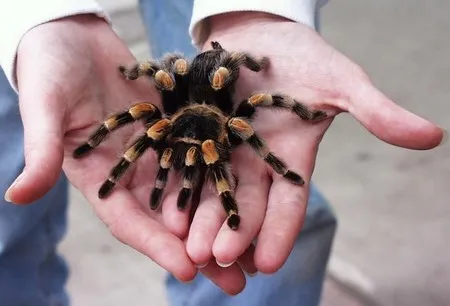
If you choose to handle your tarantula, there are several safe handling techniques to follow. Always handle the tarantula close to the ground or a soft surface to minimize the risk of injury if it falls. Use a gentle touch and avoid sudden movements that could startle the tarantula. Avoid handling during or just after molting, when the tarantula is particularly vulnerable. Never try to grab the tarantula or restrain it against its will. If the tarantula shows any signs of stress, such as rearing up, flicking hairs, or attempting to flee, gently place it back in its enclosure. Be aware that some tarantula species have urticating hairs, so avoid touching your eyes and wash your hands thoroughly after handling your pet.
Understanding Tarantula Behavior
Understanding your tarantula’s behavior is key to safe and enjoyable handling. Observe your tarantula regularly to learn its personality and recognize any changes in its behavior. A healthy tarantula will typically be active, exploring its enclosure, and exhibiting normal feeding behavior. Be aware that tarantulas can be skittish and may react defensively if they feel threatened. Understanding the tarantula’s posture and body language can help you to anticipate its reactions and handle it safely. Be patient and respect the tarantula’s boundaries, as some species are more amenable to handling than others. The better you understand their behavior, the safer handling and the richer experience for both of you.
The Tarantula Pet Lifespan
The lifespan of a pet tarantula is a significant factor to consider before bringing one into your home. Some species can live for several years, while others can live for decades. Understanding the factors that influence their lifespan can help you prepare for long-term care. Preparing yourself for their lifespan can strengthen the bond between you and your tarantula pet.
Factors Influencing Lifespan
The lifespan of a tarantula can be affected by various factors. These factors include the species, sex, care provided, and environmental conditions. Female tarantulas generally live longer than males, with some species living for 20-30 years, while males typically live for 5-10 years. Proper care, including providing a suitable habitat, appropriate feeding, and maintaining proper health, is essential for maximizing a tarantula’s lifespan. Environmental factors, such as temperature, humidity, and the absence of stress, also play a crucial role in the overall well-being and longevity of your tarantula. By providing the right care, you can help your tarantula live a long and healthy life.
Caring for a Tarantula The Bottom Line
Caring for a tarantula can be a rewarding experience. By understanding their specific needs, providing a suitable habitat, proper feeding, and attentive care, you can help your pet thrive. Responsible tarantula ownership involves a commitment to learning and adapting to your tarantula’s needs, ensuring its long and healthy life. Enjoy the fascinating world of tarantula pets!