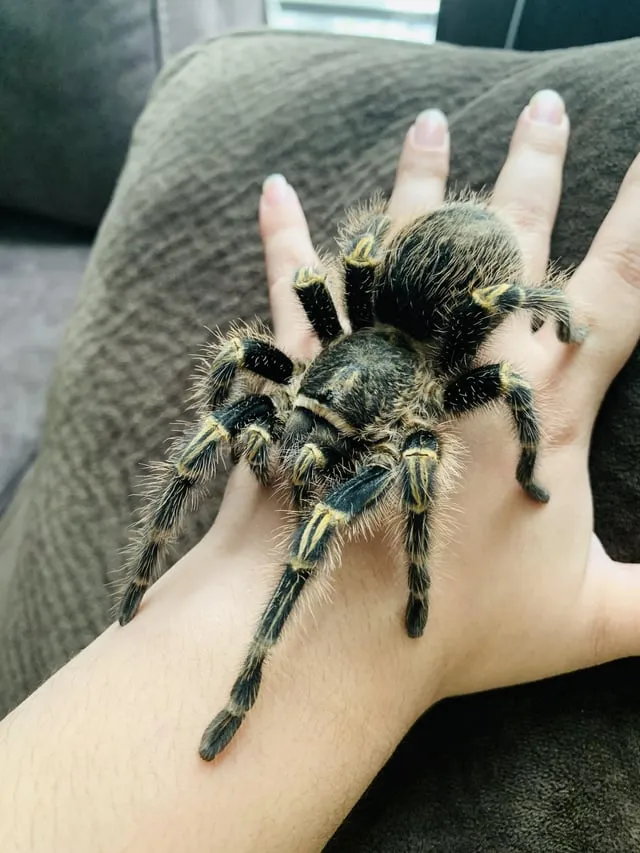
Tarantula Slings Food Top 5 Secrets
Caring for a tarantula sling can be incredibly rewarding, but it also comes with a unique set of responsibilities. One of the most crucial aspects of sling care is providing the right food. Unlike adult tarantulas, slings have specific dietary needs that are essential for their healthy growth and development. This guide will unravel the top 5 secrets to feeding your tarantula sling, helping you ensure your tiny arachnid thrives. Understanding these secrets will not only make you a better tarantula keeper but also enhance your appreciation for these fascinating creatures. Proper feeding is fundamental to their well-being, influencing everything from their growth rate to their overall health and lifespan. Let’s dive into the essentials!
Secret 1 What to Feed Tarantula Slings
The foundation of any successful tarantula sling feeding plan lies in choosing the right food. Slings require small, appropriately sized prey that they can easily capture and consume. The dietary needs of a tarantula sling differ significantly from those of adult tarantulas, making prey selection a critical factor. Avoid the temptation to offer food items that are too large or difficult for the sling to manage. Providing the right food not only ensures they get the necessary nutrients but also minimizes stress and potential hazards during feeding. A well-chosen diet sets the stage for a thriving tarantula, allowing it to grow strong and healthy. Careful selection of prey is an investment in the future of your tarantula.
The Best Food Choices for Slings

Among the best choices for tarantula slings are small insects that are readily available and easy to handle. Pinhead crickets are a popular and excellent choice, offering a good source of protein and chitin. Fruit flies, particularly flightless varieties, are another excellent option, especially for very small slings that might struggle with larger prey. These tiny insects are packed with nutrients and provide a balanced diet. Consider the lifecycle of the prey, ensuring that the food is freshly molted or recently hatched. Pre-killed insects are often a good option, especially if you are new to tarantula keeping, minimizing the risk of injury to your sling. Diversity is key; vary the food occasionally to provide a wider range of nutrients.
Live Prey Essentials for Tarantula Slings
Live prey is typically preferred, as it stimulates the tarantula’s natural hunting instincts and provides a more enriching feeding experience. Ensure the prey is gut-loaded, meaning they have been fed nutritious foods before being offered to your sling. This process enhances the nutritional value of the prey and passes on vital nutrients to your tarantula. When introducing live prey, it’s essential to monitor the sling to ensure it captures and consumes the food. Avoid leaving live prey in the enclosure for extended periods, as they can stress the sling or, in rare cases, injure it during a molt. Provide a manageable number of prey items appropriate for the sling’s size to avoid any unnecessary risks. The goal is to replicate their natural diet as closely as possible, promoting a healthy and active life.
Secret 2 How Often to Feed Tarantula Slings
The frequency of feeding your tarantula sling is as critical as the food itself. Overfeeding or underfeeding can lead to health issues, affecting the sling’s growth and well-being. Understanding the right feeding schedule tailored to the sling’s needs is crucial for their development. The frequency will depend on several factors, including the sling’s age, size, and the species. Finding the correct balance ensures they receive adequate nutrition without unnecessary risks. Consistent monitoring and observation of your sling’s behavior will help you fine-tune your feeding schedule for optimal results. Remember that each tarantula is an individual, so adjust the feeding plan based on how your specific sling responds.
Feeding Frequency by Sling Size

The size of your tarantula sling significantly impacts how often you should feed it. Very small slings, measuring less than an inch, typically need to be fed more frequently, often every other day or even daily, as they have higher metabolic rates and require more energy to grow. As they grow larger, the feeding frequency can be gradually reduced. Slings between 1 and 2 inches might be fed every three to four days. Always adjust the schedule based on the individual sling’s appetite and behavior. If the sling consistently refuses food, reduce the feeding frequency. Observe their abdomen size; a plump abdomen generally indicates a well-fed sling. This ensures you strike the perfect balance between nourishment and overfeeding.
Adjusting Feed Schedule Based on Molting
Molting is a critical process for tarantulas, where they shed their exoskeleton to grow. During this period, slings are particularly vulnerable and should not be fed. Before a molt, the sling may stop eating, and its abdomen may appear swollen or darkened. Stop feeding them a week or two before an anticipated molt to avoid any potential complications. After molting, wait a few days for the tarantula’s fangs to harden before resuming feeding. This waiting period allows the tarantula to fully recover and reduces the risk of injury. Observe the tarantula closely for signs of readiness to eat, and start with a small, easy-to-handle prey item. The goal is to provide ample nutrition when they need it most, supporting a successful molt and healthy growth.
Secret 3 Understanding Prey Size
The size of the prey you offer is a critical factor in the health and well-being of your tarantula sling. Offering prey that is too large can stress the sling, making it difficult for them to capture and consume the food. Conversely, prey that is too small may not provide sufficient nutrition. Finding the right balance is essential for the sling’s growth and avoiding any potential harm. Always consider the sling’s size and the potential risks associated with the prey. Proper prey size selection is directly linked to the sling’s overall health, molting success, and longevity. Adjust the size of the prey as your tarantula sling grows to meet its changing nutritional needs.
Why Prey Size Matters for Slings

Prey size directly influences the sling’s ability to eat, digest, and grow. If the prey is too large, the sling might be overwhelmed, potentially leading to injury or stress during the hunting and feeding process. Larger prey can also pose a risk, especially if they are able to bite or defend themselves, increasing the chances of harming the delicate tarantula. Smaller prey items might not provide enough sustenance to support healthy growth. Therefore, selecting the right size is paramount for ensuring the sling gets sufficient nutrition without any associated risks. The ideal prey size allows the sling to eat efficiently, digest properly, and gain the necessary energy for molting and general development. This critical balance fosters a thriving and healthy tarantula sling.
Prey Size Guidelines for Different Sling Stages
As tarantula slings grow, their prey requirements also change. For very small slings (under 1 inch), fruit flies or newly hatched pinhead crickets are ideal. The prey should be no larger than the sling’s body length. For slings between 1 and 2 inches, slightly larger pinhead crickets or small mealworms may be appropriate. The prey should be no more than half the sling’s body size. For slings nearing adulthood, the prey can be increased in size, but still, consider the tarantula’s comfort and safety during the hunt. Always observe the sling’s feeding behavior to ensure it is successfully catching and consuming the food. The goal is to provide enough food to support growth without any undue stress or risk of injury. Careful adjustments at each stage ensure optimal health and development.
Secret 4 Water & Hydration for Slings
Providing access to clean water is as crucial as providing the right food. Proper hydration ensures your tarantula sling can function properly, stay healthy, and thrive. Slings get most of their water from their food, but having a reliable source of fresh water is essential. Dehydration can be fatal, leading to molting problems and general health decline. Ensuring your tarantula has access to water isn’t just a matter of providing a dish; it involves choosing the correct method and maintaining proper humidity levels. Providing water is a fundamental aspect of tarantula care, directly impacting their survival and overall well-being. Regularly check the water source, keeping it clean and readily available.
Proper Water Access Methods

For tarantula slings, the most common method of providing water is using a shallow water dish, such as a bottle cap or a small, easily accessible dish. Make sure the water dish is small enough that the sling can’t fall in and get trapped. Always use dechlorinated water to avoid any harmful chemicals. Another option is to provide water by misting the enclosure. Lightly mist one side of the enclosure, allowing the tarantula to drink the droplets. This method helps maintain humidity. Regularly check the water source to ensure it’s clean and free from debris. Always prioritize the safety and accessibility of the water source for your tiny arachnid, ensuring they can hydrate without any risk of harm. The method used can vary depending on the sling’s size, behavior, and the enclosure setup.
Humidity and Its Importance for Slings
Humidity levels play a significant role in a tarantula sling’s health, particularly during molting. Maintaining appropriate humidity helps prevent dehydration and facilitates successful molts. Most tarantula slings require a moderate level of humidity, often between 60% and 80%, depending on the species. To maintain proper humidity, lightly mist the enclosure once or twice a week, and make sure the substrate is slightly damp. Ensure good ventilation in the enclosure to prevent mold growth, which can be harmful. Monitor the humidity levels with a hygrometer to ensure they are within the recommended range. If the humidity is too low, the sling may struggle to molt. Conversely, excessive humidity can also lead to health problems.
Secret 5 Handling and Safety Tips
Handling tarantula slings, while exciting, should be approached with caution. Tarantula slings are fragile and can be easily injured. Their venom, while rarely fatal to humans, can still cause discomfort. Understanding safe handling practices is crucial for both your well-being and the sling’s. The objective is to handle the tarantula as little as possible, to avoid any unnecessary stress or potential harm. Prioritizing your safety and the sling’s ensures a positive experience for both. Careful handling and understanding of their behavior will prevent accidents and create a safer environment. Being informed about safety practices ensures that you can enjoy observing your tarantula sling while minimizing risks.
Safe Handling Practices

If you need to handle your tarantula sling, do so with extreme care. Avoid handling them unless absolutely necessary, such as when transferring them between enclosures. When handling, do so close to the ground or a soft surface to minimize the risk of injury from a fall. Use a soft paintbrush or a small cup to gently guide the sling if needed, as directly picking them up can be risky. Always move slowly and deliberately to avoid startling the tarantula. Observe their behavior and body language, and be aware that they might be defensive if they feel threatened. Wash your hands thoroughly before and after handling the sling. Always prioritize the sling’s safety and well-being over handling them. Consider minimizing direct contact to reduce stress.
Avoiding Bites and Accidents
Bites from tarantula slings are rare, but they can happen, especially if the sling feels threatened. To avoid bites, never provoke the sling or put your hand directly in front of it. Instead, use a tool to encourage them to move. Avoid sudden movements or loud noises, as these can startle the sling. When handling, always supervise children and educate them about the importance of respecting the tarantula. If a bite does occur, wash the area with soap and water and monitor for any signs of an allergic reaction. The bite itself might be painful, but the venom of most tarantulas is not considered dangerous to humans. It’s best to take precautions to avoid a bite in the first place by handling the tarantula responsibly, respecting its space, and understanding its behavior.
Conclusion
Feeding a tarantula sling is a delicate balance, requiring careful attention to detail. By mastering the five secrets to tarantula sling food, you can ensure that your tiny arachnid thrives. From selecting the right prey and determining the feeding frequency to ensuring proper hydration and prioritizing safety, each secret contributes to their overall well-being. Remember that consistency and observation are key; each tarantula is unique, and their needs might vary. Embrace the responsibility of being a tarantula sling keeper, and enjoy the rewarding experience of watching these fascinating creatures grow and thrive under your care. With the right knowledge and commitment, you can provide a nurturing environment that supports their healthy development.