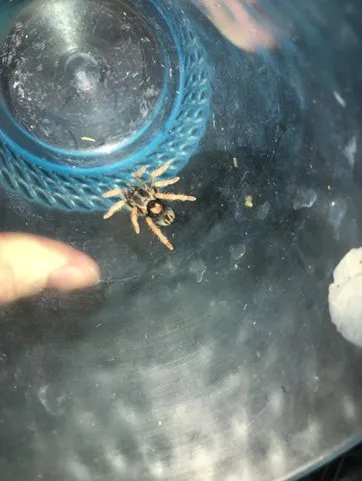
What are Tarantula Slings
Tarantula slings are essentially baby tarantulas, the juvenile stage of these fascinating arachnids. They are significantly smaller than adult tarantulas, often measuring only a fraction of an inch in body length. Caring for tarantula slings is a rewarding experience, but it requires specific knowledge and attention to ensure their healthy growth and development. These delicate creatures need a carefully controlled environment, appropriate food, and consistent monitoring. Understanding the unique needs of tarantula slings is crucial for any aspiring tarantula keeper. Their vulnerability at this stage makes proper care paramount to their survival and well-being. The rewards of successfully raising a sling into a mature tarantula are immense, offering a unique perspective on the life cycle of these captivating creatures.
Understanding Tarantula Sling Behavior
Tarantula slings exhibit distinct behaviors compared to their adult counterparts. They are often more skittish and vulnerable, making them prone to hiding or retreating into their burrows or shelters. Observing their behavior is essential to understanding their needs and identifying any potential issues. They spend a considerable amount of time hiding, especially after molting. This is a natural behavior that protects them while their exoskeleton hardens. Slings are also voracious eaters, which is vital for their growth. This constant need for food means you’ll frequently see them hunting or waiting patiently for their next meal. They are also sensitive to changes in their environment, so sudden noises, movements, or temperature fluctuations can cause stress. Careful observation is key to ensuring they remain healthy and comfortable.
Feeding Your Tarantula Sling

Feeding is a crucial aspect of caring for a tarantula sling, as it directly impacts their growth and development. The type of food and the frequency of feeding play significant roles in their overall health. Providing the right nutrition ensures they receive the necessary nutrients to thrive. Always make sure that the food is the appropriate size and type, to avoid any choking hazards or difficulty eating. A well-fed sling will grow faster, molt more frequently, and exhibit better overall health. It’s a rewarding experience watching these tiny creatures develop and flourish with proper care.
Choosing the Right Food
The ideal food for a tarantula sling consists of appropriately sized insects, such as fruit flies (wingless), small pinhead crickets, or pre-killed mealworms. The size of the food should be no larger than the sling’s body. For instance, fruit flies are a good choice for very small slings because they are small and nutritious. As the sling grows, you can gradually introduce small crickets or mealworms, always ensuring they are pre-killed to prevent any risk of injury to the sling. Variety in diet is also beneficial, providing a range of nutrients and stimulating the sling’s appetite. Avoid feeding wild-caught insects, as they may carry parasites or pesticides that could harm your tarantula. Fresh and healthy food is critical for the tarantula sling.
Feeding Frequency and Amounts
Young tarantula slings typically require feeding every other day or every three days, depending on their size and growth rate. Observe your sling’s abdomen; if it appears plump, it is well-fed. If it seems thin or always hungry, increase the feeding frequency. Always remove any uneaten food within 24 hours to prevent mold or mites from infesting the enclosure. As the sling grows, you can adjust the feeding schedule accordingly. Ensure the sling has access to fresh food. Overfeeding a sling isn’t generally a major issue, but it’s important to avoid stressing them or creating an unsanitary environment. Adjust feeding based on observation and growth.
Watering and Humidity for Tarantula Slings

Maintaining proper humidity levels and providing fresh water are essential for the health and well-being of tarantula slings. These delicate creatures rely on a humid environment to help them with the molting process. Adequate hydration prevents dehydration and supports their growth. Understanding how to manage the humidity and water supply is vital to successfully caring for a tarantula sling. A balanced environment prevents health issues, such as difficulty molting or dehydration. Regular attention to these details ensures that your sling thrives.
Maintaining Humidity Levels
Humidity levels for tarantula slings vary depending on the species, but generally, a range of 60-80% is ideal. You can achieve this by lightly misting the enclosure with dechlorinated water once or twice a week, depending on the ventilation and the species’ needs. Using a hygrometer will help you monitor the humidity levels accurately. Ensure that the substrate is slightly damp, but not overly wet, to prevent mold or fungal growth. Proper ventilation is also crucial; it helps to prevent the buildup of condensation and the growth of harmful pathogens. Regularly monitor the humidity, adjusting misting frequency as needed to keep the environment suitable for your tarantula sling.
Providing Fresh Water
Tarantula slings need a constant supply of fresh water. For smaller slings, providing water can be as simple as using a small, shallow water dish or a bottle cap filled with fresh, dechlorinated water. You can also use a piece of water-soaked cotton wool, changing it every day to keep it clean. For larger slings, a larger, shallow water dish is appropriate. Always make sure the water dish is secure and won’t tip over, as this can be a hazard. Regularly check the water source, making sure it is clean and free of debris, and replace it as needed to prevent contamination. Ensure that water is always available for drinking and to help them stay hydrated.
Enclosure Setup for Tarantula Slings

Setting up the right enclosure for a tarantula sling is essential for its health and well-being. The enclosure should provide a secure and comfortable habitat, replicating their natural environment. The setup significantly impacts the sling’s ability to thrive. An appropriate enclosure provides space to move, hide, and hunt. The enclosure should be designed to facilitate easy care, including feeding, watering, and maintaining humidity. Careful planning helps prevent stress and supports the growth and development of the sling. Selecting the right size, substrate, and decor are critical steps in ensuring the tarantula sling’s comfort and happiness.
Choosing the Right Enclosure Size
The size of the enclosure should be appropriate for the tarantula sling’s size, allowing enough space to move around without feeling overwhelmed. A good starting point is a small deli cup or a clear plastic container. As the sling grows, it will need to be upgraded to a larger enclosure. Aim for an enclosure that is roughly three times the tarantula’s leg span in width and length. Ensure that the enclosure has adequate ventilation to prevent the buildup of humidity and mold. Choose a lid that fits securely to prevent escape while still allowing for airflow. Always consider the species’ specific needs; some slings may prefer more open spaces, while others benefit from more hiding spots.
Substrate and Decor
The substrate, or bedding, should provide a comfortable and safe environment for the sling. The substrate should retain some moisture to help maintain humidity levels. Good choices include coco coir, peat moss, or a mixture of both. The substrate should be deep enough for the sling to burrow if it is a burrowing species, and it should be clean and free of any chemicals. Add some decorations, such as a small piece of cork bark or a plastic plant, to provide hiding spots and a sense of security. Avoid sharp objects that could injure the sling. Ensure the decor is stable and doesn’t pose a risk of crushing the sling. The correct substrate and decor will make the enclosure a safe and comfortable home.
Temperature and Lighting

Maintaining the correct temperature and providing appropriate lighting are essential elements in caring for a tarantula sling. These factors are crucial for their metabolism, activity levels, and overall health. Tarantulas are ectothermic creatures, meaning they rely on external sources of heat to regulate their body temperature. Proper temperature and lighting help the sling digest food, molt successfully, and remain active. A well-regulated environment prevents health problems and fosters healthy growth. Ensuring a stable and appropriate temperature and lighting environment is a critical step toward keeping your tarantula sling healthy and happy.
Optimal Temperature Ranges
The ideal temperature range for most tarantula slings is between 75-85°F (24-29°C). You can use a thermometer to monitor the temperature inside the enclosure. If the enclosure is too cold, you may need to use a small heat mat placed on the side of the enclosure. Make sure to monitor the temperature to prevent overheating, which can be harmful. Avoid placing the heat mat directly under the enclosure, as this can cause the substrate to dry out too quickly. Ensure that the temperature is consistent and stable. A temperature gradient within the enclosure is beneficial, allowing the sling to move to an area that best suits its needs.
Lighting Considerations
Tarantula slings do not require special lighting, but they do need a regular day-night cycle. Ambient room light is often sufficient for most tarantulas. Avoid placing the enclosure in direct sunlight, as this can cause the enclosure to overheat. If you want to add lighting, use a low-wattage LED or fluorescent bulb. Make sure that the light source does not produce excessive heat. Provide a natural day-night cycle to mimic their natural environment. If you are using a light, it should be on for about 12 hours a day and off for the other 12 hours. Proper lighting enhances the quality of life of your tarantula sling.
Handling and Safety Precautions

Handling a tarantula sling should be done with extreme caution, as these creatures are delicate and can be easily injured. While some keepers enjoy handling their tarantulas, it is not always necessary, and for slings, it is often best avoided. The primary goal is to ensure the safety of both the tarantula and the keeper. Understanding when and how to handle a tarantula sling, and knowing the safety precautions, can prevent accidents and unnecessary stress. Prioritizing safety ensures that the sling’s health and well-being are maintained.
When to Handle
For tarantula slings, handling should be kept to a minimum. Avoid handling them unless it is absolutely necessary, such as when transferring them to a new enclosure. Slings are particularly fragile and can be easily injured or stressed. If you must handle the sling, do so gently and slowly. Always try to coax the sling onto your hand rather than grabbing or forcing it. Handling is best avoided, as it can be stressful for the sling. Handling can sometimes be stressful, and the sling is always at risk of accidental injury. Handle them only when essential and always with the utmost care.
Safety Measures
If you do handle a tarantula sling, make sure to do so over a soft surface, such as a bed or a carpet, in case it falls. Always keep a close eye on the sling to prevent it from escaping. Wash your hands thoroughly before and after handling, as tarantulas can have urticating hairs that can cause irritation. Avoid handling the sling if you are not feeling well or if you have any open wounds on your hands. Always handle the tarantula in a calm and controlled manner. Be aware of your surroundings to prevent any accidents. Always handle with care and respect to maintain safety and well-being.
Recognizing and Addressing Health Issues

Recognizing and addressing potential health issues in tarantula slings is crucial for providing proper care. Slings, being in their vulnerable stage, are susceptible to several health problems. Regular observation, awareness of common issues, and the ability to seek expert assistance can significantly improve the chances of a successful outcome. Early detection is very important for quick recovery. Proactive healthcare measures and the ability to identify potential problems are vital for ensuring the well-being of your tarantula sling. Knowing what to look for and what steps to take is key to responsible tarantula keeping.
Common Health Problems
Common health problems include dehydration, mites, and problems with molting. Dehydration can be a serious issue and is indicated by a shriveled abdomen. Make sure to provide sufficient water and maintain adequate humidity. Mites are small pests that can infest the tarantula and its enclosure, causing significant distress. If you notice mites, you should isolate the tarantula, clean the enclosure, and consult a veterinarian. Molting problems can also arise if the sling has difficulties shedding its exoskeleton. Ensuring that the environment has the right conditions (humidity and temperature) will facilitate successful molting. Regular observation helps identify these issues early, so that they can be addressed promptly.
Seeking Veterinary Assistance
If you observe any severe health problems, such as loss of appetite, lethargy, or unusual behavior, it is important to seek the assistance of a qualified veterinarian who has experience with exotic animals. Not all vets are equipped to treat tarantulas, so research vets in your area. They will be able to diagnose the problem and recommend the appropriate treatment. Keep a close eye on the sling, and document any changes in its behavior or appearance. This information will be helpful to the vet. Early veterinary intervention can often improve the sling’s chances of recovery. Seeking professional medical assistance when needed is part of responsible pet ownership.