
Top 5 Tarantula Species Facts
Tarantulas, with their imposing size and captivating presence, have fascinated humans for centuries. These arachnids, members of the Theraphosidae family, are not only diverse in their species but also possess unique characteristics that set them apart. From the vibrant hues of their bodies to their varying behaviors and habitats, the world of tarantulas is filled with intriguing facts. This guide will delve into the top 5 facts about tarantula species, shedding light on what makes them so unique and how to care for them.
What are Tarantulas?
Tarantulas are large, hairy spiders belonging to the Theraphosidae family. They are found in various habitats around the world, primarily in tropical and subtropical regions. Unlike many other spiders, tarantulas are relatively long-lived, with some species capable of surviving for decades. They are known for their impressive size, with some species having a leg span of over 10 inches. Tarantulas are primarily nocturnal hunters, feeding on insects, small vertebrates, and other invertebrates. Their fangs are used to inject venom, which paralyzes their prey. Tarantulas also possess urticating hairs, which they can flick off their abdomens as a defense mechanism.
Appearance of Tarantulas

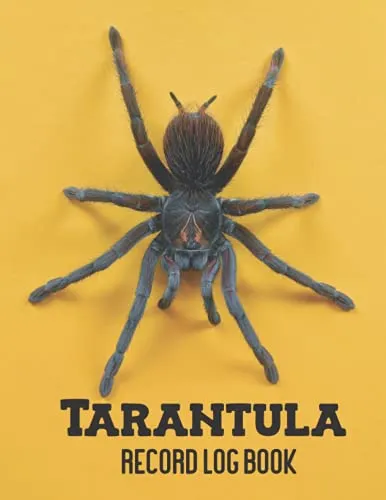
Tarantulas come in a wide array of colors and patterns, ranging from earthy browns and blacks to vibrant blues, oranges, and reds. Their bodies are divided into two main parts the cephalothorax (fused head and thorax) and the abdomen. The cephalothorax houses the spider’s brain, eyes, mouthparts, and legs. The abdomen contains the digestive and respiratory organs, as well as the spinnerets, which are used to produce silk. Their bodies are covered in hairs, which serve various functions, including sensory perception and defense. The legs of tarantulas are long and covered in bristles, which help them to climb and grip surfaces. The size and coloration of a tarantula can vary greatly depending on the species, age, and sex.
Understanding Tarantula Taxonomy
Understanding the classification, or taxonomy, of tarantulas is key to recognizing the different species and their relationships. Tarantulas are classified within the order Araneae (spiders) and the family Theraphosidae. Within this family, there are numerous genera and species, each with its unique characteristics. The classification is based on morphological features, such as the structure of their fangs, eyes, and reproductive organs. Also, the geographic distribution and genetic analysis play a significant role in determining the relationships between different species. The classification of tarantulas is constantly evolving as new species are discovered and as scientists gain a better understanding of their evolutionary relationships.
The most popular Tarantula species
Several tarantula species have gained popularity among hobbyists and enthusiasts. These species are often favored for their striking appearance, docile temperament, and relatively easy care requirements. Some of the most popular tarantula species include the Mexican Red Knee Tarantula, the Chilean Rose Tarantula, the Gooty Sapphire Ornamental, the Pink Zebra Beauty Tarantula, and the Cobalt Blue Tarantula. These species offer a diverse range of colors, sizes, and behaviors, making them appealing choices for both beginner and experienced keepers. When choosing a tarantula species, it’s important to research its specific needs and ensure that you can provide the appropriate care and environment.
The Mexican Red Knee Tarantula

The Mexican Red Knee Tarantula (Brachypelma hamorii) is one of the most iconic and well-known tarantula species. Known for its striking coloration, with black legs and vibrant red-orange bands at the joints. These tarantulas are relatively docile and can be handled with care, making them a popular choice for beginners. Native to the Pacific coast of Mexico, they typically inhabit burrows in arid and semi-arid environments. They have a lifespan of 20-25 years for females and 5-7 years for males. Mexican Red Knee Tarantulas are known for their calm temperament and are often a good starting point for new tarantula keepers.
The Chilean Rose Tarantula
The Chilean Rose Tarantula (Grammostola rosea) is another popular species, valued for its hardiness and docile nature. They are often a good option for beginner tarantula keepers because they are relatively low-maintenance and tolerant of a variety of conditions. They are native to the arid regions of Chile, and their coloration is typically a muted brown or pinkish hue. They have a lifespan of 15-20 years for females, and 5-7 years for males. They are known for their calm disposition, making them relatively easy to handle and care for.
The Gooty Sapphire Ornamental
The Gooty Sapphire Ornamental (Poecilotheria metallica) is a visually stunning tarantula species. This species is characterized by its unique metallic blue coloration with intricate patterns. Native to the forests of India, they are arboreal, meaning they live in trees. Their temperament can be more defensive than other species, so caution is advised when handling. They have a relatively shorter lifespan compared to other species, with females living up to 12 years and males 3-4 years. Their striking appearance makes them a favorite among experienced tarantula keepers.
The Pink Zebra Beauty Tarantula

The Pink Zebra Beauty Tarantula (Grammostola pulchra) is another popular species, known for its calm temperament and striking appearance. Native to the grasslands of southern Brazil, it has a solid black body with pinkish hairs. The species is known for its docile nature and is relatively easy to care for, making them suitable for beginner keepers. Females can live up to 20 years, while males typically live for 5-7 years. They prefer a terrestrial environment with a moderate humidity level. The Pink Zebra Beauty Tarantula’s gentle nature makes it a desirable addition to many collections.
The Cobalt Blue Tarantula
The Cobalt Blue Tarantula (Cyriopagopus lividus) is a striking species, known for its metallic blue legs and carapace. Native to the forests of Myanmar and Thailand, they are arboreal and are often found in burrows. These tarantulas have a more defensive temperament and can be skittish. They are known for their vibrant colors, but they can also be quick to bite if provoked. Female Cobalt Blue Tarantulas can live up to 12 years, and males 3-4 years. Despite their defensive nature, their unique appearance makes them sought-after by experienced keepers.
Tarantula Habitats and their species
Tarantulas inhabit a wide range of habitats around the world, each influencing the characteristics and behaviors of the species that live there. The geographic distribution of tarantulas includes tropical rainforests, arid deserts, grasslands, and even mountainous regions. Their ability to adapt to different environments showcases their resilience. Factors like temperature, humidity, and the availability of food and shelter play a crucial role in determining where tarantulas thrive. Understanding the natural habitats of these species is important for providing them with the correct care in captivity.
Native Habitats and Their Impact
The native habitat of a tarantula significantly impacts its physical traits, behaviors, and overall health. For instance, tarantulas from arid environments often have adaptations to conserve water, such as the ability to store water in their bodies or to burrow to escape extreme temperatures. Species from tropical rainforests may have vibrant colors and intricate patterns to camouflage themselves in the lush vegetation. Habitat also influences the tarantula’s diet and lifestyle. The availability of prey, the presence of predators, and the environmental conditions all affect the species’ survival and reproduction. Knowing the natural habitat of a tarantula is essential for recreating an optimal environment in captivity.
Factors Influencing Habitat Selection
Several factors influence a tarantula’s habitat selection. Temperature and humidity are critical environmental factors that affect the spider’s metabolism, hydration, and overall well-being. The presence of suitable shelter, such as burrows, crevices, or dense vegetation, offers protection from predators and harsh weather conditions. The availability of food sources, including insects, small vertebrates, and other invertebrates, is also crucial. The presence of other tarantulas or potential mates can also influence habitat selection, as some species are solitary, while others exhibit more social behaviors. By understanding these factors, keepers can create the best environment for their tarantulas to thrive.
Caring for Different Tarantula Species
Providing appropriate care is crucial for the health and well-being of your tarantula. While many species share similar basic needs, different species can have unique requirements. This includes factors like enclosure size, substrate type, humidity levels, and temperature. Regular maintenance, such as cleaning the enclosure and providing fresh water, is also important. Different tarantula species may also require different feeding schedules. Careful research into the specific needs of the species you are keeping is essential.
Housing and Enclosure Setup

The enclosure is the tarantula’s home, so it is essential to choose the right size and design. The enclosure size should be proportional to the tarantula’s size, allowing enough space for movement and exploration. The material of the enclosure can vary from glass or plastic to acrylic. A secure lid is a must, as tarantulas can easily escape. The enclosure should also have proper ventilation to prevent the buildup of moisture and harmful gases. The substrate, which is the material at the bottom of the enclosure, should be appropriate for the species. It may include materials like coconut fiber, peat moss, or potting soil. Decorating the enclosure with hides, branches, or other items can provide a sense of security and enrichment for the tarantula.
Feeding and Dietary Needs
Tarantulas are carnivores and feed primarily on insects. The size and type of food should be appropriate for the tarantula’s size. Crickets, mealworms, roaches, and other insects are common food sources. The feeding frequency depends on the species, age, and individual. Juvenile tarantulas may need to be fed more frequently than adults. It’s important to remove any uneaten food to prevent the build-up of mold and bacteria. Fresh water should always be available in a shallow dish. Providing a varied diet can ensure that the tarantula receives all the essential nutrients for healthy growth and development.
Common Health Issues and Prevention
Tarantulas, like all animals, can be susceptible to certain health issues. Some common problems include dehydration, mites, and fungal infections. Dehydration can be prevented by providing access to fresh water and maintaining the correct humidity levels. Mites can be introduced through contaminated substrate or insects and should be addressed promptly. Fungal infections can occur in enclosures with poor ventilation and high humidity. Recognizing the signs of illness early on, and seeking advice from a veterinarian experienced in arachnids is also essential. Maintaining a clean and appropriate environment, providing a balanced diet, and regular observation of the tarantula can help to prevent health problems and ensure a long and healthy life.