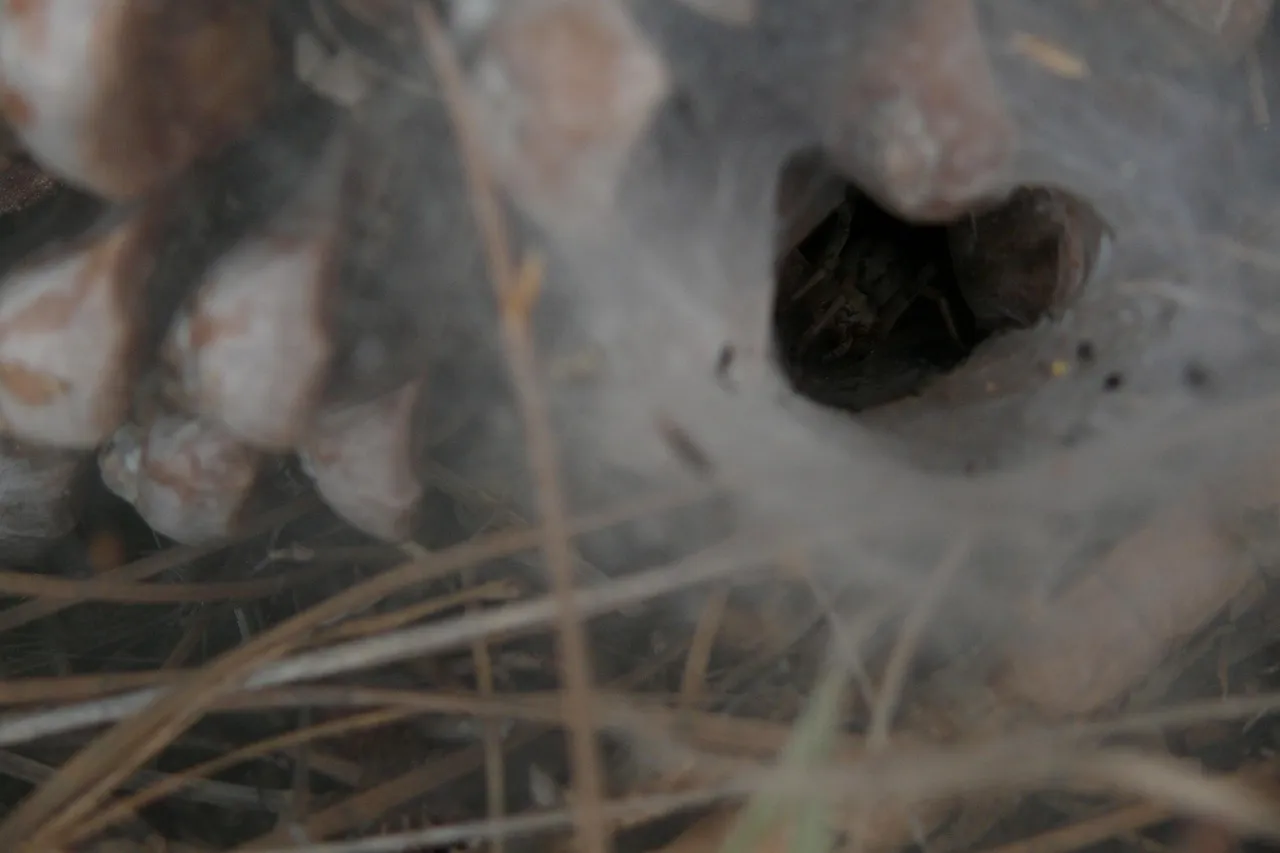
What is a Tarantula Spider
Tarantulas are large, hairy spiders belonging to the Theraphosidae family. These impressive arachnids are known for their size, with some species having leg spans that can reach over 10 inches. Found across the globe, from the Americas to Asia and Africa, tarantulas are a diverse group, with hundreds of different species. They are generally nocturnal hunters, using their keen senses to detect prey. Their fearsome appearance often belies their relatively mild venom, though a bite can still be painful. Understanding the basics of tarantulas provides a foundation for appreciating these fascinating creatures.
Appearance and Identification
Identifying a tarantula often starts with its physical characteristics. Typically, tarantulas have a large, robust body covered in hairs, which can vary in color from shades of brown and black to vibrant hues like blue and orange. They possess eight legs, each ending in two or three claws, which aid in climbing and gripping. Their chelicerae, or fangs, are prominent and used for injecting venom into prey. The body is divided into two main parts the cephalothorax (fused head and thorax) and the abdomen. Furthermore, they have spinnerets at the end of their abdomen for producing silk.
Size and Color Variations

Tarantulas exhibit a wide range of sizes. Some species, like the Goliath birdeater (Theraphosa blondi), are among the largest spiders in the world. They can have leg spans exceeding 10 inches and weigh over 6 ounces. Others, like the dwarf tarantulas, are much smaller. Coloration varies considerably among species. Some are drab browns and blacks, providing camouflage in their natural habitats. Others display striking colors, such as the vibrant blue of the Gooty sapphire ornamental or the orange of the Mexican fireleg. These colors may play a role in attracting mates or warning predators.
Habitat and Distribution
Tarantulas can be found in various habitats across the world. They thrive in tropical and subtropical regions, including rainforests, grasslands, and deserts. These spiders are native to the Americas, Africa, Asia, and Australia. They typically prefer warm, humid environments and live in burrows, under rocks, or in trees. Each species has its specific habitat preference, which influences its behavior and appearance. Understanding their habitat is crucial for studying their survival, reproduction, and distribution.
Where They Live
Tarantulas construct their homes in a variety of ways. Some species burrow underground, creating extensive tunnel systems. Others build webs in trees or under rocks. These shelters provide protection from predators, shelter from the elements, and a place to ambush prey. Their habitat choices depend on the species and the environmental conditions. For instance, desert tarantulas often burrow deep to escape the heat, while rainforest species may find shelter in the leaf litter or within tree trunks. These diverse habitats highlight the adaptability of these spiders.
Tarantula Spider Behavior

Tarantulas are generally solitary creatures, except during mating season. They spend most of their time in their burrows or hiding places, waiting for prey to come within striking distance. Their behavior is largely determined by their need to survive and reproduce. They are primarily nocturnal, becoming active during the night when temperatures are cooler. They are ambush predators, using their sensitive hairs (setae) to detect vibrations and movement, signaling the presence of potential prey.
Hunting and Diet
Tarantulas are carnivores, and their diet consists mainly of insects, such as crickets, grasshoppers, and beetles. Larger species may also prey on small vertebrates, including lizards, mice, and even small birds, hence the name ‘birdeater.’ They use their fangs to inject venom, which paralyzes the prey, and then inject digestive enzymes to liquefy the tissues, allowing them to suck up the nutrients. They don’t actively hunt but wait for their prey to come close enough to be ambushed. Their powerful fangs and potent venom make them formidable predators.
Venom and Bite
Although tarantulas are venomous, their venom is generally not considered deadly to humans. A tarantula bite can be painful, causing local symptoms like redness, swelling, and muscle cramps. However, allergic reactions can occur in some people. The severity of a bite depends on the species of tarantula, the amount of venom injected, and the individual’s sensitivity. Tarantulas will typically only bite if they feel threatened or provoked. They often display warning behaviors before biting, such as raising their front legs or flicking urticating hairs as a defense mechanism.
Lifespan and Growth

Tarantulas have relatively long lifespans compared to other spiders. Females can live for 20-30 years or even longer in captivity, while males typically live for 5-10 years. Their growth is an ongoing process, but they must molt to grow. They shed their exoskeleton periodically to allow for growth, revealing a new, larger one underneath. The frequency of molting depends on the age and growth rate of the spider. As tarantulas age, the molting process slows down, and the intervals between molts increase.
Molting Process
Molting is a crucial part of a tarantula’s life cycle. It involves the spider shedding its exoskeleton to allow for growth and to replace lost limbs or hairs. Before molting, the spider usually becomes less active, and its appetite decreases. The process can take several hours or even days. The tarantula will lie on its back, and the old exoskeleton will split open. It will then slowly pull itself out of the old shell. After molting, the tarantula is vulnerable and its new exoskeleton is soft, so it will hide and allow the new exoskeleton to harden.
Tarantula Spider Conservation
Many tarantula species face threats from habitat loss, deforestation, and the pet trade. As their natural habitats are destroyed, tarantulas lose their homes and food sources, leading to a decline in their populations. Some species are also collected for the pet trade, which can impact their numbers if not managed sustainably. Conservation efforts are focused on protecting their habitats and implementing responsible practices. Supporting conservation organizations and ethical pet ownership can help protect tarantulas for future generations.
Threats to Tarantulas

Tarantulas face a variety of threats. Habitat destruction is a major concern, as human development and deforestation reduce their living spaces. The pet trade, while legal for some species, can lead to overcollection and endangerment if not managed responsibly. Pesticide use can also harm tarantulas by contaminating their food sources or directly poisoning them. Climate change and its impacts on their habitats, such as changes in temperature and rainfall, add further stress on their populations. Addressing these threats requires global cooperation and dedicated conservation efforts.