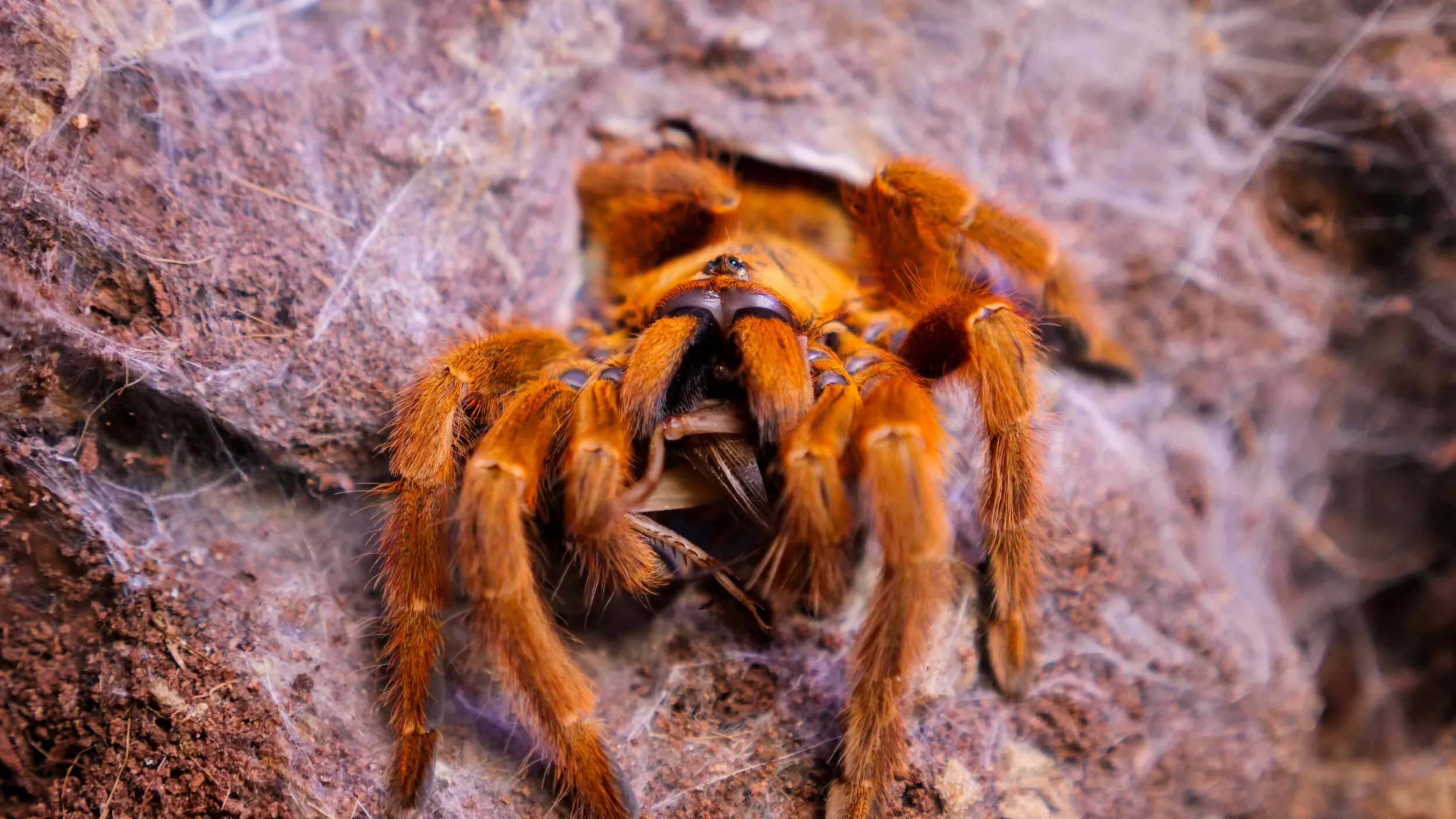
Caring for a tarantula spiderling can be a rewarding experience, offering a unique glimpse into the fascinating world of arachnids. These tiny creatures, the juvenile stage of the tarantula, require specific care to ensure they grow into healthy, thriving adults. This tarantula spiderling care sheet will provide you with the essential knowledge needed to give your spiderling the best possible start in life, covering everything from enclosure setup to feeding and problem-solving. With the right information and dedication, you can enjoy the privilege of observing these amazing animals.
Understanding Tarantula Spiderlings
Before diving into the specifics of care, it’s important to understand what tarantula spiderlings are. These are the juvenile stages of tarantulas, ranging in size from a few millimeters to a couple of centimeters, depending on the species and age. They are incredibly delicate and require a more specialized environment compared to adult tarantulas. Their small size means they are susceptible to environmental changes, making it crucial to provide a stable and controlled habitat. Understanding their vulnerability is the first step in providing proper care.
What is a Tarantula Spiderling
A tarantula spiderling is essentially a baby tarantula. They hatch from eggs and undergo a series of molts as they grow. During these molts, they shed their exoskeletons, revealing a new, larger one underneath. This process is essential for growth but also makes them particularly vulnerable. Spiderlings are generally more colorful and delicate than adult tarantulas, requiring extra attention and a carefully maintained environment. They are a significant investment, so careful planning and research are vital.
Appearance and Size of Spiderlings

The appearance of a tarantula spiderling varies greatly depending on the species. Some may have vibrant colors, while others exhibit a more muted palette. Their size is also variable, with some being only a few millimeters across at the time of hatching, while others may be closer to a centimeter or more. It is extremely important to correctly identify the type of tarantula you’re working with, as some species are more aggressive than others. Pay close attention to these details when setting up their enclosure and handling them.
Essential Equipment for Your Spiderling
Setting up the right enclosure is crucial for the well-being of your tarantula spiderling. The environment you create will directly impact its health, growth, and overall happiness. The correct equipment ensures that your spiderling has the right conditions to thrive. This includes selecting the correct enclosure, substrate, and providing appropriate water and humidity levels. Ensuring the enclosure is secure is also extremely important, as these spiders are excellent escape artists.
The Right Enclosure Setup
The enclosure for a tarantula spiderling should be appropriately sized for its current stage of growth. Too large of an enclosure can make it difficult for the spiderling to find its prey, while too small of an enclosure can restrict its movement and lead to stress. A clear, well-ventilated container with a secure lid is ideal. Plastic deli cups or small terrariums work well for spiderlings. Ensure the lid is secure to prevent escapes, which can be a big problem. The enclosure should also have enough space for substrate, a water source, and, if applicable, a hide. Proper ventilation is key.
Substrate Selection

The substrate is the bedding material that lines the bottom of the enclosure and serves several purposes, including providing a surface for the spiderling to walk on, helping to maintain humidity, and offering a place to burrow. The choice of substrate depends on the species of tarantula. For most species, a mix of coconut fiber and vermiculite is an excellent option. This mix holds moisture well and allows for burrowing. Avoid substrates that can mold easily or are treated with chemicals. The substrate should be deep enough for the spiderling to burrow, which is important for security and during molting. It is also important to replace the substrate every few months.
Providing Water and Humidity
Providing a consistent source of water and maintaining the correct humidity levels are essential for a tarantula spiderling’s health. A shallow water dish, such as a bottle cap, should always be available. Make sure to fill it with fresh, clean water. The humidity levels should be adjusted based on the needs of the species. Most tarantula spiderlings need a humidity level between 60-80%. This can be achieved by misting the enclosure with water a few times a week. Regular monitoring with a hygrometer is useful for maintaining the right levels.
Top 5 Care Tips for Tarantula Spiderlings
Now that you understand the basic setup, let’s get into the essential care tips for your tarantula spiderling. These tips cover feeding, humidity, temperature, handling, and cleaning, offering a comprehensive guide to keeping your spiderling healthy and happy.
Feeding Your Spiderling

Feeding your tarantula spiderling is crucial. Spiderlings need to eat regularly to grow and molt. Offer appropriately sized live insects, such as small crickets, fruit flies, or pre-killed mealworms. The frequency of feeding depends on the spiderling’s age and species. As a general guideline, feed spiderlings 2-3 times a week, removing any uneaten prey within 24 hours to prevent stress and potential injury to the spiderling. The size of the prey is also important, as they can be easily injured by larger insects. A spiderling’s abdomen should be plump after a meal.
Maintaining Proper Humidity Levels
Humidity is critical for the health of your spiderling, especially during molting. Use a hygrometer to monitor humidity levels. Most species thrive in a humidity range of 60-80%. Achieve this by misting the enclosure with water a few times a week, depending on the ventilation and substrate used. Make sure that the substrate is moist but not saturated, as this can lead to mold and other problems. Proper humidity helps the spiderling shed its exoskeleton properly during molting. Ensure good air circulation to prevent the buildup of stagnant, humid air.
Temperature Control
Tarantulas are ectothermic, meaning they rely on external sources of heat to regulate their body temperature. The enclosure should be kept at a temperature appropriate for the species, typically between 75-85°F (24-29°C). Use a thermometer to monitor the temperature. Avoid placing the enclosure in direct sunlight or near heat sources that can overheat the spiderling. In cooler environments, you might need to use a heat mat placed on the side of the enclosure, but make sure the heat is regulated and doesn’t overheat the enclosure. Keep an eye on the spiderling’s behavior for signs of overheating or cold.
Handling Your Spiderling

Handling a tarantula spiderling is generally not recommended, as they are very fragile and can be easily injured. While some species are more docile than others, all tarantulas can bite, and their venom can cause localized pain and discomfort. The risk of dropping the spiderling is high, and even a short fall can be fatal. Observe your spiderling from the outside and avoid unnecessary handling to keep it safe. If you must handle a spiderling, do so very carefully and over a soft surface, using a paintbrush to gently guide it.
Cleaning and Maintenance
Regular cleaning and maintenance are crucial for a healthy environment. Spot clean the enclosure regularly by removing uneaten food and any visible waste. Replace the substrate every few months, or sooner if it becomes soiled or moldy. Clean the water dish frequently and replace the water with fresh water. Keep the enclosure free of mold, which can harm your spiderling. Careful maintenance minimizes the risk of health problems and ensures a clean and healthy habitat. Cleanliness contributes significantly to the overall health and happiness of the spiderling.
Common Issues and Solutions
Even with the best care, tarantula spiderlings can sometimes encounter health issues. Understanding these common problems and how to address them is important for responsible pet ownership.
Moulting Process

Moulting is a natural process where the spiderling sheds its exoskeleton to grow. During this time, the spiderling is extremely vulnerable. The spiderling will usually stop eating and may flip onto its back. Provide a calm, humid environment and avoid disturbing the spiderling. Do not feed the spiderling for a week or two after moulting, until their new exoskeleton hardens. The moulting process is essential for their growth and health.
Dealing with Refusal to Eat
Spiderlings may occasionally refuse to eat. This can be due to stress, an upcoming molt, or unsuitable prey. First, ensure that the enclosure conditions are correct. Check the temperature, humidity, and overall environment. If the spiderling is about to molt, it is normal to refuse food. Try offering different types of prey. If the refusal continues for an extended period, consult an experienced tarantula keeper or veterinarian specializing in exotic animals to rule out any underlying health issues. Don’t panic immediately; spiderlings can go weeks without food.
Recognizing and Addressing Illness
Recognizing signs of illness is important for the health of your tarantula spiderling. Signs of illness may include lethargy, loss of appetite, unusual posture, or a change in appearance. If you notice any of these symptoms, carefully assess the enclosure conditions, ensuring the temperature and humidity are correct. Consult an experienced tarantula keeper or a veterinarian specializing in exotic animals. Early intervention is important for treating any potential health problems. Regular observation and knowledge of your spiderling’s normal behavior will help you quickly spot any issues.
Caring for a tarantula spiderling requires dedication, patience, and knowledge. By following this care sheet and providing the right environment, you can help your spiderling thrive and witness the fascinating life cycle of these captivating creatures. Enjoy the journey of caring for your new pet.