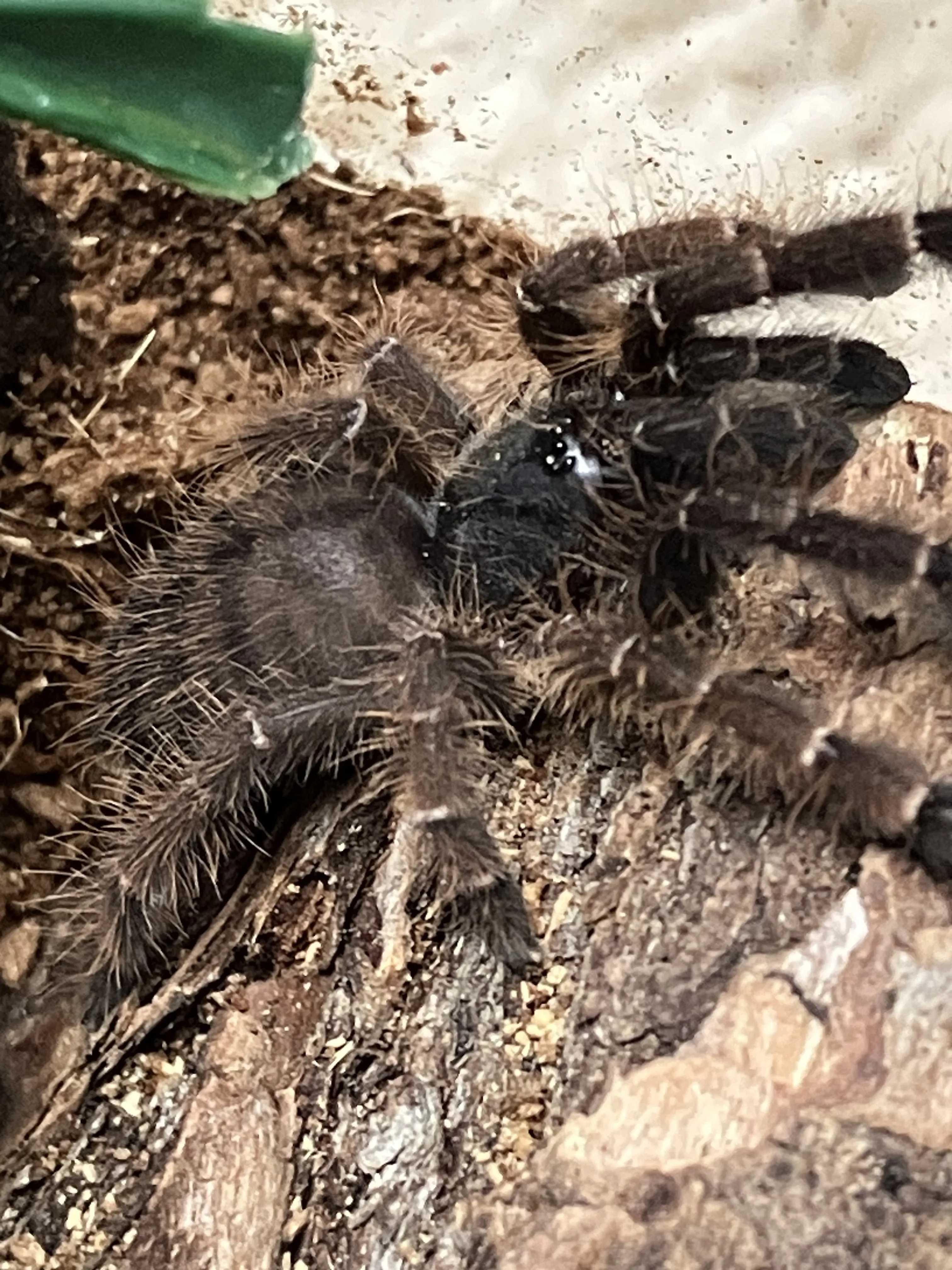
Understanding Tarantula Spiderlings
Tarantula spiderlings, the miniature versions of the majestic tarantulas, captivate many with their delicate beauty and the responsibility of nurturing these tiny creatures. Raising tarantula spiderlings can be a rewarding experience, allowing you to witness their growth and development. However, their small size and vulnerability require careful attention to their specific needs. This comprehensive guide will walk you through every aspect of tarantula spiderling care, ensuring you provide the best possible environment for them to thrive. From understanding their basic biology and habitat requirements to feeding and handling practices, this article offers detailed insights into responsible tarantula spiderling ownership, setting you on the path to becoming a proficient and caring keeper.
What are Tarantula Spiderlings
Tarantula spiderlings are essentially baby tarantulas, representing the early stages of their life cycle. They are significantly smaller than adult tarantulas, making their care uniquely challenging. Spiderlings are much more fragile and susceptible to environmental fluctuations, requiring a carefully controlled habitat. Their appearance varies greatly depending on the species, but generally, they share the same basic characteristics as their adult counterparts — eight legs, two body segments (cephalothorax and abdomen), and chelicerae (fangs). Understanding what a tarantula spiderling is helps you appreciate their specific needs and the crucial role you play in their survival and growth. The size and delicate nature of these spiderlings mean their needs are different from those of mature tarantulas, from the size of their enclosure to their food requirements.
Lifecycle of Tarantulas

Understanding the lifecycle of a tarantula provides valuable insights into their care. Tarantulas go through several molts, shedding their exoskeletons as they grow. Spiderlings molt more frequently than adults. Each molt is a critical period when they are particularly vulnerable. After hatching from their eggs, spiderlings go through several molts before reaching adulthood. The frequency of molting decreases as they mature. Knowing the stage of development helps you assess their needs, such as enclosure size and food quantity. The molting process itself is a fascinating event. The spiderlings can appear lethargic and may refuse food for a while before molting. Providing a safe and stable environment during this period is essential for their survival and healthy growth. This process is a good indicator of their health and development.
Choosing the Right Tarantula Spiderling
Selecting the right tarantula spiderling is a crucial step in providing adequate care. The choice involves considering the species’ temperament, ease of care, and your experience level. Some species are more docile and beginner-friendly, while others may be more defensive or have specific care requirements. It is important to research the species thoroughly before bringing a spiderling home. This research helps understand its natural habitat, dietary needs, and potential size when it reaches adulthood. Considering these factors ensures a suitable match for your experience and the resources you can provide. A well-informed choice reduces the risk of encountering unexpected challenges and contributes to the spiderling’s well-being. Before acquiring a spiderling, consult with experienced keepers or breeders to gain valuable insights and advice.
Consider Species and Temperament
Different tarantula species exhibit various temperaments, which is crucial when choosing a spiderling. Some species, such as the Chilean Rose Hair (Grammostola rosea), are known for their docile nature and are often recommended for beginners. These species are less likely to bite or flick urticating hairs (tiny, irritating hairs used for defense). On the other hand, some Old World species, like the Indian Ornamental (Poecilotheria regalis), are known to be more defensive, quicker to bite, and require more experienced handling. Researching the temperament of the species you are considering is essential to ensure a safe and enjoyable experience. This also includes understanding their defensive behaviors and how to react calmly to minimize stress for both you and the spiderling.
Researching Available Species

Before acquiring a tarantula spiderling, thorough research is vital. Explore different species, their characteristics, and care requirements. Look into their natural habitats, which helps you replicate their living conditions effectively. Learn about their feeding habits, growth rates, and potential adult size. Several online resources, forums, and books provide detailed information about different tarantula species. Breeders and experienced keepers can also offer valuable insights and guidance. Understanding the specifics of each species, its habitat needs, and potential challenges helps you provide the best possible care. This research allows you to make an informed decision, ensuring the spiderling’s well-being and matching your experience level to the specific needs of the species.
Setting Up the Ideal Habitat
Creating a proper habitat is fundamental to the health and well-being of your tarantula spiderling. The setup must meet the spiderling’s specific needs in terms of space, substrate, humidity, and temperature. A well-designed habitat replicates its natural environment, providing security, comfort, and opportunities for natural behaviors. This setup also reduces the chances of stress and illness. A correct setup promotes the spiderling’s overall health and supports its development. It allows you to observe its behaviors and recognize any potential problems early. The following sections provide guidance on selecting an appropriate enclosure, choosing the right substrate, and creating a comfortable, species-appropriate environment.
Enclosure Size and Type
The enclosure’s size and type must be suitable for the tarantula spiderling’s size and species. For spiderlings, small, clear plastic containers or deli cups with secure lids are ideal. The enclosure should be large enough for the spiderling to move around comfortably, but not too large, which can make it difficult for the spiderling to find its food. As the spiderling grows, you’ll need to upgrade to a larger enclosure. The enclosure should have good ventilation to prevent the build-up of humidity, which could encourage mold growth. Ensure the enclosure is escape-proof; tarantulas are surprisingly adept at escaping. Consider front-opening enclosures as your spiderling grows, as they offer better accessibility. The enclosure must be easy to clean, which is important for the health of the spiderling.
Substrate Selection
The substrate provides the foundation for the spiderling’s habitat, providing both comfort and humidity regulation. For most species, a substrate that retains moisture but allows for good ventilation is essential. Popular choices include a mix of peat moss, vermiculite, and coconut fiber. The substrate should be deep enough for burrowing species to create tunnels or for terrestrial species to feel secure. Avoid substrates that are too dusty or that can harbor mites. The substrate should also be non-toxic and easy to clean. Ensure the substrate is replaced regularly to prevent the build-up of waste and the development of harmful bacteria. Regularly monitoring the substrate’s moisture level is essential, as it helps maintain proper humidity levels within the enclosure. This is essential for the tarantula’s health.
Providing Shelter and Decor
Shelter is critical for tarantula spiderlings, offering a sense of security and a place to retreat. Provide a hide, such as a half-log, cork bark, or a small plant pot. The hide should be appropriately sized for the spiderling to feel snug inside. Adding some decor, such as artificial plants or a few small rocks, can create a more naturalistic environment and provide enrichment. Ensure any decor items are securely placed and won’t tip over or pose a hazard to the spiderling. The enclosure should not be overcrowded, as this can stress the spiderling. Clean decor regularly to prevent the build-up of mold or other contaminants. These additions will enrich the spiderling’s life and provide it with a comfortable environment.
Maintaining Proper Humidity and Temperature
Maintaining the correct humidity and temperature levels is crucial for the health and well-being of your tarantula spiderling. These environmental factors directly impact the spiderling’s ability to molt successfully, stay hydrated, and avoid health problems. Regular monitoring and adjustments are necessary to ensure that these conditions remain optimal. The specific requirements vary by species, so researching your species’ needs is essential. Investing in reliable tools, such as a hygrometer and thermometer, is also beneficial. Careful attention to humidity and temperature is one of the most important aspects of tarantula spiderling care. This helps to replicate their natural environment and promotes healthy development and molting. Incorrect humidity and temperature can lead to serious health issues.
Monitoring Humidity Levels

Humidity levels should be monitored regularly to ensure they fall within the species’ requirements. Use a hygrometer to measure the humidity in the enclosure. The humidity levels can be adjusted by misting the enclosure, providing a water dish, or adjusting the ventilation. Avoid over-misting, which can lead to mold growth. The amount of ventilation should be adjusted based on the humidity levels needed by your particular species. Regularly monitoring and adjusting humidity ensures the spiderling’s health. Humidity levels are crucial during the molting process. Low humidity can cause the spiderling to struggle to molt, which can be fatal. High humidity can lead to fungal growth, which can also be dangerous.
Temperature Control Techniques
Maintaining the correct temperature range is vital for the spiderling’s metabolism and overall health. Most tarantula species thrive at temperatures between 75-80°F (24-27°C). Use a thermometer to monitor the temperature within the enclosure. If the temperature is too low, consider using a heat mat or ceramic heat emitter, but ensure they are regulated to avoid overheating. Make sure to place the heat source on the side of the enclosure, not directly under it, to prevent dehydration. Avoid direct sunlight and drafts, as they can cause temperature fluctuations. Temperature variations may stress the spiderling. Monitoring and controlling the temperature helps the spiderling digest food properly and remain active. The correct temperature range promotes healthy growth and successful molting.
Feeding Your Tarantula Spiderling
Proper feeding is essential for the growth and development of your tarantula spiderling. They require a diet that meets their nutritional needs. Feeding practices should be tailored to the spiderling’s size and the species’ specific requirements. Careful monitoring of the spiderling’s feeding habits and appetite provides valuable insights into its health and well-being. Understanding the dietary needs of your tarantula spiderling is important to ensure their growth and vitality. This includes choosing the right food, determining the appropriate feeding frequency, and adjusting the amount of food provided. An appropriate feeding schedule allows the spiderling to thrive. Overfeeding can cause the spiderling to become obese and potentially shorten its lifespan. Conversely, underfeeding can lead to stunted growth and health problems.
Choosing the Right Food
The appropriate food for tarantula spiderlings typically includes live insects, such as flightless fruit flies, pinhead crickets, or small mealworms. The size of the prey should be no larger than the spiderling’s abdomen. It is best to avoid feeding wild-caught insects, as they could carry parasites or pesticides. You can find feeder insects at most pet stores specializing in reptiles or arachnids. Ensure the feeder insects are properly gut-loaded before feeding them to your spiderling. Gut-loading involves feeding the insects a nutritious diet, which provides the spiderling with more vitamins and minerals. The nutritional value of food directly impacts the spiderling’s health and growth. The choice of food depends on the spiderling’s size and species. Avoid feeding insects that are too large for the spiderling, which can pose a threat.
Feeding Frequency and Amount
The feeding frequency should be based on the spiderling’s age and growth rate. Spiderlings often have a higher metabolism and require more frequent feeding than adults. Generally, feed spiderlings every 2-3 days, offering one or two appropriately sized insects. Observe the spiderling’s behavior; if it is consistently refusing food, reduce the feeding frequency. Remove any uneaten prey within 24 hours to prevent them from stressing or harming the spiderling. Provide fresh food as needed, and avoid overfeeding. The feeding amount varies depending on the species and the spiderling’s appetite. A well-fed spiderling will have a plump abdomen, which is a sign of good health. Adjust the feeding frequency and amount based on the spiderling’s activity level and the speed at which it is growing.
Watering and Hydration
Providing access to fresh water is crucial for maintaining the health of your tarantula spiderling. Adequate hydration supports its bodily functions, molting process, and overall well-being. Access to water also helps prevent dehydration, which is a serious health threat. The proper hydration methods vary based on the species and environmental conditions. Ensure the water source is clean and easily accessible. Monitoring and adjusting water provisions is key to avoiding health issues. The spiderling’s health directly correlates to proper hydration. Water supports bodily functions and the molting process. Dehydration can lead to critical conditions, so providing a constant source of clean water is essential. Water needs will change with the spiderling’s growth and the enclosure environment.
Providing Fresh Water

Provide a shallow water dish with fresh, clean water. The water dish should be small enough to prevent the spiderling from drowning. Use a sponge or pebbles in the dish if you are concerned about drowning. Replace the water regularly, at least every other day, to prevent contamination. Another approach is to mist the enclosure lightly, providing droplets for the spiderling to drink from. The best method depends on the species’ needs and the enclosure environment. Regardless of the method, ensuring the spiderling has access to water is essential for its survival. Clean and fresh water prevents the risk of infection. Regularly changing the water provides an easy and effective hydration method. The goal is to make water easily available.
Recognizing Signs of Dehydration
Recognizing the signs of dehydration is critical. A dehydrated spiderling may appear lethargic, with a shrunken abdomen. They may also have difficulty walking or moving. If you notice any signs of dehydration, immediately provide fresh water or mist the enclosure. If dehydration is severe, consult with a veterinarian specializing in exotic animals. Early detection is essential to prevent serious health problems. Be aware of the signs of dehydration, like lethargy or a shrunken abdomen. Early intervention can make a significant difference in the spiderling’s health. Dehydration is a serious condition, which can lead to molting problems. Regularly monitoring the spiderling and being aware of possible symptoms is crucial.
Handling and Safety Precautions
Handling your tarantula spiderling should be approached cautiously and with proper safety measures. While many tarantulas are docile, spiderlings are fragile, and mishandling can lead to injury or stress. Handling is not always necessary for the well-being of your spiderling. Observing the spiderling in its enclosure is the best way to appreciate it. Handling should only be done when necessary, such as for enclosure maintenance or health checks. This requires careful consideration to minimize stress and risks. Handling is not always required for proper care. It’s crucial to approach this activity with a clear understanding of the spiderling’s species and temperament. Improper handling can lead to the spiderling dropping or running away, making it vulnerable to harm.
When to Handle

Limit handling to essential situations, such as cleaning the enclosure or performing health checks. Avoid handling during or immediately after molting, as the spiderling’s exoskeleton is soft and vulnerable. Observe the spiderling’s behavior and avoid handling it if it appears stressed or defensive. If you do handle the spiderling, do so close to the ground or over a soft surface, in case it falls. Ensure the spiderling feels secure and supported. Always wash your hands before and after handling to prevent contamination. When handling, be calm and slow to avoid startling or distressing the spiderling. Frequent handling is not typically necessary for their well-being, and excessive handling can cause stress.
Safety Measures
When handling a tarantula spiderling, always exercise caution and take safety measures to protect both you and the spiderling. Handle the spiderling gently and avoid sudden movements or loud noises. Keep the spiderling close to the ground or over a soft surface, like a bed or couch. If you’re not comfortable handling it, consider using a soft brush or cup to gently move the spiderling. Wash your hands before and after handling the spiderling. Ensure no pets or children are near during handling. Being prepared and calm minimizes the risk of injuries. Avoid squeezing or grabbing the spiderling, as this can cause injury. Always be aware of the spiderling’s potential defensive behaviors, such as flicking hairs or biting. Use a soft brush to gently guide the spiderling if necessary. This helps prevent unwanted actions.
Common Health Issues and Prevention
Tarantula spiderlings can be susceptible to certain health issues. Recognizing potential problems early and taking preventative measures is critical to ensure their long-term health and well-being. The most common health concerns include mold, fungal growth, and mite infestations. Preventing these issues involves creating a clean and well-maintained environment, ensuring proper hygiene, and providing appropriate care. Regular observation of your spiderling is also essential, as it allows you to detect early signs of any problems. Taking preventative measures ensures a healthy and thriving spiderling. The health of your spiderling is dependent on your ability to create an ideal environment and quickly respond to any potential issues.
Preventing Mold and Fungal Growth
Mold and fungal growth can be detrimental to your spiderling’s health. Preventing mold and fungus involves maintaining proper humidity levels, ensuring good ventilation, and regular cleaning. Avoid over-misting the enclosure, as excessive moisture can promote mold growth. Remove any uneaten food and waste promptly. Clean the enclosure regularly, removing and replacing the substrate. Inspect the enclosure frequently for any signs of mold. Consider using springtails or isopods in the enclosure, which can help control mold and other organic waste. Regularly cleaning and maintaining the enclosure is a core aspect of tarantula spiderling care. This ensures a healthy environment, limiting the likelihood of mold and fungal growth. These preventative methods safeguard the spiderling from potentially hazardous conditions.
Recognizing and Addressing Mites
Mite infestations can be harmful to your tarantula spiderling. Recognizing and addressing a mite infestation early is crucial. Mites are tiny parasites that can attach themselves to the spiderling and feed on its hemolymph (spider blood). Signs of a mite infestation include small, moving specks on the spiderling or in the enclosure. If you suspect a mite infestation, isolate the spiderling in a clean enclosure. Replace the substrate and clean the enclosure thoroughly. You can also try to use mite treatments specifically designed for arachnids. Consulting with a veterinarian specializing in exotic animals is essential if the infestation is severe. Early detection and quick action can help prevent severe health issues. Regularly examine the spiderling for any unusual activity. This will allow early detection of mites.
Conclusion
Caring for tarantula spiderlings requires dedication, patience, and a deep understanding of their specific needs. By providing the right habitat, maintaining proper humidity and temperature, feeding appropriately, and observing your spiderling regularly, you can create a thriving environment for these fascinating creatures. Remember to research your species, choose a reputable source, and handle your spiderling with care. With the right knowledge and commitment, raising a tarantula spiderling can be a rewarding experience. Providing the best possible care ensures your spiderling’s health and a long and fulfilling life. Becoming a responsible tarantula keeper allows you to enjoy the beauty and intrigue of these amazing arachnids.