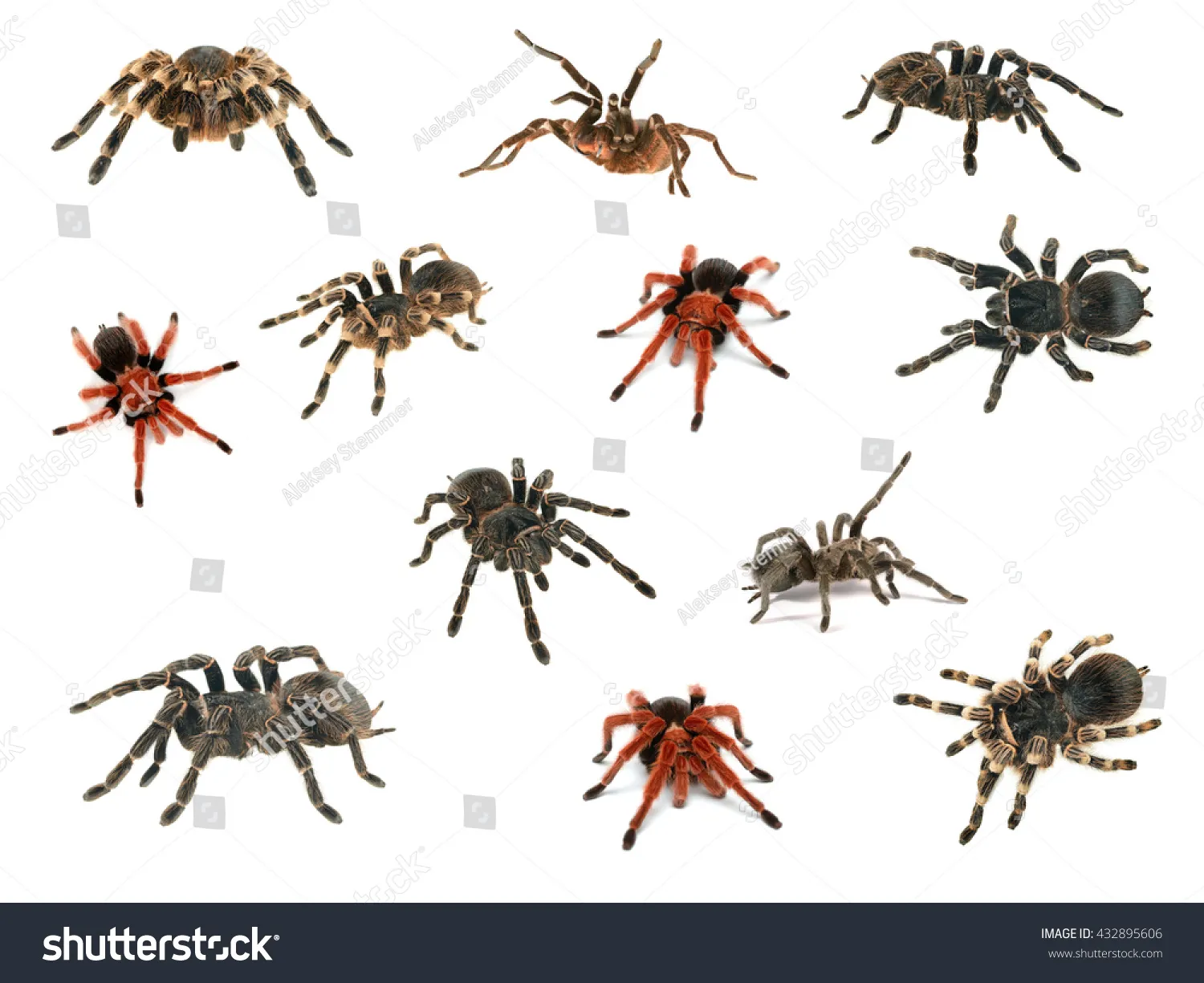
Tarantula Spiders Top 5 Amazing Facts!
Tarantulas, with their hairy legs and imposing size, often evoke a mix of fascination and fear. But beyond their intimidating appearance lies a world of incredible facts, unique adaptations, and ecological importance. These fascinating arachnids are more than just creepy crawlies; they’re complex creatures with surprising attributes. From their remarkable lifespans to their ability to regenerate limbs, tarantulas showcase the wonders of the natural world. This article delves into five amazing facts about tarantula spiders, shedding light on their biology, behavior, and the essential role they play in our ecosystems. Prepare to be amazed by the secrets of these eight-legged wonders, and gain a new appreciation for these often-misunderstood creatures. Uncover the truth behind their reputation and discover the incredible world of tarantula spiders.
Fact 1 Tarantulas Can Live a Long Time
One of the most astounding facts about tarantulas is their remarkable longevity. Unlike many other insects and arachnids, some tarantula species can live for decades. This extended lifespan is a testament to their robust physiology and slow metabolic rate. Female tarantulas, in particular, tend to outlive their male counterparts. While the exact lifespan varies depending on the species and environmental conditions, it’s not uncommon for females to live for 20 to 30 years or even longer in some cases. This longevity makes them a long-term commitment for any enthusiast who chooses to keep them as pets. The lifespan of male tarantulas is typically much shorter, often only a few years after reaching maturity. They often die shortly after mating.
Lifespan of Different Tarantula Species

Different tarantula species exhibit varying lifespans. The larger species, such as the Goliath Birdeater (Theraphosa blondi), are known for their longer lifespans, with females potentially living for up to 25 years or more. Smaller species, on the other hand, may have shorter lifespans, but they still live much longer than most other insects. The common Chilean Rose tarantula (Grammostola rosea) is another popular species known for its relatively long lifespan, often living for over 10 years. The specific environmental conditions in which they live also play a role in their lifespan. Providing proper care, including a suitable habitat, proper temperature and humidity levels, and a nutritious diet, is crucial for maximizing a tarantula’s longevity. Species like the Pamphobeteus antinous are also known for their long lives.
Factors Affecting Tarantula Lifespan
Several factors can significantly affect a tarantula’s lifespan. Genetics play a primary role; some species are simply predisposed to longer lives. Proper care, including a balanced diet, appropriate temperature and humidity, and a stress-free environment, is crucial. A poor diet or inadequate housing can significantly shorten a tarantula’s lifespan. Furthermore, the tarantula’s gender has a significant impact. Male tarantulas typically live much shorter lives than females. This is due to the fact that males often die shortly after reaching maturity and mating. Environmental stressors, such as exposure to toxins, or extreme temperature fluctuations can also negatively affect their lifespan. As a result, understanding and managing these factors is key to promoting a long and healthy life for your tarantula.
Fact 2 Tarantulas Possess Venom
Tarantulas are venomous creatures, and their venom serves a crucial purpose in their survival. The venom is primarily used for two key functions to subdue their prey and defend themselves against predators. While all tarantulas possess venom, the potency varies between species. Contrary to popular belief, tarantula venom is generally not considered lethal to humans. The effects of a tarantula bite on humans are usually similar to a bee sting, causing localized pain, redness, and swelling. In rare cases, individuals with allergies may experience more severe reactions. The venom’s composition is complex and contains various enzymes and toxins that work together to paralyze or kill their prey, which typically includes insects, small invertebrates, and sometimes even small vertebrates.
The Purpose and Effects of Tarantula Venom

The primary purpose of tarantula venom is to paralyze or kill prey. When a tarantula bites its prey, the venom is injected into the body, quickly immobilizing the victim. This allows the tarantula to safely consume its meal without risking injury. The effects of the venom vary depending on the species of tarantula and the size of the prey. For insects, the venom often causes immediate paralysis. In larger prey, the venom might take longer to take effect, but the ultimate result is the same – the prey becomes incapacitated, allowing the tarantula to feed. The venom also aids in the digestion process, by starting to break down the tissues of the prey. While the venom is potent for prey, it generally poses little to no serious threat to humans, unless an allergic reaction occurs.
Venom Strength of Different Tarantula Types
The potency of tarantula venom varies significantly among different species. Some species have relatively mild venom, causing only mild localized pain and discomfort in humans. Others have venom that is considered to be more potent. However, even the most potent tarantula venom is rarely life-threatening to humans. Research suggests that the venom of New World tarantulas, which includes species from North and South America, is generally less potent than that of Old World tarantulas, which are found in Asia, Africa, and Australia. However, it’s essential to remember that individual reactions to venom can vary. Those with allergies, or those bitten by a large specimen, might experience more severe symptoms. The effects of a bite can be influenced by the amount of venom injected, the location of the bite, and the individual’s overall health.
Fact 3 Tarantulas Come in Diverse Colors and Sizes
Tarantulas exhibit an impressive array of colors and sizes, showcasing the diversity within this arachnid group. From the vibrant blues of the Cobalt Blue tarantula to the striking patterns of the Brazilian White Knee, the color variations are truly remarkable. These colors often serve various purposes, including camouflage, mating displays, and warning signals. The size of tarantulas can range dramatically, from relatively small species like the Trinidad Olive tarantula to the massive Goliath Birdeater, which can have a leg span of over 10 inches. This diversity in size and coloration highlights the adaptability and evolution of tarantulas across different environments and ecological niches. The colors and sizes also depend on a multitude of environmental factors and genetic traits.
Examples of Colorful Tarantula Species
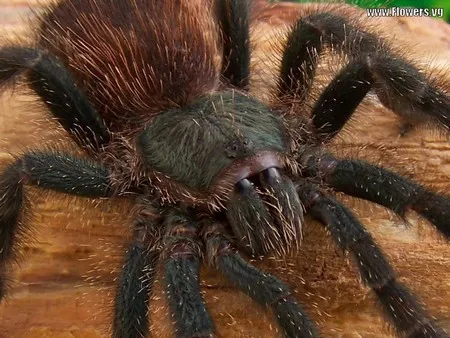
Several tarantula species are renowned for their striking coloration. The Cobalt Blue tarantula (Cyriopagopus lividus) is famous for its electric blue legs and body. The Brazilian White Knee tarantula (Acanthoscurria geniculata) is characterized by its contrasting black and white patterns on its legs. The Greenbottle Blue tarantula (Chromatopelma cyaneopubescens) displays a mix of green, blue, and orange hues. These vibrant colors not only make these tarantulas visually stunning but also play a role in their survival. For example, some colors may serve as camouflage, allowing them to blend with their surroundings, while others may be used in mating rituals to attract mates. There are also the Gooty Sapphire Ornamental, and the vibrant colors provide a unique beauty to these animals.
Factors Influencing Tarantula Size
The size of a tarantula is influenced by a number of factors. Genetics play a primary role; some species are simply genetically predisposed to be larger than others. Nutrition and diet are also critical. A tarantula that receives a consistent, high-quality diet will typically grow larger than one that doesn’t. Environmental factors, such as temperature and humidity, can also impact growth. Proper care, including appropriate habitat conditions and ample food, is essential for a tarantula to reach its full size potential. Additionally, the frequency of molting, the process by which a tarantula sheds its exoskeleton, can also affect its size. Each molt allows for growth, with the size increasing with each successive molt. The Goliath Birdeater is the largest tarantula in the world.
Fact 4 Tarantulas Can Regenerate Lost Limbs
One of the most fascinating abilities of tarantulas is their capacity to regenerate lost limbs. This remarkable process, known as autotomy and regeneration, allows these arachnids to survive injuries and adapt to various challenges. If a tarantula loses a leg, either due to an injury, or a predator attack, or during a molt, it can regrow a new one over time. The regrowth process can take several molts, but eventually, the tarantula will have a fully functional limb again. This regenerative ability is a crucial survival mechanism, allowing tarantulas to maintain their mobility, hunt effectively, and defend themselves against threats. This ability underscores the remarkable resilience and adaptability of these creatures. This is one of their key survival mechanisms.
The Process of Tarantula Limb Regeneration
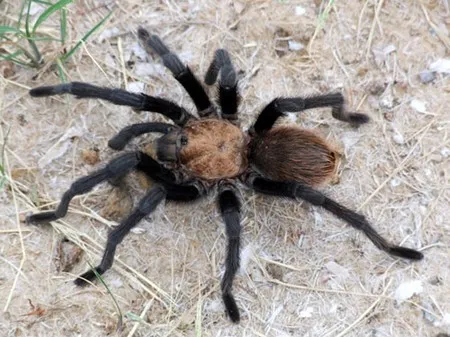
The process of tarantula limb regeneration is a complex biological feat. When a tarantula loses a leg, the wound seals to prevent blood loss and infection. The tarantula then initiates a process that leads to the formation of a new limb. This regeneration occurs during the molting process, where the tarantula sheds its exoskeleton. The new limb starts as a small bud inside the old exoskeleton. After the molt, the new leg gradually grows with each subsequent molt, becoming fully functional over several molts. The new limb may not be as large or as strong as the original. However, it allows the tarantula to regain mobility and function, enabling them to hunt and survive. The process is a marvel of biological adaptation.
Limitations of Limb Regeneration in Tarantulas
While tarantulas possess the remarkable ability to regenerate lost limbs, there are limitations. The ability to regenerate diminishes as a tarantula ages. Younger tarantulas, especially juveniles, are generally more successful at limb regeneration than older ones. This may be linked to the tarantula’s metabolic rate. The condition of the tarantula also impacts regeneration. Poor health or inadequate care can hinder the regeneration process. Furthermore, the regeneration process may not always be perfect. Sometimes, the regenerated limb may be slightly smaller, weaker, or have a slightly different appearance. Moreover, the regeneration process requires energy and resources, and multiple lost limbs can place a significant strain on the tarantula’s health.
Fact 5 Tarantulas Play a Vital Role in Ecosystems
Tarantulas play an essential role in their ecosystems. As predators, they help control populations of insects and other invertebrates. By consuming large numbers of these creatures, tarantulas help maintain the balance within their habitats. They also serve as prey for other animals, further integrating them into the food web. Their presence influences the structure and function of their ecosystems. Tarantulas also contribute to nutrient cycling, by breaking down organic matter. They play a role in maintaining ecosystem health and stability. They are a crucial part of the food web in their ecosystems.
Tarantulas as Predators and Prey

Tarantulas are primarily predators, feeding on a variety of prey. Their diet mainly consists of insects, but they also eat other invertebrates, and sometimes small vertebrates, such as lizards and small rodents. Tarantulas are ambush predators, waiting patiently for prey to come within striking distance. They then use their fangs to inject venom and paralyze or kill their prey. The tarantula’s position in the food chain, however, is not just that of a predator. They also serve as prey for larger animals, including birds, snakes, lizards, and mammals. Their presence influences the dynamics of predator-prey relationships within their ecosystems, impacting population sizes of various species. The role of predator and prey is critical to the balance of the ecosystem.
The Impact of Tarantulas on Insect Populations
Tarantulas exert significant influence on insect populations within their habitats. By consuming large numbers of insects, they help to regulate the size of these populations, preventing them from becoming too abundant. This is particularly important for species that might otherwise become pests. The predation by tarantulas can also influence the behavior and distribution of insect species. Insects may evolve defensive strategies to avoid being eaten by tarantulas, leading to changes in their behavior and survival. Additionally, the presence of tarantulas contributes to the overall biodiversity of an ecosystem. They help maintain a balance between different species, preventing any single species from dominating the habitat. Without tarantulas, the balance of insect populations would be disrupted.