Tarantula Spiders: Top 7 Fascinating Facts
Tarantulas, with their imposing size and often hairy appearance, have captivated and, in some cases, frightened humans for centuries. These arachnids are not only fascinating creatures but also play a vital role in their ecosystems. From their unique hunting strategies to their surprisingly docile nature, tarantulas offer a wealth of interesting facts. This article unveils seven captivating facts about tarantula spiders, shedding light on their biology, behavior, and place in the natural world. Prepare to be amazed by these intriguing arachnids.
What are Tarantulas?
Tarantulas are large, hairy spiders belonging to the Theraphosidae family. They are found in various habitats worldwide, primarily in tropical and subtropical regions. Unlike many other spider species, tarantulas are known for their relatively long lifespans, with some females living for over 20 years. These spiders are nocturnal hunters, typically preying on insects, but larger species may also consume small vertebrates like lizards and mice. Their size, coupled with their often vibrant colors, makes them a popular choice for pet owners, though responsible care is essential. A basic understanding of their characteristics is the first step in appreciating these amazing creatures. Image: tarantula-spider-overview.webp
Appearance and Physical Characteristics

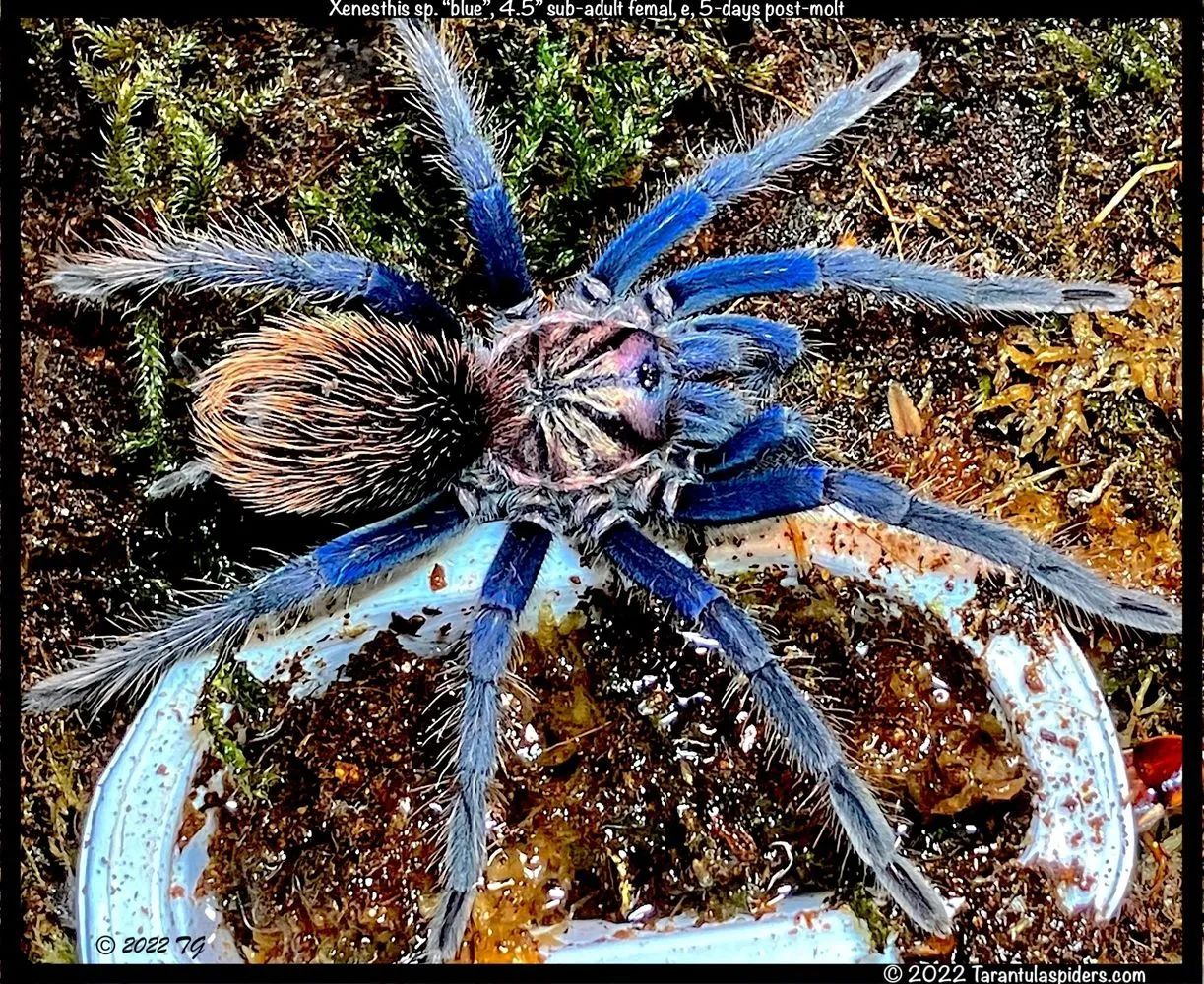
Tarantulas are easily recognizable due to their large size and distinctive hairy bodies. Their size varies greatly depending on the species, with some reaching a leg span of over 12 inches. They have eight legs, two chelicerae (fangs), and pedipalps, which are used for sensing and manipulating prey. Their bodies are divided into two main parts: the cephalothorax (fused head and thorax) and the abdomen. The coloration of tarantulas ranges widely, from earthy browns and blacks to vibrant blues, oranges, and reds, providing excellent camouflage in their environments. These features collectively define the unique and often intimidating look of a tarantula. Image: tarantula-spider-close-up.webp
Size and Lifespan
Tarantulas exhibit a remarkable range in size, with some species being relatively small while others are among the largest spiders in the world. The size of a tarantula is usually measured by its leg span, the distance from the tip of one leg to the tip of the opposite leg. In terms of lifespan, tarantulas can live for many years. Female tarantulas generally live much longer than males, with some females living for over 20 years in captivity. Male tarantulas, on the other hand, typically mature faster and have a shorter lifespan, often only living for a few years after reaching adulthood. The longevity of tarantulas is an interesting aspect of their biology, setting them apart from many other spider species.
Where Do Tarantulas Live?
Habitat and Distribution

Tarantulas inhabit a wide variety of habitats across the globe. They are primarily found in tropical and subtropical regions, where warm temperatures and ample food sources are available. These spiders can be found in rainforests, grasslands, deserts, and even urban environments. Their distribution is global, with diverse species thriving in North and South America, Africa, Asia, and Australia. Some species are terrestrial, living in burrows they dig or take over, while others are arboreal, dwelling in trees. Understanding their habitat provides insight into their adaptability and their role within different ecosystems. Image: tarantula-spider-habitat.webp
Common Tarantula Species
The tarantula family encompasses a wide array of species, each with unique characteristics and adaptations. Some of the most popular tarantula species include the Chilean rose hair tarantula, known for its docile temperament and attractive coloration. The Mexican red knee tarantula is another popular choice, admired for its striking red and black markings. The Goliath birdeater, one of the largest tarantula species, is also of interest, although it requires more experienced care. Understanding the different species is crucial for anyone considering owning a tarantula, as each has specific needs related to habitat, diet, and temperament. Researching the various species before making a commitment is vital.
Diet and Feeding Habits
What do Tarantulas Eat?

Tarantulas are primarily carnivorous, and their diet consists of a variety of insects and small animals. Their diet typically includes crickets, mealworms, and roaches for smaller species. Larger tarantulas may also consume small vertebrates such as mice, lizards, and even small birds, as their name suggests. The dietary needs of a tarantula vary depending on its size, age, and species. Young tarantulas require more frequent feedings, while adults can often be fed less often. It is important to offer a varied diet to ensure they receive all the necessary nutrients. The study of a tarantula’s diet is fascinating, revealing its predatory nature and adaptability. Image: tarantula-spider-feeding.webp
Hunting and Prey
Tarantulas are ambush predators, relying on their stealth and speed to capture prey. They typically wait in their burrows or under cover until an unsuspecting meal comes within reach. They use their chelicerae, or fangs, to inject venom that paralyzes their prey. Once the prey is subdued, the tarantula uses its pedipalps to manipulate and bring the food closer. The tarantula then secretes digestive enzymes onto the prey, essentially pre-digesting it before consuming the liquid. This hunting behavior is a remarkable example of adaptation. They are well-suited to capturing and consuming a wide range of prey, showcasing their effectiveness as predators.
Behavior and Temperament
Defensive Mechanisms

Despite their fearsome appearance, many tarantula species are relatively docile and tend to avoid confrontation. However, when threatened, tarantulas have several defense mechanisms. Some species have urticating hairs on their abdomen, which they flick at predators to cause irritation. Others may raise their front legs and display their fangs in a threatening posture. Tarantulas can also bite as a last resort. Understanding these defensive strategies is crucial for safe handling and care of these spiders. The defensive capabilities are interesting, demonstrating the balance of nature.
Venom and Bites
Tarantula venom is generally not considered life-threatening to humans, although the effects can vary depending on the species and the individual. The venom is primarily used to subdue prey. A tarantula bite can cause localized pain, redness, and swelling, similar to a bee sting. Allergic reactions are rare but possible. Most tarantulas are reluctant to bite unless provoked or threatened. Safe handling practices and proper precautions can minimize the risk of being bitten. Image: tarantula-spider-venom.webp
How Dangerous are They?
The perceived danger of tarantulas is often inflated due to their size and appearance. In reality, tarantulas are generally not aggressive. Their venom is typically mild for humans. The primary danger associated with tarantulas comes from their defensive mechanisms, such as urticating hairs, which can cause skin and eye irritation. The risk of a serious bite is relatively low. Proper handling and awareness of their defensive behaviors are essential for safely interacting with these spiders. It is important to approach them with respect. Image: tarantula-spider-defensive.webp
Conservation Status and Threats

Threats to Tarantulas
Tarantulas face various threats, including habitat loss due to deforestation and urbanization. The pet trade also poses a risk, with some species being over-collected from the wild. Climate change can impact their habitats, influencing their survival. Awareness and conservation efforts are crucial to protect these amazing creatures. Several organizations and initiatives are working to protect tarantula habitats. Education and responsible pet ownership can help to mitigate some of the threats they face. It is important to ensure these creatures thrive for future generations. Image: tarantula-spider-conservation.webp
Interesting Facts
Tarantulas have several fascinating characteristics. Their ability to regenerate lost limbs is remarkable. They can also molt, shedding their exoskeleton as they grow. The hairs on their legs and bodies provide sensory information, helping them to navigate and detect vibrations. Tarantulas are also known for their unique courtship rituals, which often involve elaborate displays. Learning these facts highlights the diversity of this species. The study of tarantulas continues to reveal new aspects of their biology and behavior. Image: tarantula-spider-myths.webp
Tarantula Myths

Many myths surround tarantulas, often exaggerating their danger and aggression. One common myth is that they are highly venomous and prone to biting, which is generally not the case. Another misconception is that they are deadly to humans. In reality, tarantula venom is rarely fatal to people. It is important to dispel these myths and promote accurate information about these spiders. Understanding their true nature can help to foster appreciation and conservation efforts. Separating fact from fiction is essential for a true understanding of the creature.