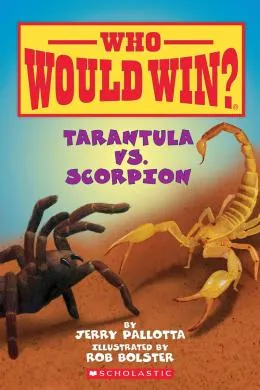
Understanding Tarantulas and Scorpions
Choosing between a pet tarantula and a scorpion is a significant decision for any prospective exotic pet owner. Both arachnids offer unique experiences, but they also come with distinct challenges. This guide provides a comprehensive comparison to help you determine which pet aligns best with your lifestyle, experience, and expectations. Understanding the fundamental differences in their biology, care requirements, and behavioral traits is crucial to making an informed choice. This decision impacts not only your daily routine but also the well-being and longevity of your new pet. Careful consideration ensures both a rewarding pet-owning experience and the ethical treatment of your chosen creature.
Tarantula Overview
Tarantulas, with their impressive size and diverse appearances, are popular among exotic pet enthusiasts. These large, hairy spiders belong to the Theraphosidae family, and they come in hundreds of species, each with unique characteristics. Their relatively docile nature, compared to other spiders, makes them appealing to beginners, although responsible handling is always essential. Their lifespan can be quite long, with females often living for several decades. The variety in colors and patterns adds to their appeal, making them fascinating subjects for observation and study. Selecting a tarantula means embarking on a rewarding journey into the world of arachnids, but it is essential to prepare and understand the responsibilities involved in their care.
Tarantula Characteristics and Behavior

Tarantulas are generally nocturnal creatures, spending most of the day hiding in burrows or under shelter. They are ambush predators, waiting patiently for prey to come within reach. While they possess venom, most tarantula bites are not considered medically significant to humans, although local reactions like redness and swelling may occur. Tarantulas are known for their defense mechanisms, including urticating hairs, which they flick off their abdomen as a deterrent. Their behavior can vary significantly between species, from the calm, slow-moving personalities of some New World tarantulas to the more defensive behavior of Old World species. Understanding these traits is vital for safe handling and for providing an appropriate environment.
Tarantula Care Requirements
Tarantulas require specific environmental conditions to thrive. A suitable enclosure should be appropriately sized for the species, with proper ventilation and secure closures to prevent escape. Substrate choice is critical; it should maintain humidity levels and allow for burrowing, if the species requires it. Providing a water dish and maintaining the appropriate temperature and humidity levels are essential. Feeding tarantulas typically involves offering appropriately sized insects, such as crickets or mealworms, depending on the tarantula’s size and species. Regular monitoring of the enclosure’s conditions and the tarantula’s overall health is necessary to ensure its well-being. Regular maintenance includes removing uneaten food and cleaning the enclosure to prevent the growth of mold and bacteria.
Scorpion Overview
Scorpions, with their iconic appearance and powerful stingers, are another fascinating choice for exotic pet owners. They are arachnids, belonging to the order Scorpiones, and are found in various habitats worldwide. Unlike tarantulas, scorpions have a more complex anatomy, including a segmented body, a pair of pedipalps (claws), and a venomous stinger at the end of their tail-like metasoma. Their adaptability and nocturnal habits make them intriguing to observe. Their care requirements differ significantly from those of tarantulas, so potential owners must conduct thorough research. Before acquiring a scorpion, it is crucial to understand the ethical implications of keeping a potentially dangerous creature, along with the regulations in your area.
Scorpion Characteristics and Behavior

Scorpions are primarily nocturnal hunters, using their pedipalps to grasp prey and their stingers to deliver venom. Their behavior can vary significantly depending on the species; some are more docile, while others are more defensive. The venom of most scorpion species is not lethal to humans, but it can cause intense pain and other symptoms. Scorpions often exhibit complex social behaviors, particularly during mating and maternal care. Handling scorpions should be avoided unless absolutely necessary, and always done with caution, as they can sting. Understanding the defensive mechanisms and specific behaviors of different scorpion species is essential for responsible pet ownership.
Scorpion Care Requirements
Scorpions need specific environmental conditions to survive, similar to tarantulas. They require an enclosure with secure closures and appropriate ventilation, with a substrate that can maintain humidity levels. Providing a water dish is essential, and maintaining the correct temperature and humidity is critical for their health. Feeding typically involves offering insects such as crickets or roaches, depending on the scorpion’s size and species. Regular monitoring of the enclosure and the scorpion is important to ensure its well-being. Proper hygiene is crucial, including removing any uneaten food and cleaning the enclosure regularly to prevent the growth of mold and bacteria. Understanding the specific needs of the chosen scorpion species is crucial for successful care.
Comparing the Pros and Cons
Pros of Owning a Tarantula

Tarantulas are relatively low-maintenance pets, requiring less frequent feeding than some other animals. Their docile nature makes them easier to handle compared to other arachnids. They come in a wide variety of colors and sizes, providing visual interest. Tarantulas are generally less prone to escape than some other invertebrates. Their long lifespan means you can enjoy their companionship for many years. They can be a fascinating educational tool, helping people learn about arachnids and ecosystems.
Cons of Owning a Tarantula
Tarantulas can flick urticating hairs, which can cause skin irritation and allergic reactions. Some people are afraid of spiders, making them an unsuitable pet for those with arachnophobia. Tarantulas’ bites, while not usually medically significant, can be painful. The need for live insect feeding can be off-putting to some pet owners. Tarantulas can be fragile, and improper handling may cause injury.
Pros of Owning a Scorpion
Scorpions are fascinating to observe due to their unique anatomy and behavior. They are generally low-maintenance pets, requiring minimal space. They are typically quiet animals, making them suitable for apartment living. Some species have impressive colors and patterns, adding visual appeal to their enclosure. They are less likely to trigger allergies compared to furry pets.
Cons of Owning a Scorpion
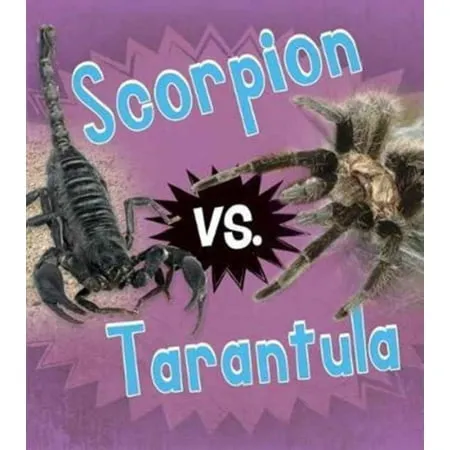
Scorpions possess a venomous stinger, and while most species’ stings are not life-threatening, they can be painful. Handling scorpions is generally not recommended, limiting interaction. The availability of certain scorpion species can be limited, and some species are more difficult to care for. Scorpions may be more prone to escape if the enclosure is not properly sealed. Ethical considerations exist concerning the potential for stings and the responsibility of owning a potentially dangerous animal.
Factors to Consider Before Choosing
Your Lifestyle and Experience Level
Consider your daily routine and how much time you can dedicate to pet care. Tarantulas are generally low-maintenance but require consistent feeding and enclosure maintenance. Scorpions also require consistent care but may have different needs. Beginners might find tarantulas easier to manage due to their docile nature. Experienced exotic pet owners can handle the potential challenges of owning a scorpion. If you travel frequently, consider a pet that can be left unattended for short periods.
Allergies and Sensitivities

Be aware of potential allergies to insects used for feeding, substrate materials, or urticating hairs in tarantulas. If you have allergies or sensitivities, consider the impact on your health and well-being. Choose a species and care method that minimizes exposure to potential allergens. If you have allergies, you may want to choose a scorpion over a tarantula, since tarantulas have urticating hairs that can cause allergic reactions. Consult with an allergist if you are unsure.
Space and Housing Requirements
Assess the space available in your home for an enclosure. Tarantulas generally require larger enclosures than scorpions, especially for arboreal species. Ensure you have enough space for the enclosure, as well as storage for food and supplies. Consider the location of the enclosure in your home and ensure it is accessible and away from direct sunlight and drafts. The enclosure needs to be secure to prevent escape and easy to clean and maintain.
Cost of Ownership
Calculate the initial costs of the pet, enclosure, substrate, and other necessary supplies. Factor in ongoing expenses such as food, supplements, and electricity for heating and lighting. Consider the cost of potential veterinary care, although specialized care for invertebrates can be expensive. Research the average costs associated with the specific species you are considering. Budgeting is essential to ensure you can provide adequate care for the lifetime of your pet.
Making Your Final Decision

Research and Preparation
Thoroughly research different species of tarantulas and scorpions, their temperaments, and care requirements. Consult with experienced owners, breeders, or veterinarians specializing in exotic pets. Read books, articles, and online resources to gain comprehensive knowledge. Prepare your home and enclosure before acquiring your pet. Gather all necessary supplies and ensure the enclosure is set up and ready to go before bringing your pet home. Make sure you understand all the regulations for keeping exotic animals in your area.
Where to Buy Your Pet
Purchase your pet from a reputable breeder or pet store that specializes in exotic animals. Avoid buying from unreliable sources or places with poor animal welfare practices. Check the pet’s health and ensure it shows no signs of illness or injury. Ask questions about the pet’s history, including its age, origin, and feeding habits. Be cautious of animals that appear stressed or lethargic. Verify the seller’s knowledge and experience to ensure they can provide accurate advice and support. Buying from a responsible source supports ethical pet ownership.
Setting Up the Habitat
Set up the enclosure according to the specific needs of the species you have chosen. Select an appropriate substrate, such as peat moss, coconut fiber, or a mixture of both, appropriate for the species’ humidity needs. Provide a water dish and ensure it is clean and accessible. If necessary, add hiding places such as cork bark or artificial plants. Maintain the correct temperature and humidity levels using a thermometer and hygrometer. Always prioritize the well-being of your pet when designing its habitat, creating an environment similar to its natural habitat. Regularly clean and maintain the enclosure to keep it hygienic.
Conclusion
Choosing between a pet tarantula and a scorpion involves careful consideration of various factors, from personal lifestyle to the specific needs of each arachnid. By understanding the characteristics, care requirements, and potential challenges associated with each, you can make an informed decision. Remember to prioritize your pet’s well-being by conducting thorough research, preparing adequately, and providing a suitable and enriching environment. Responsible pet ownership is the foundation for a rewarding experience, ensuring the health and longevity of your chosen arachnid. Enjoy the fascinating world of exotic pets and the unique companionship they bring. The decision between a tarantula and a scorpion requires a commitment to responsible pet ownership and a genuine appreciation for these remarkable creatures. Good luck with your new pet!