Tarantula Wild Pets: 5 Amazing Facts!
The world of wild pets is fascinating, and few creatures capture our imagination quite like the tarantula. These large, hairy spiders often evoke a mix of fear and fascination. While their appearance might seem intimidating, tarantulas can make intriguing pets, provided you understand their needs and behaviors. This article unveils five amazing facts about tarantulas, offering insights into their world and dispelling some common misconceptions. Whether you’re a seasoned arachnid enthusiast or simply curious, get ready to explore the captivating realm of tarantulas. Get ready to learn what makes them such unique and interesting creatures. Tarantulas offer a glimpse into a world of prehistoric beauty, and in the right hands, they can be a rewarding pet.
What is a Tarantula?
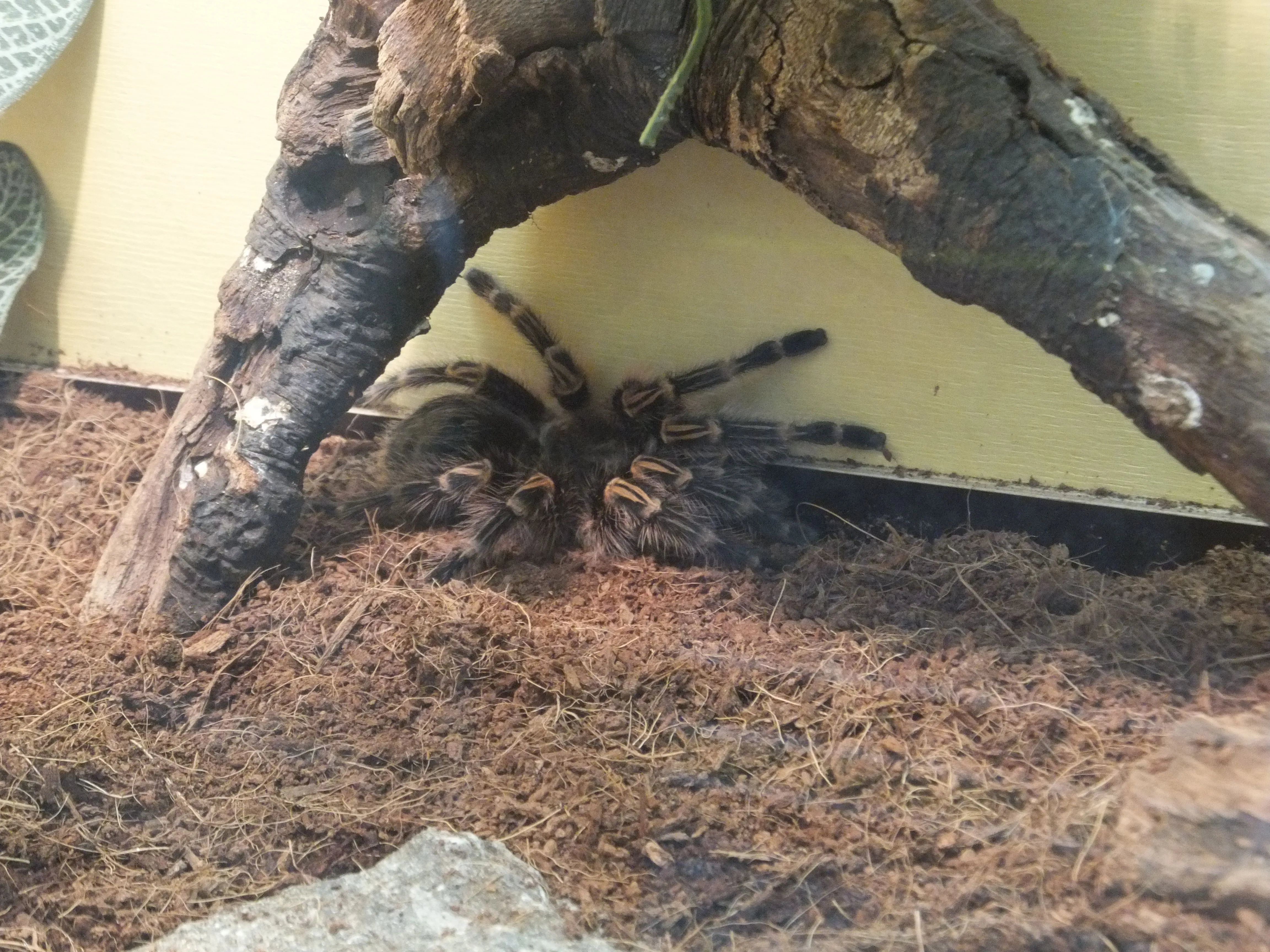
Tarantulas are a group of large and often hairy spiders belonging to the Theraphosidae family. They are found in various habitats worldwide, from tropical rainforests to arid deserts. Their size distinguishes them; some species can have leg spans exceeding 10 inches, making them among the largest spiders in the world. Despite their size, tarantulas are not typically aggressive and usually prefer to flee when threatened. Their venom is generally not considered dangerous to humans, although a bite can be painful. These fascinating creatures play a vital role in their ecosystems, preying on insects and small animals. They also provide a valuable perspective on biodiversity and the wonders of the natural world. Tarantulas have been around for millions of years, surviving through various environmental changes, and continue to thrive in many regions today.
Tarantulas: Not Always What You Think

Contrary to popular belief, tarantulas are not inherently aggressive. They are typically docile and prefer to avoid confrontation. They possess venom, but it’s usually not deadly to humans; the effects are often similar to a bee sting. Many species have urticating hairs on their abdomen, which they flick off as a defense mechanism, causing skin irritation. These spiders are also not prone to biting unless provoked or feel threatened. Tarantulas are often misunderstood due to their intimidating appearance. Responsible pet ownership involves understanding their behavior and providing a suitable environment. These spiders offer a unique and rewarding experience for those willing to learn and appreciate them.
Tarantula Appearance
Size and Coloration
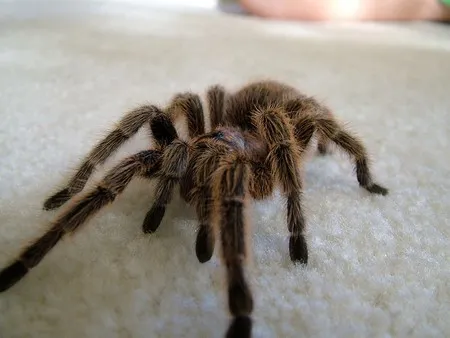
Tarantulas come in various sizes and colors, depending on the species. Some can have leg spans of over 10 inches, while others are smaller. Colors range from shades of brown and black to vibrant hues of blue, orange, and red. Their bodies are covered in hairs, which provide sensory information and aid in defense. These hairs can also be urticating, causing irritation if they come into contact with skin. This diversity in appearance makes each species unique. Their size and color are key characteristics when identifying a tarantula species. The variations in their appearance showcase the adaptability of tarantulas to different environments around the globe.
Tarantula Behavior

Are They Aggressive?
Generally, tarantulas are not aggressive. They are more likely to retreat or flick urticating hairs as a defense mechanism. Aggression is usually only displayed when a tarantula feels threatened or cornered. Proper handling and a suitable environment can help keep them calm. Understanding their behavior is crucial for responsible pet ownership. Avoid sudden movements or loud noises, as these can stress a tarantula. Many keepers find that tarantulas can be quite docile when given the right care and respect. Remember, their behavior is often dictated by their surroundings and perceived safety.
Do They Bite?
Tarantulas can bite, but it is not their primary defense. Bites are usually a last resort when they feel threatened or mishandled. Their fangs are used to inject venom, which is not usually dangerous to humans, causing only localized pain and discomfort. If you are bitten, it’s essential to clean the area and monitor for any allergic reactions. Proper handling and a calm environment significantly reduce the risk of being bitten. Learning to read the signs of a stressed tarantula, such as raising its front legs or flicking hairs, is key to avoiding bites. Many tarantula keepers rarely experience bites due to their careful handling practices.
Tarantula Diet

What Do They Eat?
In the wild, tarantulas are opportunistic predators, consuming a variety of insects, small animals, and sometimes even small birds or lizards. As pets, their diet typically consists of crickets, mealworms, and other commercially available insects. The specific food items provided vary depending on the tarantula’s size and species. Providing a balanced diet is essential for their health and well-being. Ensure that insects are gut-loaded with nutritious food before offering them to your tarantula. Water should also be available at all times, either in a shallow dish or through misting the enclosure. This helps them stay hydrated. A well-nourished tarantula is more likely to be healthy and thrive in captivity.
How Much Do They Eat?
The amount a tarantula eats depends on its age, species, and metabolism. Young tarantulas typically eat more frequently than adults. Feeding frequency also depends on the size of the prey. They might eat a few crickets weekly or several larger insects monthly. Overfeeding can lead to health problems, so it is important to monitor their feeding habits and adjust accordingly. Many keepers feed their tarantulas once or twice a week. It is best to remove any uneaten food after 24 hours to prevent mold growth. Always ensure fresh water is available. Observing your tarantula’s feeding behavior can help you determine the right amount of food.
Tarantula Habitat
Where Do They Live?
Tarantulas live in diverse habitats worldwide. Some species are terrestrial, burrowing in the ground, while others are arboreal, living in trees. They can be found in rainforests, deserts, grasslands, and even urban environments. Their habitat preferences greatly influence their care requirements in captivity. Providing a suitable enclosure that mimics their natural environment is crucial. For burrowing species, this might mean a deep substrate for digging. Arboreal species require vertical space and climbing structures. Humidity, temperature, and ventilation are all important considerations when setting up their habitat. Replicating their natural habitat ensures they remain healthy and stress-free.
Tarantula: 5 Amazing Facts!
- They can live for many years; some females can live for over 20 years.
- Tarantulas have urticating hairs they use for defense.
- Their venom is usually not dangerous to humans.
- They come in a wide array of colors and sizes.
- Tarantulas are generally docile and not aggressive.
In conclusion, tarantulas are captivating creatures with many fascinating aspects. From their varied appearances and behaviors to their dietary needs and habitats, tarantulas offer a unique glimpse into the world of arachnids. Understanding these facts can help both current and potential owners to better appreciate and care for these amazing wild pets. Through proper knowledge and responsible pet ownership, you can ensure a healthy and fulfilling experience for both you and your tarantula. Embrace the opportunity to learn about these incredible creatures and the joy they can bring.