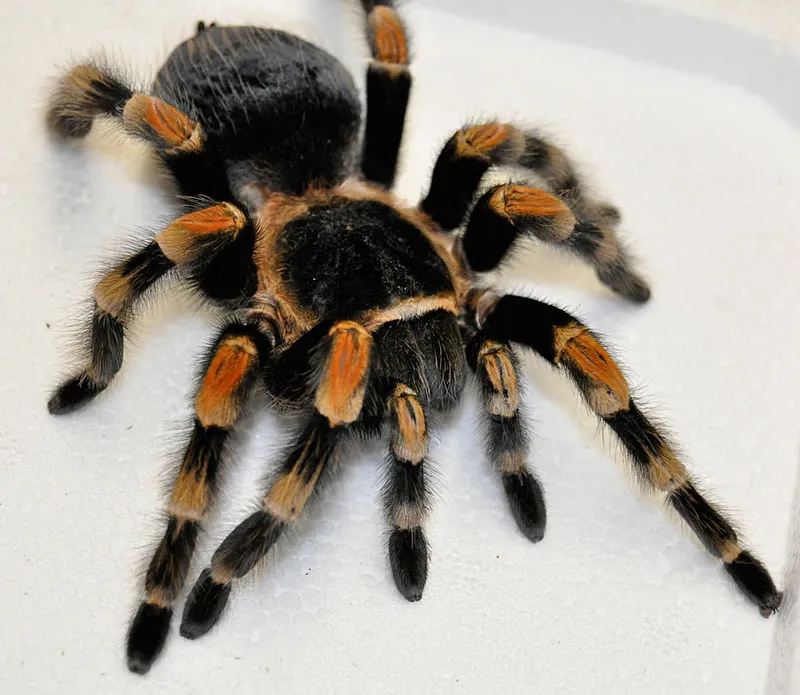
Why Your Tarantula Refuses Food
It can be incredibly worrying when your Mexican Red Knee tarantula stops eating. These captivating creatures, known for their striking red and black markings, are generally voracious eaters. However, several factors can lead to a tarantula’s loss of appetite. Understanding these reasons is crucial for ensuring your pet’s health and well-being. This guide explores the top five causes of tarantula feeding problems and provides practical solutions to help you address the issue effectively. From environmental conditions to health concerns, we’ll delve into the various aspects that might be affecting your tarantula’s eating habits. Proper care and observation are key to a thriving tarantula, and knowing how to respond to a lack of appetite is an essential part of responsible pet ownership. Let’s explore why your tarantula might be turning down its meals.
Temperature and Humidity Issues
Temperature and humidity are fundamental to a tarantula’s health and willingness to eat. Like many reptiles and invertebrates, tarantulas are ectothermic, meaning they rely on external sources to regulate their body temperature. When the temperature is too low, their metabolism slows down, and they may not feel the urge to eat. Similarly, incorrect humidity levels can lead to dehydration or molting issues, both of which can impact feeding behavior. Monitoring and adjusting these environmental factors are often the first steps in troubleshooting feeding problems. Providing the right conditions is essential for ensuring your tarantula’s comfort and encouraging it to eat regularly. Remember that even small adjustments can make a big difference in your pet’s well-being.
Ideal Temperature Range for Tarantulas

Mexican Red Knee tarantulas thrive in a temperature range of 75-85°F (24-29°C). Maintaining this range is crucial for their metabolic functions and overall health. Use a reliable thermometer to monitor the enclosure’s temperature regularly. If the temperature drops below the ideal range, you might need to use a heat mat or a low-wattage heat lamp to provide supplemental heat. However, always be careful not to overheat the enclosure. Ensure there’s a temperature gradient, allowing the tarantula to move to cooler areas if needed. A consistent temperature encourages a healthy appetite and a more active tarantula. Regular temperature checks are a simple but vital part of tarantula care, and it will make sure your pet feels comfortable and healthy.
Humidity Levels and Their Importance
Humidity plays a critical role in a tarantula’s well-being, particularly during molting. Mexican Red Knees generally require a humidity level of 65-75%. Monitoring humidity levels is just as important as monitoring temperature. You can measure humidity with a hygrometer. If the humidity is too low, your tarantula may have trouble molting, leading to health problems that can reduce appetite. To increase humidity, mist the enclosure with dechlorinated water regularly, and ensure the substrate is slightly damp. However, avoid making the enclosure too wet, as this can lead to mold and other issues. Good ventilation is also important; ensure there’s proper airflow to prevent excessive moisture buildup. Maintaining proper humidity levels will help your tarantula stay healthy and encourage healthy feeding habits.
Adjusting the Enclosure’s Environment
If you’ve identified temperature or humidity issues, take immediate steps to correct them. Make sure the enclosure is well-ventilated, but not drafty. Place the enclosure away from direct sunlight, which can cause temperature fluctuations. Use a thermometer and hygrometer to keep track of the conditions. It’s important to be patient; it might take a few days or even weeks to see an improvement in your tarantula’s eating habits once the environment is corrected. Consistent monitoring and adjustments are key. Always prioritize a stable and suitable environment, because your tarantula’s health and happiness depends on it. Taking the time to provide the right conditions is the best way to ensure your pet thrives.
Pre-Molting Behavior and Its Impact

Tarantulas, like other arachnids, molt their exoskeletons as they grow. This process, known as molting, can be stressful and can significantly affect their eating habits. Tarantulas typically stop eating in the weeks or months leading up to a molt. Understanding the molting process and its effects is crucial for responsible tarantula care. This section will explore how to recognize the signs of an upcoming molt and how to adjust your care routine to support your tarantula during this delicate time. Knowing how to respond to molting behavior is an essential skill for any tarantula owner, and it helps ensure the well-being of your pet.
Recognizing Molting Signs
Several signs can indicate that your tarantula is about to molt. One of the most common signs is a loss of appetite. Your tarantula may refuse food for several weeks before molting. Other signs include a darkening of the abdomen, a change in behavior (such as becoming more reclusive or lethargic), and a thickening of the abdomen. You might also notice the tarantula spending more time on its back or in a specific area of the enclosure. The closer to the molt, the more noticeable these signs become. Observation is key; pay close attention to your tarantula’s behavior, and familiarize yourself with the typical pre-molt signs to identify potential issues early on and act accordingly. Observing these clues lets you adjust your care routine as needed.
Adjusting Feeding During Molt
During the pre-molt phase, do not force-feed your tarantula. Offering food may stress the spider and cause it to become even less inclined to eat. Instead, continue to provide fresh water and maintain the proper temperature and humidity levels. If your tarantula refuses food for several weeks, do not be concerned. The spider is likely preparing for the molt. After the molt, wait a few days for the tarantula’s fangs to harden before offering food again. When you do offer food, start with a smaller prey item to avoid overwhelming the spider. Feeding your tarantula right after a molt is important for its nutrition and recovery, because molting can be exhausting. Gentle care and observation will assist your tarantula to recover after the molt.
Stress and Environmental Disturbances

Stress can significantly affect a tarantula’s eating habits. Like any pet, tarantulas can experience stress from various environmental disturbances, which can result in decreased appetite or refusal to eat. Creating a secure and calm environment is essential for a tarantula’s well-being. This section will discuss common stressors and how to minimize them, helping your tarantula feel safe and secure in its enclosure. Managing stress is critical for maintaining a healthy and happy tarantula, and it is a key component of good pet ownership.
Common Stressors for Tarantulas
Tarantulas are sensitive creatures, and several factors can cause stress. Loud noises, vibrations, and sudden movements near the enclosure can scare them. Frequent handling should be avoided, as it can be stressful. Poor enclosure conditions, such as lack of hiding places or unsuitable substrate, can also contribute to stress. Other stressors include exposure to bright lights, other pets, or overcrowding. Understanding these common stressors is the first step in creating a comfortable environment. Identifying these stressors can help you eliminate them, which lets your tarantula feel secure and content.
Creating a Secure Enclosure
A secure enclosure is critical for reducing stress in your tarantula. Provide plenty of hiding places, such as cork bark, artificial plants, or sturdy decorations. Ensure the enclosure is placed in a quiet area away from excessive noise and activity. Avoid placing the enclosure in direct sunlight or near a heat source. Use a substrate that allows your tarantula to burrow, creating a sense of security. Handle your tarantula only when necessary and with great care. Providing a safe and private habitat minimizes stress, because it encourages your tarantula to eat regularly. Remember, a stress-free tarantula is generally a healthier tarantula.
Parasites and Illnesses

Just like any living creature, tarantulas can be susceptible to parasites and illnesses. These health issues can significantly impact their appetite and overall well-being. Parasites can sap the tarantula’s energy and cause it to stop eating, while illnesses can cause various symptoms that interfere with normal behaviors, including feeding. It’s important to recognize the signs of illness and know when to seek professional veterinary care. Proper care and prompt attention to health issues are key to ensuring your tarantula’s longevity and health. Understanding potential health problems and knowing how to respond is a critical part of responsible pet ownership.
Identifying Common Tarantula Diseases
Several signs can indicate that your tarantula is suffering from a health issue. Lethargy, loss of appetite, and unusual behavior are common symptoms. Other signs may include visible parasites, such as mites, or discoloration of the abdomen. Look for any unusual changes in the tarantula’s appearance or behavior. If you notice any of these signs, it’s important to act promptly. Early detection can often improve treatment outcomes. Accurate observation is essential for detecting potential health problems. Seek advice from a qualified veterinarian or tarantula expert if you notice concerning symptoms.
Consulting a Veterinarian
If you suspect your tarantula is sick, consult a veterinarian experienced with exotic animals. A veterinarian can diagnose the problem and recommend appropriate treatment. Do not attempt to treat your tarantula with medications designed for other pets without veterinary advice. Providing a sample of the tarantula (if possible) or any other relevant information to the veterinarian is extremely helpful. Follow your veterinarian’s instructions carefully. Early intervention and professional care can often resolve health issues, improving your tarantula’s well-being. A vet’s expertise and timely care are essential for maintaining your pet’s health.
Improper Prey Selection

The type and size of prey can influence a tarantula’s willingness to eat. Tarantulas have specific dietary needs, and offering the wrong type of food can lead to a lack of appetite. This section focuses on the importance of prey selection, including choosing the right insects and providing the correct size and frequency of meals. Selecting the proper prey and understanding feeding schedules is an important component of proper tarantula care. Providing the correct food is fundamental to a tarantula’s health and overall well-being, because good nutrition is critical for a thriving spider.
Choosing the Right Prey
Crickets, mealworms, and roaches are the most common and suitable food sources for Mexican Red Knee tarantulas. Always ensure that the prey is healthy and free from parasites. Purchase feeder insects from a reputable source to minimize the risk of disease or contamination. Dust the insects with a vitamin and mineral supplement to provide additional nutrients. Avoid feeding your tarantula wild-caught insects, as they may carry parasites or be exposed to pesticides. A balanced and healthy diet is key for a tarantula’s overall health. Good prey selection is the first step towards a happy and well-fed tarantula.
Prey Size and Frequency
The size of the prey should be appropriate for the size of your tarantula. As a general guideline, the prey should be no larger than the tarantula’s body. Overfeeding can stress the spider and cause it to refuse food. Feed young tarantulas (spiderlings) more frequently (every 3-7 days), while adult tarantulas can be fed less often (every 1-2 weeks). Adjust the feeding frequency based on your tarantula’s appetite and growth. If your tarantula is not eating, try offering a smaller prey item or waiting a week before offering food again. Monitor your tarantula’s feeding habits, and be prepared to adjust your approach based on the spider’s individual needs. The goal is to ensure they get the right nutrients to maintain optimal health.
Solutions for a Non-Eating Tarantula

If your Mexican Red Knee tarantula is not eating, several steps can be taken to address the problem. First, review the environmental conditions. Ensure that the temperature and humidity are within the appropriate range. Check for any stressors in the enclosure, such as loud noises or frequent disturbances. Rule out any pre-molting behavior by looking for the telltale signs. If your tarantula is in pre-molt, do not be concerned. Continue providing fresh water. If you’ve addressed all these factors and your tarantula still isn’t eating, consider consulting a veterinarian or an experienced tarantula keeper. Remember, patience and observation are key to successfully caring for your tarantula. Correcting these aspects will boost the chances of your tarantula eating.
In conclusion, understanding the reasons why your Mexican Red Knee tarantula might not be eating is the first step in providing the best possible care. From environmental factors like temperature and humidity to stress, molting, and potential health issues, several things can affect its appetite. By carefully monitoring your tarantula’s environment, observing its behavior, and responding appropriately to its needs, you can ensure that it remains healthy and thrives in your care. Remember that patience, observation, and a proactive approach are essential for successful tarantula ownership. With the right knowledge and care, you can enjoy the fascinating experience of keeping these amazing creatures.