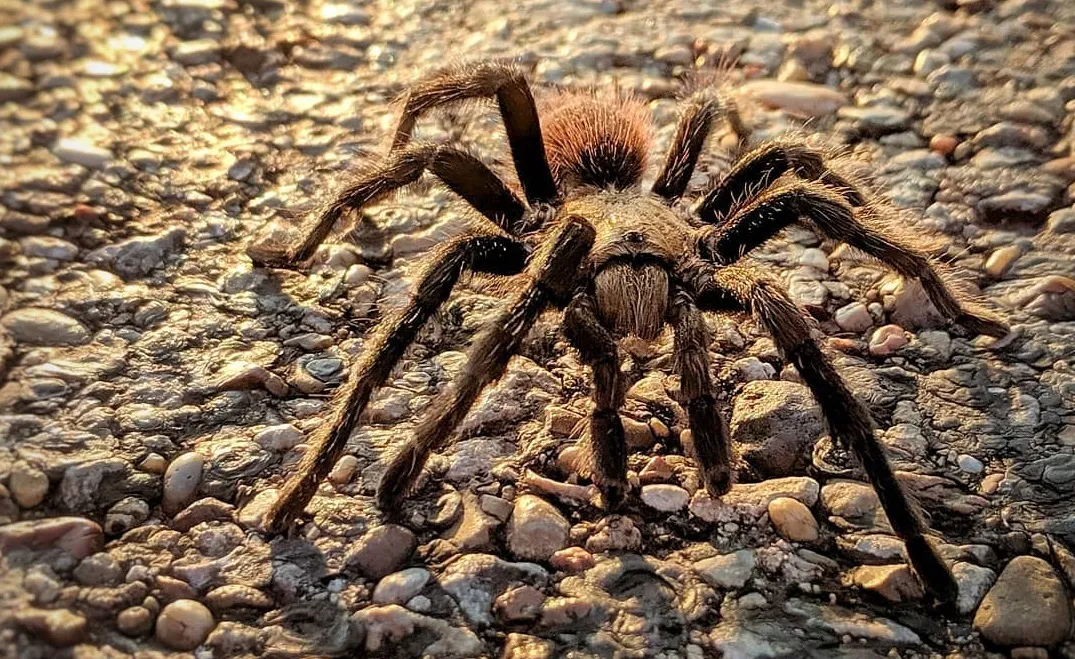
The Allure of Texas Baby Tarantulas
Baby tarantulas in Texas are a captivating subject for both nature enthusiasts and those with a curiosity for the unique creatures that inhabit our planet. These small, yet intriguing arachnids, often overlooked in their infancy, represent the beginning of a fascinating life cycle. Understanding their world offers a glimpse into the resilience, adaptability, and sheer beauty of the natural world. Exploring the facts surrounding these tiny spiders unveils a wealth of information, from their physical characteristics and habitats to their behaviors and roles in the ecosystem. Baby tarantulas, though small, are a crucial part of the Texan landscape, and learning about them enriches our appreciation of the biodiversity around us. They present a fascinating opportunity to delve into the often-misunderstood world of arachnids and the unique adaptations that allow them to thrive in their environment.
Appearance and Identification
Identifying baby tarantulas in Texas begins with understanding their appearance. Even at a young age, they possess the fundamental characteristics that define tarantulas. The body of a baby tarantula, much like its adult counterpart, is divided into two main parts, the cephalothorax (fused head and thorax) and the abdomen. The cephalothorax houses the eyes, mouthparts, and legs, while the abdomen contains the digestive and respiratory organs. The size is significantly smaller, usually ranging from a few millimeters to a centimeter or two in body length, depending on the species and age of the spider. Observing these aspects is crucial for correct identification.
Size and Physical Characteristics

Baby tarantulas, unlike adults, have more delicate exoskeletons, making them vulnerable. Their small size at birth increases their need for protection and camouflage. Baby tarantulas have eight legs, each with tiny claws for gripping surfaces. Their bodies are covered in fine hairs, which serve sensory purposes, helping them detect vibrations and air movements. These hairs are also instrumental in their ability to climb, navigate, and sense their environment. They begin their lives with a soft, pale appearance, gaining more robust coloration as they molt and grow. The size differences between various species can be subtle at this stage, so observing other features is also necessary.
Coloration and Markings
Coloration in baby tarantulas is often more subdued than in adults, serving as effective camouflage. The markings, while less pronounced, are still key identifiers. Some may display subtle patterns, such as stripes or spots, which can help differentiate between species. These color patterns can change and intensify with each molt as the tarantula grows. The color itself can vary based on species and environmental factors. Baby tarantulas often blend seamlessly with their surroundings, relying on their coloration to avoid predation and hunt effectively. The subtle hues of these young spiders are an important aspect of their survival and are a beautiful display of nature’s design, making them blend into their Texan surroundings.
Habitat and Distribution
The habitat and distribution of Texas baby tarantulas are crucial factors to understanding their lives. They thrive in specific environmental conditions, utilizing natural shelters to survive. Their presence and distribution across the state give insights into their adaptations. The availability of resources like food and water also influences their distribution.
Natural Habitats in Texas

In Texas, baby tarantulas are found in various habitats, including grasslands, deserts, and woodlands. They favor areas with ample ground cover, such as rocks, leaf litter, and burrows. These features provide protection from the elements and predators. The specific choice of habitat often depends on the tarantula species. Some dig burrows in the ground, while others seek shelter under rocks or logs. Baby tarantulas require moist environments to prevent desiccation. Proper habitats also have a supply of insects, their primary food source. The diverse landscapes of Texas provide many unique habitat opportunities for baby tarantulas.
Geographical Distribution
The geographical distribution of baby tarantulas across Texas varies depending on the species. Some species are widespread, while others have more restricted ranges. Their presence is influenced by factors such as climate, vegetation, and the availability of prey. The warmer regions of Texas tend to support higher tarantula populations, as these spiders prefer warmer temperatures. Their distribution also overlaps with the distribution of their prey. Knowledge of distribution helps in conservation efforts and understanding the impact of environmental changes on these creatures. Baby tarantulas can be found across many parts of Texas, but their distribution is always changing.
Behavior and Lifestyle
Understanding the behavior and lifestyle of Texas baby tarantulas provides insights into their everyday actions and survival. They display specific hunting and feeding behaviors. Their defense mechanisms are fascinating adaptations to the dangers of their environments. These behaviors are crucial for their survival and success.
Hunting and Feeding Habits

Baby tarantulas are active hunters, primarily feeding on small insects. They use their keen senses to detect prey, often ambushing them from concealed locations. Their hunting strategy involves waiting for prey to come within striking distance, then quickly pouncing. They use their fangs to inject venom, which immobilizes the prey, then they inject digestive fluids. The young spiders will then consume the liquified insides. Feeding habits are crucial for their growth and development, as they need to molt to grow and evolve. A diet consisting of small insects, such as crickets or mealworms, is essential for their survival and rapid growth.
Defense Mechanisms
Baby tarantulas have several defense mechanisms to protect themselves from predators. Their primary defense is camouflage, their coloration helping them to blend into their surroundings. They can also flick urticating hairs from their abdomen at threats. These hairs cause irritation. Some tarantulas may also adopt a defensive posture, raising their front legs and displaying their fangs. These behaviors are a clear warning to potential predators. Baby tarantulas also have the ability to quickly retreat into their burrows or hiding places when threatened, enhancing their ability to survive in a dangerous environment.
Lifespan and Reproduction
The lifespan and reproduction of Texas baby tarantulas are essential to understanding their life cycle. The length of time they live and the way they reproduce influences population dynamics and the future of these species. Understanding these biological factors is essential for anyone studying these spiders.
Average Lifespan

The lifespan of baby tarantulas depends on the species and environmental conditions. Male tarantulas typically have shorter lifespans, often only living for a few years. Females generally live much longer, sometimes up to 20 years or more. Various factors, like nutrition, temperature, and the absence of predators, can affect their survival. The lifespan of baby tarantulas is closely tied to their growth, as each molt brings them closer to maturity. The environment greatly influences a tarantula’s lifespan, determining its survival rate.
Reproduction Cycle
The reproduction cycle of tarantulas involves mating, egg laying, and the development of spiderlings. The males mature, and search for females, after which they transfer sperm to the female. The female then lays eggs, which she protects in an egg sac. The eggs hatch into spiderlings, and then these spiderlings go through a series of molts. The spiderlings grow into juveniles, and the cycle continues as they mature into adults. The environment and availability of resources can also influence the success of reproduction. The complex reproduction cycle helps maintain the population of tarantulas across Texas.
Conservation Status and Threats
The conservation status and threats facing baby tarantulas are key to understanding the challenges they encounter. Evaluating their current status and the specific dangers they face can help in conservation. Efforts can then be focused on ensuring these species remain healthy.
Current Conservation Status

The conservation status of Texas baby tarantulas can vary depending on the species. Some species are common, while others might be rare or threatened. Their status is assessed based on population size, habitat loss, and other factors. Conservation efforts focus on protecting their habitats and managing human impact. Baby tarantulas are facing multiple challenges, making conservation crucial. Regularly reviewing and understanding the status of tarantulas helps direct conservation strategies.
Threats to Survival
Baby tarantulas face several threats to their survival. Habitat loss is a major concern, as urbanization and agriculture destroy their natural habitats. The use of pesticides can also harm their populations, affecting their prey. Climate change and extreme weather events, such as droughts and floods, can also be detrimental. Collection for the pet trade poses another threat, as some people capture tarantulas from the wild. Educating the public about these threats and implementing conservation measures are essential to securing the future of these unique creatures.