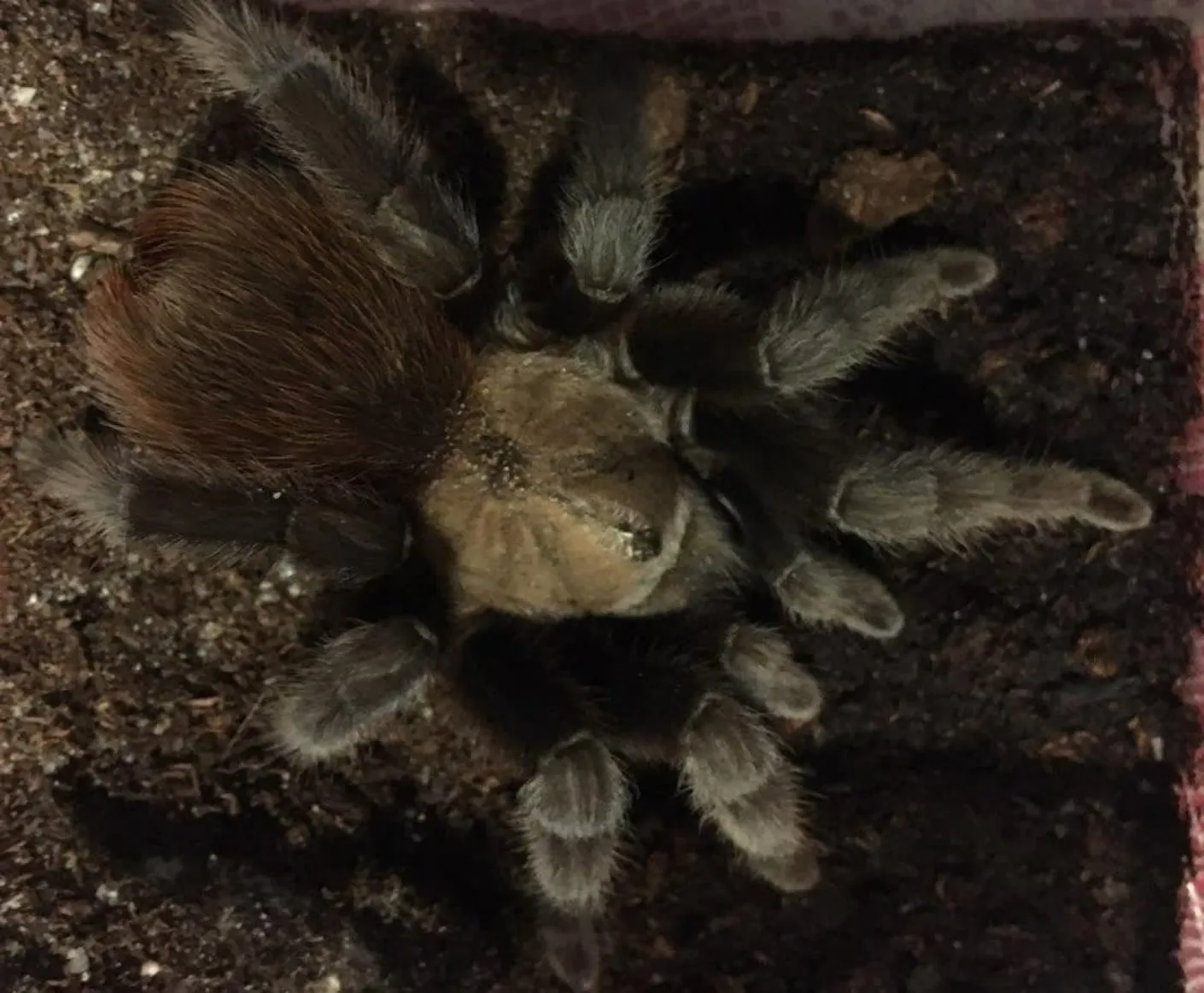
The Texas Tan Tarantula, a fascinating and relatively easy-to-care-for pet, can bring a unique element to your home. This guide provides seven key tips to ensure your tarantula thrives. From setting up the perfect habitat to understanding its feeding habits, this comprehensive guide will help you provide optimal care for your eight-legged friend, ensuring a long and healthy life. Proper care involves understanding their specific needs, which can significantly impact their well-being.
Texas Tan Tarantula Care Guide: 7 Key Tips
Choosing the Right Enclosure
The enclosure is the tarantula’s home, and it’s essential for its health and happiness. A well-chosen enclosure provides security and allows for proper environmental control. The size and type of enclosure significantly impact the tarantula’s well-being and ability to thrive. Correct enclosure design will help you provide the right environment for your Texas Tan Tarantula.
Size and Material

Choose an enclosure that is appropriately sized for your tarantula. A general rule is that the enclosure should be about three times the tarantula’s leg span in width. Glass or clear plastic enclosures are best, as they allow for easy viewing and are durable. Make sure the enclosure has a secure lid to prevent escapes. Appropriate material choice is important because it provides adequate ventilation.
Ventilation and Security
Ventilation is crucial to prevent the buildup of moisture and mold. Ensure the enclosure has cross-ventilation, typically with vents on the sides or top. A secure lid is a must-have to prevent escapes. Tarantulas are surprisingly adept at escaping, so a tightly fitting lid is non-negotiable. Inspect the enclosure regularly for any signs of wear and tear and replace it if necessary.
Creating the Perfect Habitat
Creating a suitable habitat involves setting up the enclosure’s internal environment. The habitat’s design greatly impacts the tarantula’s health and behavior. A well-designed habitat will mimic the tarantula’s natural environment, promoting a comfortable and stress-free existence. Providing the right substrate, temperature, and humidity are essential for your tarantula to thrive.
Substrate Selection

The substrate is the bedding material in the enclosure. Suitable substrates include coco coir, peat moss, or a mix of both. These materials retain moisture and allow the tarantula to burrow. Avoid using substrates like sand or gravel, which can be harmful. The substrate should be deep enough for the tarantula to burrow if it chooses to. A depth of 2-4 inches is usually sufficient, depending on the size of the tarantula.
Temperature and Humidity
Texas Tan Tarantulas thrive in temperatures between 75-85°F (24-29°C). Use a thermometer to monitor the temperature. Maintain humidity levels between 60-70%. You can increase humidity by misting the enclosure with water or by adding a water dish. Avoid placing the enclosure in direct sunlight or near heat sources, which can lead to overheating. A well-regulated temperature and humidity environment contributes greatly to the tarantula’s overall health and well-being.
Water and Hydration
Water is essential for your tarantula’s survival. They need a constant water source to stay hydrated and healthy. Providing fresh, clean water is critical for the tarantula’s well-being. An adequately hydrated tarantula is a healthy tarantula.
Providing Fresh Water

Always provide a shallow water dish with fresh water. The dish should be shallow to prevent the tarantula from drowning. Check and refill the water dish daily. Clean the water dish regularly to prevent the growth of bacteria. Consider using a water gel for added moisture, especially during molting or dry periods. Access to clean, fresh water is a basic care requirement for all tarantulas.
Maintaining Humidity Levels
Monitor the humidity levels using a hygrometer. Mist the enclosure with water as needed to maintain the desired humidity. The frequency of misting will depend on your environment and the enclosure setup. Adequate humidity is crucial for molting. Too little humidity can lead to molting problems.
Feeding Your Texas Tan Tarantula
Feeding is a critical aspect of tarantula care. A well-fed tarantula is a healthy tarantula. Understanding what to feed and how often will contribute to a long and happy life for your pet. Choosing the right food items and feeding frequency are very important.
Appropriate Food Items

Texas Tan Tarantulas are carnivores, and their diet should consist primarily of insects. Crickets, mealworms, and roaches are all good choices. The size of the prey should be appropriate for the size of your tarantula. Avoid feeding wild-caught insects, as they may carry parasites or pesticides. It’s also important to offer a varied diet for optimal nutrition. The appropriate food choice is very important, as it affects the tarantula’s health and well-being.
Feeding Frequency
The feeding frequency depends on the tarantula’s age and size. Spiderlings should be fed more frequently, possibly every other day. Adults can be fed once or twice a week. Observe your tarantula and adjust the feeding frequency as needed. If the tarantula is not eating, it could be due to molting or other issues. Remove any uneaten food within 24 hours to prevent the growth of mold.
Handling Your Tarantula
Handling a tarantula is a personal decision, but it should always be approached with caution and respect. Tarantulas can be skittish, and mishandling them can lead to injury for both you and the tarantula. Understanding when to avoid handling and knowing safe handling techniques are vital.
When to Avoid Handling

Avoid handling your tarantula during molting, as they are very vulnerable during this time. Also, avoid handling if the tarantula appears stressed or defensive. Signs of stress include raising their front legs or flicking hairs. It is also best to avoid handling a tarantula right after feeding, as they are less agile. Prioritizing the tarantula’s well-being is always a priority.
Safe Handling Techniques
If you choose to handle your tarantula, do so gently and slowly. Avoid sudden movements. Handle them over a soft surface, like a bed or carpet, to minimize the risk of injury if they fall. Wash your hands before and after handling. Always support the tarantula’s body, allowing it to walk onto your hand. Be aware of your tarantula’s behavior during handling; if they seem agitated, put them back in their enclosure immediately.
Understanding Molting
Molting is a natural process where tarantulas shed their exoskeleton to grow. Understanding molting is essential for providing proper care during this vulnerable time. Molting is a key part of a tarantula’s life cycle, and knowing how to support them during this process ensures their continued health and development.
Signs of an Approaching Molt

Tarantulas often stop eating a few weeks before molting. Their abdomen may appear darker and larger, and they may become less active. You might also notice the tarantula creating a web mat. These signs indicate that the molting process is about to begin. Be patient and avoid disturbing your tarantula during this critical period.
Caring for a Tarantula During Molting
Keep the enclosure undisturbed during molting. Increase humidity slightly to help the tarantula shed its exoskeleton. Do not feed the tarantula during molting. Provide a safe environment for the tarantula to molt. After the molt, allow the tarantula a few days to harden its new exoskeleton before offering food. Patience and a stress-free environment are essential during molting.
Health and Common Issues
Like any pet, Texas Tan Tarantulas can experience health issues. Recognizing the signs of illness and knowing how to address them is essential for providing proper care. This includes recognizing common problems and implementing preventative measures.
Recognizing and Addressing Problems

Watch for signs of illness, such as loss of appetite, lethargy, or unusual posture. Other signs include excessive twitching, lack of coordination, and abdominal discoloration. If you notice any of these signs, consult a veterinarian experienced with tarantulas. Address any problems promptly to improve the tarantula’s chances of recovery. Many issues can be resolved with proper care and attention.
Preventative Care
Maintain a clean and well-maintained enclosure to prevent health problems. Ensure proper ventilation and humidity levels. Feed your tarantula a balanced diet. Quarantine new tarantulas before introducing them to other tarantulas. Preventative care is the best way to ensure your tarantula’s health and happiness, it also helps prevent many common health issues.
Cleaning and Maintenance
Regular cleaning and maintenance are vital for keeping your tarantula healthy and the enclosure sanitary. Proper cleaning practices reduce the risk of disease and provide a comfortable habitat. Routine maintenance ensures the enclosure remains a suitable environment for your pet.
Regular Enclosure Cleaning
Spot-clean the enclosure regularly, removing any uneaten food, feces, or molted exoskeletons. Clean the water dish and replace the water daily. A full enclosure cleaning should be done every few months. Discard and replace the substrate. Clean the enclosure with a mild soap and water solution, making sure to rinse thoroughly. Regular cleaning will prevent the buildup of harmful bacteria and promote a healthy environment.
Substrate Replacement
The frequency of substrate replacement depends on the substrate type and the size of the enclosure. In general, replace the substrate every 3-6 months. When replacing the substrate, be sure to thoroughly clean the enclosure. Provide fresh substrate. Proper substrate maintenance will help prevent the growth of mold and other harmful organisms. This proactive approach to cleaning and maintenance will contribute to the overall well-being of your Texas Tan Tarantula.
Caring for a Texas Tan Tarantula can be a rewarding experience. By following these seven key tips, you can provide your tarantula with a happy and healthy life. Remember, research and patience are crucial to being a responsible tarantula owner. Providing the correct environment, consistent feeding, and regular maintenance will allow you to enjoy your unique pet for many years to come.