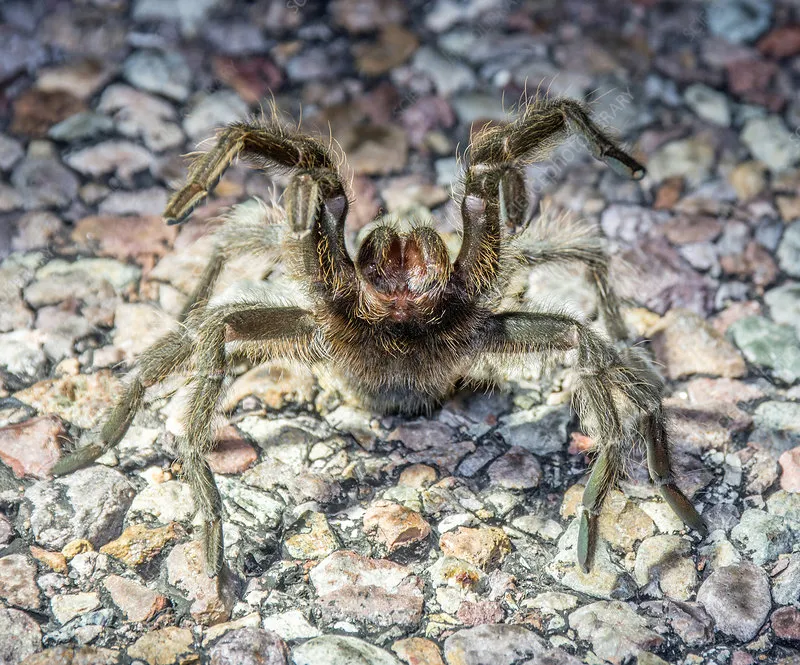
Texas Tarantula: Top 5 Facts
Texas tarantulas, fascinating creatures of the Southwest, often spark curiosity and sometimes fear. Understanding these spiders is key to appreciating their role in the ecosystem. These large, hairy arachnids are more than just creepy crawlies; they are vital components of the Texas landscape. This guide aims to unveil five compelling facts about Texas tarantulas, helping you better understand and appreciate these remarkable creatures. From their physical characteristics to their survival strategies, we’ll delve into the world of Texas tarantulas, dispelling myths and offering insights into their behavior and habitat.
What are Texas Tarantulas?
Texas tarantulas belong to the Theraphosidae family, representing a group of large and often hairy spiders. They are primarily terrestrial, meaning they live on the ground, and are typically nocturnal hunters. Several species of tarantulas can be found within the state of Texas, with the Texas brown tarantula (Aphonopelma hentzi) being one of the most common. These spiders are not generally aggressive but will defend themselves if threatened. Their size, appearance, and behavior distinguish them from other spiders, making them a unique part of the Texas fauna. They are essential predators in their ecosystems, controlling insect populations and providing a food source for other animals.
Where are Texas Tarantulas Found?

Texas tarantulas are found throughout the state, with higher concentrations in the warmer, drier regions. They thrive in areas with suitable habitats, such as grasslands, deserts, and open woodlands. Sightings are common in Central Texas, the Hill Country, and West Texas. These spiders prefer to burrow in the ground, often under rocks, logs, or other debris, where they create a safe haven from the elements and predators. Their distribution is closely tied to the availability of prey and the presence of suitable soil for burrowing. Understanding their preferred habitats is essential for those interested in observing or studying these spiders.
Understanding Their Habitat
The habitat of a Texas tarantula is critical for its survival. They require environments that provide shelter from the sun and predators, and also offer a readily available food source. Burrows are typically constructed in well-drained soil, which helps them maintain a stable temperature and humidity. The presence of insects and other invertebrates is also crucial, as these serve as the primary food source for the tarantula. The spiders tend to avoid areas with excessive moisture or extreme temperatures, which can be detrimental to their survival. Conservation efforts often focus on protecting these habitats to ensure the continued presence of these spiders in the Texas landscape.
Fact One Appearance and Size
Texas tarantulas are large spiders, with body lengths ranging from 1.5 to 3 inches, and leg spans that can reach up to 6 inches. Their bodies are covered in hairs, which give them a fuzzy appearance. The color of Texas tarantulas can vary, but they are typically shades of brown or black, which helps them blend in with their environment. Males are generally smaller and have longer legs than females. The physical characteristics of these spiders, including their size, hairy bodies, and coloration, make them easily identifiable and distinguishable from other arachnids. Observing their size and appearance can be a thrilling experience for nature enthusiasts.
Fact Two Behavior and Diet

Texas tarantulas are primarily nocturnal hunters, active mostly during the evening and night. They typically ambush their prey, lying in wait near their burrows until an unsuspecting insect or small animal comes within reach. Their diet consists mainly of insects, but they may also consume small lizards, mice, or other spiders. These spiders use their fangs to inject venom, which paralyzes their prey, and then they use digestive enzymes to break down the food before consuming it. Their feeding habits play a vital role in controlling insect populations in their ecosystems. Understanding their behavior provides valuable insights into their survival strategies.
What do they eat?
The diet of a Texas tarantula primarily consists of insects, such as grasshoppers, crickets, beetles, and caterpillars. They are opportunistic feeders and will consume whatever prey they can capture. The size of the prey depends on the tarantula’s size and age. Smaller tarantulas focus on smaller insects, while larger, adult tarantulas may consume larger prey, including small vertebrates. They play a critical role in regulating insect populations, keeping the ecosystem in balance.
How do they hunt?
Texas tarantulas are ambush predators, relying on stealth and patience to catch their meals. They typically wait near the entrance of their burrow or in a concealed location until prey comes within striking distance. When an insect or small animal gets close enough, the tarantula quickly pounces, using its fangs to inject venom that paralyzes the prey. They then carry the immobilized meal back to their burrow to consume it. The hunting strategy is highly effective, and the tarantula can survive for long periods between meals.
Fact Three Breeding and Life Cycle

The breeding season for Texas tarantulas typically occurs in the late summer and early fall. Males will leave their burrows in search of females, often traveling long distances. After mating, the female lays eggs in a silken sac, which she guards carefully. The spiderlings hatch within the sac and remain with their mother for a time before dispersing to establish their own burrows. The life cycle of a tarantula can be quite long, with females living for up to 25 years, while males typically live for only a few years after reaching maturity. The reproduction process is a fascinating aspect of their existence, ensuring the continuation of the species.
The Mating Ritual
The mating ritual of Texas tarantulas is an intricate process. Male tarantulas must approach the female with caution, as they risk being eaten if they are not careful. They tap on the female’s burrow or web, signaling their interest. If the female is receptive, they will mate. The male uses special structures on his pedipalps to transfer sperm to the female. After mating, the male must quickly retreat to avoid being attacked and consumed by the female. This ritual is crucial for the propagation of the species and highlights the complex behaviors of these spiders.
Lifespan and Development
The lifespan of a Texas tarantula varies between males and females. Females can live for up to 25 years, while males typically live only a few years after reaching maturity. Spiderlings undergo several molts as they grow, shedding their exoskeletons to accommodate their increasing size. The development process is gradual, and it takes several years for a tarantula to reach adulthood. Their long lifespan allows them to play a significant role in the ecosystem over an extended period.
Fact Four Defensive Mechanisms

Texas tarantulas have several defensive mechanisms to protect themselves from predators. They can flick urticating hairs from their abdomen at perceived threats. These hairs can cause irritation to the skin and eyes. They also possess fangs, which they use to bite in self-defense. While their venom is not lethal to humans, a bite can be painful. Their primary defense is to flee and hide in their burrows. Understanding these defense mechanisms can help individuals avoid unnecessary interactions with these spiders and appreciate their survival strategies.
The Bite and Venom
Texas tarantulas are capable of biting, and they inject venom through their fangs. The venom is not typically considered dangerous to humans, but a bite can cause pain, redness, and swelling. It is essential to avoid provoking or handling tarantulas to minimize the risk of being bitten. If bitten, it is recommended to clean the wound and seek medical attention if symptoms worsen. Understanding the nature of their bite is crucial for safety and dispelling any misconceptions about their threat level.
Fact Five Conservation Status
Texas tarantulas are not currently listed as endangered, but their populations can be affected by habitat loss and human activities. It is important to conserve their habitats and avoid disturbing their burrows. They are an essential part of the ecosystem, and their survival is linked to the health of their environment. Conservation efforts focus on protecting the natural habitats of tarantulas and educating the public about their importance and the need for their preservation. By taking proactive steps, we can ensure the continued presence of these magnificent creatures in the Texas landscape.
Are they endangered?

Currently, Texas tarantulas are not listed as endangered or threatened. However, like many species, they face challenges due to habitat loss and other human activities. Monitoring their populations and habitats is important to ensure their long-term survival. Protecting the habitats where they live, and promoting responsible land use, are crucial steps in their conservation.
How to Help Protect Them
There are several ways to help protect Texas tarantulas. Supporting conservation organizations, avoiding the use of pesticides, and educating others about these spiders can all contribute to their preservation. If you encounter a tarantula, observe it from a distance and avoid disturbing its habitat. Spreading awareness about the importance of these spiders and their role in the ecosystem is a vital step in ensuring their long-term survival. By protecting their habitats, we also safeguard the ecosystems that support these amazing arachnids.
Texas Tarantulas in Texas
Texas tarantulas are a fascinating part of the Texan ecosystem, and their presence should be appreciated. They are not aggressive towards humans, though they may bite if threatened. Their role in the environment and the unique characteristics of these spiders make them worth admiring and protecting. With understanding, we can appreciate and coexist peacefully with these spiders. By learning more about them, we can respect their place in the natural world and help ensure their continued survival for generations to come.