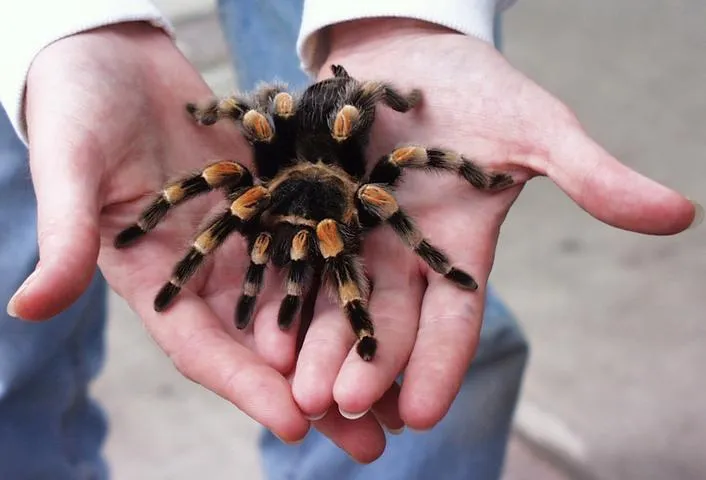
What is the Venom of Mexican Red Knee Tarantula
The Mexican Red Knee Tarantula (Brachypelma hamorii), a popular pet tarantula, is known for its striking coloration and relatively docile temperament. However, like all tarantulas, it possesses venom. This venom is a complex mixture of proteins and enzymes designed primarily for subduing prey. While it’s not typically life-threatening to humans, understanding its effects is crucial for responsible pet ownership and personal safety. The venom’s potency varies, but generally, it’s considered to be of low toxicity to humans. However, individual reactions can differ, and it’s essential to be aware of the potential consequences and how to manage them effectively. This guide delves into the specifics of the venom, its effects, and the necessary precautions to ensure a safe interaction with these fascinating creatures.
Composition of the Venom
Tarantula venom is not a single substance but a complex cocktail of bioactive compounds. These include various enzymes, peptides, and proteins, each with a specific function. The exact composition can vary slightly depending on the tarantula’s age, diet, and environmental conditions. The primary purpose of the venom is to immobilize and begin the digestion of prey. For the Mexican Red Knee Tarantula, the venom is adapted to effectively subdue insects and other small invertebrates, its natural food sources. Understanding the venom’s composition provides insight into how it affects the human body and the types of reactions that might occur. Studies into the specific components help to identify potential treatments and improve understanding of the venom’s effects.
Venomous Components

Several key components make up tarantula venom. Neurotoxins are a significant element, disrupting the nervous system of prey, leading to paralysis. Enzymes are responsible for breaking down tissues, which aids in the pre-digestion of the prey. There are also hyaluronidases, which increase the spread of the venom through tissues by breaking down hyaluronic acid, a component of connective tissue. Other components may cause inflammation and pain at the bite site. The specific ratios and concentrations of these compounds influence the venom’s overall effect. Research into these components aids in developing effective treatments for bites and in understanding the broader applications of these compounds in medicine and other scientific fields.
How the Venom Works
When a Mexican Red Knee Tarantula bites, it injects venom through its fangs. The venom then enters the bloodstream, where it rapidly spreads throughout the body. The neurotoxins in the venom target the nervous system, causing disruptions in the transmission of nerve signals. This leads to the paralysis of the prey. In humans, the effects are usually less severe, but the venom can cause localized pain, swelling, and muscle cramps. The hyaluronidase enzyme in the venom helps it to spread more quickly, increasing the area of effect. The body’s reaction to the venom depends on several factors, including the amount of venom injected, the individual’s sensitivity, and their overall health. Proper understanding of how the venom works helps in the administration of first aid and medical treatments.
Symptoms of a Bite
The symptoms of a Mexican Red Knee Tarantula bite can vary in severity, but are usually not life-threatening. The most common symptoms include immediate, sharp pain at the bite site. This pain is often followed by localized swelling and redness. Other possible symptoms are muscle cramps, itching, and in some cases, a mild systemic reaction. The intensity of the symptoms often relates to the amount of venom injected and individual sensitivity. While rare, some individuals may experience more severe reactions, such as nausea, dizziness, or difficulty breathing. It is crucial to monitor the symptoms after a bite and seek medical attention if the reaction seems severe or worsens over time. Being aware of the symptoms allows for swift and appropriate responses.
Local Reactions

Local reactions are the most common effects of a Mexican Red Knee Tarantula bite. These reactions occur at the site of the bite and typically include intense pain, which can be described as a burning or stinging sensation. Swelling and redness around the bite area are also common, sometimes accompanied by itching. In some instances, the area might feel warm to the touch. The severity of these local reactions depends on several factors, including the amount of venom injected, the location of the bite, and the individual’s sensitivity. Usually, these local reactions subside within a few hours or days, but it is important to monitor the affected area for any signs of infection or unusual symptoms. Proper wound care and over-the-counter treatments can help manage the local symptoms.
Systemic Reactions
Systemic reactions, though rare, can occur after a tarantula bite. These reactions affect the whole body rather than just the bite site. Symptoms can include nausea, dizziness, headaches, and in extreme cases, difficulty breathing or chest pain. Systemic reactions typically indicate a more severe reaction to the venom or an underlying health concern. If these symptoms appear, it is crucial to seek immediate medical attention. While most bites do not cause systemic reactions, it’s important to be aware of the possibility. People with allergies or other sensitivities may be more prone to experiencing systemic symptoms. Prompt medical intervention can help alleviate the symptoms and prevent further complications.
Severity of a Bite
The severity of a Mexican Red Knee Tarantula bite varies significantly. In most cases, the bite causes mild to moderate symptoms. Factors influencing the severity include the amount of venom injected, the individual’s sensitivity, and the location of the bite. Bites on more sensitive areas, like the face or neck, may cause more significant swelling and discomfort. Generally, the venom of the Mexican Red Knee Tarantula is not considered highly toxic to humans. However, any bite should be treated with caution, and it’s essential to monitor the affected area for any signs of a severe reaction. Understanding the factors that influence the severity helps in assessing the risk and determining the appropriate course of action.
Factors Influencing Severity

Several factors can influence the severity of a tarantula bite. The amount of venom injected is a key factor; a larger dose can lead to more pronounced symptoms. The individual’s sensitivity and overall health also play a role. People with allergies or pre-existing health conditions may experience more severe reactions. The location of the bite is another factor; bites near the face or other sensitive areas can be more problematic. The tarantula’s size and the condition of its fangs can also affect the severity. The time elapsed between the bite and treatment is essential. Quick action and appropriate medical care can reduce the severity of symptoms and prevent complications. A thorough assessment of all these factors helps in providing the best possible care.
Comparison with Other Tarantulas
When comparing the venom of the Mexican Red Knee Tarantula with that of other tarantulas, it’s essential to note differences in toxicity and effects. Some tarantula species have more potent venom than others. For example, the venom of some Asian species is considered more toxic than that of the Mexican Red Knee. The effects of different tarantula venoms can vary widely, from mild local reactions to more severe systemic effects. Some species may also have more irritating urticating hairs, which can cause skin irritation and discomfort. Knowing the specific species is essential for assessing the potential danger. If bitten, identifying the tarantula helps in providing the proper treatment and managing the potential risks. Research into the different venoms helps in understanding the effects of tarantula bites.
Treatment and First Aid
Proper treatment and first aid are crucial following a tarantula bite. Immediate actions and medical treatment can significantly reduce the severity of symptoms and prevent complications. Quick and effective responses can make a big difference in managing the outcome of the bite. Knowing the proper steps can ensure the best possible care is provided. It’s crucial to remain calm and follow the appropriate protocols. This includes cleaning the wound, applying cold compresses, and seeking medical attention if necessary. The goal is to reduce pain, prevent infection, and monitor for any severe reactions. Careful handling of a bite can avoid any long-term problems.
Immediate Actions

If bitten by a Mexican Red Knee Tarantula, the first step is to remain calm. Gently clean the bite area with soap and water to reduce the risk of infection. Apply a cold compress to the bite site to reduce swelling and alleviate pain. Elevate the affected limb to help minimize swelling. Monitor the symptoms closely for any signs of a more severe reaction, such as difficulty breathing or excessive swelling. If any severe symptoms appear, seek immediate medical attention. It’s important to note the time of the bite and any symptoms that appear. This information can be helpful for medical professionals in providing appropriate care. Avoid applying a tourniquet or attempting to suck out the venom, as these methods are ineffective and potentially harmful.
Medical Treatment
Medical treatment for a tarantula bite focuses on managing the symptoms and preventing complications. Pain relievers and antihistamines can be administered to reduce pain and itching. In cases of more severe reactions, a doctor might prescribe stronger medications or administer intravenous fluids. Antibiotics may be necessary if there are signs of infection. Medical professionals will monitor the patient’s vital signs and provide supportive care. The specific treatment will depend on the severity of the symptoms and any underlying health conditions. In rare cases, antivenom might be considered, but it is not commonly available for tarantula bites. Follow the advice of a medical professional. The most important part is to get help right away.
Prevention and Safety
Prevention is the best approach when it comes to tarantula bites. Handling precautions and safety measures are essential for pet owners and anyone who might encounter these spiders. Proper education and awareness help minimize the risk. This involves understanding the tarantula’s behavior, its potential hazards, and how to interact with it safely. Creating a safe environment reduces the likelihood of bites. It is crucial to avoid any unnecessary risks. Understanding the proper care and handling techniques can create a safe and fulfilling pet ownership experience. Taking the right precautions helps to ensure the well-being of both the tarantula and the handler.
Handling Precautions

If you handle a Mexican Red Knee Tarantula, there are some essential safety precautions to take. Always handle the tarantula in a controlled environment, away from heights or areas where it could escape. Use appropriate tools such as tongs or a specialized handling hook, when possible. Avoid direct handling, especially if you are inexperienced. Always move slowly and deliberately; sudden movements can startle the tarantula and cause it to bite. Wear protective gloves to reduce the risk of a bite and protect your hands. Never handle a tarantula when tired, stressed, or distracted. Regular and gentle interaction with the tarantula helps to build trust. Make sure you understand how to recognize signs of aggression, and to react accordingly. It’s best to always have a clear plan.
Avoiding Bites
The best way to prevent a tarantula bite is to avoid situations that increase the risk. Do not provoke or harass the tarantula. Avoid putting your hands or face near a tarantula, especially if you are not familiar with its behavior. Always supervise children and educate them about the potential dangers. Keep the tarantula’s enclosure secure to prevent escape. Avoid sudden movements or loud noises that can startle the tarantula. Regularly inspect the enclosure for any signs of damage that could allow the spider to escape. When cleaning or maintaining the enclosure, use tools to minimize direct contact with the tarantula. By practicing these safety measures, the risk of being bitten by a Mexican Red Knee Tarantula can be significantly reduced.
Long-Term Effects and Risks
Most Mexican Red Knee Tarantula bites do not lead to long-term health problems. However, in rare cases, there might be some lasting effects. These may include persistent pain or discomfort at the bite site. People who are allergic to the venom may experience lingering symptoms or recurrent allergic reactions. The risk of infection at the bite site is low, but it is essential to monitor the area for any signs of infection. Understanding the potential long-term effects can help with awareness and management. If you experience any persistent or unusual symptoms after a bite, it’s essential to consult a healthcare professional. Proper aftercare and medical follow-ups help ensure that the long-term risks are minimized.