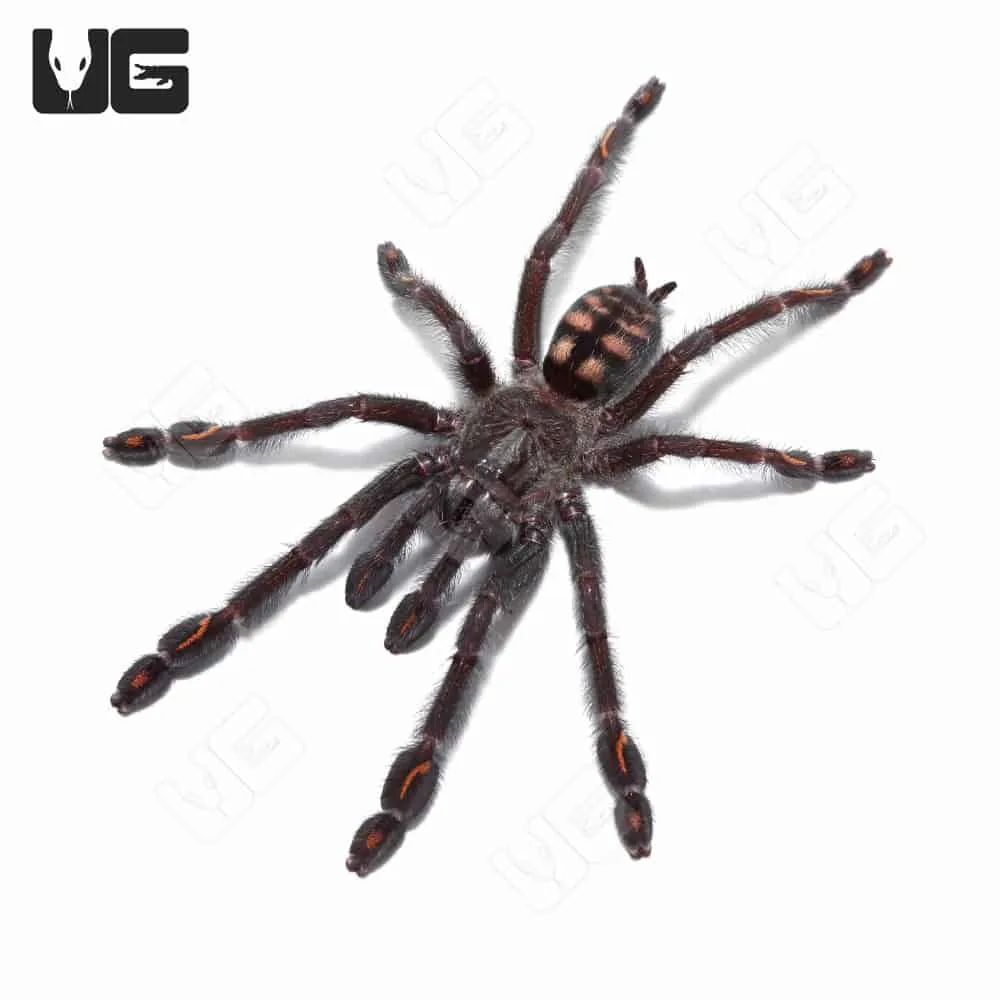
What is the Venezuelan Suntiger Tarantula?
The Venezuelan Suntiger Tarantula, scientifically known as Psalmopoeus irminia, is a captivating species of tarantula native to the tropical regions of Venezuela and Guyana. This arboreal spider is renowned for its striking appearance and relatively fast movement, making it a popular choice among experienced tarantula keepers. Unlike many other tarantula species, the Suntiger is not a burrower, preferring to reside in trees and other elevated locations. Their vibrant coloration and intriguing behaviors have solidified their place as a fascinating subject of study and a sought-after pet, provided one is well-versed in their care requirements and potential hazards. Proper handling, enclosure setup, and understanding their venom are critical for anyone considering this species.
Appearance and Characteristics of the Suntiger Tarantula
The Venezuelan Suntiger Tarantula is a visually stunning spider, easily recognizable by its unique appearance. They typically exhibit a dark, velvety black or brown carapace and legs, adorned with vibrant orange or reddish stripes, hence the name ‘Suntiger’. Their abdomen is often covered in a pattern of contrasting hairs. Adult females can reach a leg span of up to 5-6 inches, while males are typically smaller. This species is known for its relatively slender build and the presence of urticating hairs, which they can flick off their abdomen as a defense mechanism. The Suntiger’s agility and striking coloration make it a true standout in the tarantula world, captivating enthusiasts with its exotic appeal. Regular observation of their behavior, including feeding habits and molting cycles, is essential for ensuring their well-being.
The Suntiger’s Habitat and Behavior

In their natural habitat, Suntiger Tarantulas are arboreal, meaning they dwell primarily in trees and other elevated environments. They create webs and utilize crevices for shelter. Their behavior is generally characterized as being active and fast-moving. They are ambush predators, waiting patiently for prey to come within striking distance. They are also known for their defensive behaviors, including raising their front legs and exposing their fangs when threatened. In captivity, providing a suitable enclosure that mimics their natural environment is vital. This includes appropriate humidity, temperature gradients, and ample vertical space for climbing and web-building. They typically feed on insects, such as crickets and cockroaches, and require a steady supply of water. The observation of their behavior provides crucial insights into their health and welfare.
Understanding Suntiger Tarantula Venom
Tarantula venom, including that of the Venezuelan Suntiger, is a complex cocktail of various compounds. This venom is primarily used for subduing prey, although it also serves a defensive purpose. The venom contains a mixture of enzymes, peptides, and proteins that can have different effects on various organisms. While the venom of the Suntiger is not considered lethal to humans, it can induce a range of localized symptoms. Understanding the composition and effects of tarantula venom is essential for both pet owners and researchers. It is crucial to recognize that while bites are rare, they can be unpleasant. The severity of the reaction may vary depending on individual sensitivity and the amount of venom injected. Proper handling techniques and preventive measures can significantly reduce the risk of a bite.
What Makes Suntiger Tarantula Venom Unique?
The venom of the Suntiger Tarantula, like that of other tarantula species, is a complex mixture of bioactive components. However, specific aspects can distinguish it from other species. While detailed research is still ongoing, studies suggest that the venom may contain specific neurotoxins and enzymes tailored to effectively immobilize their insect prey. The exact composition can also vary slightly depending on factors such as the tarantula’s age, diet, and geographic location. This unique composition contributes to the overall effectiveness of the venom in prey capture and self-defense. The ongoing research into the components of tarantula venom offers potential insights into pain management and drug development, highlighting the medical significance of studying these fascinating creatures.
Top 5 Facts About Suntiger Tarantula Venom

Fact 1 The composition of the venom
The venom of the Venezuelan Suntiger Tarantula is a complex mixture of compounds. It is composed of various enzymes, peptides, and proteins. These components work synergistically to paralyze and digest prey. The precise composition can vary, but generally, tarantula venoms contain neurotoxins that affect the nervous system, as well as enzymes that break down tissue. Research into the specific components of the Suntiger’s venom is ongoing, revealing detailed insights into its mode of action. Understanding the composition is critical for developing effective treatments and potential medical applications. These components interact in a way that allows the spider to subdue its prey rapidly and efficiently.
Fact 2 How the venom affects prey
Suntiger Tarantula venom is designed to rapidly incapacitate its prey. Primarily, the venom affects the nervous system of insects, causing paralysis. The neurotoxins in the venom interfere with the transmission of nerve signals, effectively immobilizing the prey. Additionally, the venom contains enzymes that initiate the digestive process, breaking down the prey’s tissues. This pre-digestion makes it easier for the tarantula to consume its meal. The speed and efficiency with which the venom works allow the tarantula to safely and effectively subdue prey that may be much larger than itself. The effectiveness of the venom is an important factor in the tarantula’s survival strategy.
Fact 3 Symptoms of a bite in humans

While a Suntiger Tarantula bite is not typically life-threatening to humans, it can cause several unpleasant symptoms. These include localized pain, redness, and swelling at the bite site. Some individuals may experience muscle cramps, itching, or nausea. The severity of the symptoms depends on factors such as individual sensitivity and the amount of venom injected. While systemic reactions are rare, anyone bitten should monitor their symptoms closely and seek medical attention if they worsen. Proper first aid measures, like cleaning the wound and applying a cold compress, can help alleviate symptoms. Careful handling of the tarantula is essential to minimize the risk of being bitten.
Fact 4 Research and medical uses
Tarantula venom, including that of the Suntiger, is currently a subject of research in medical applications. The components within the venom are being studied for potential use in pain management and drug development. Researchers are investigating the specific neurotoxins and their effects on pain pathways. This research could lead to the development of new medications for chronic pain conditions. Additionally, certain components of the venom show promise in other therapeutic areas, such as the treatment of neurological disorders. Further research is needed to fully explore the medical potential of tarantula venom and its specific benefits. The ongoing studies are aimed at finding new, more effective treatments for various diseases.
Fact 5 Safety precautions and handling
Handling a Venezuelan Suntiger Tarantula should be approached with caution and respect. Always wash your hands before and after handling the tarantula. When handling, do so over a soft surface, like a bed or low to the ground, to prevent injury if the spider falls. Avoid sudden movements and be aware of the tarantula’s potential defensive behaviors. Never try to grab or corner the tarantula, as this can increase the chances of a bite. Use a long pair of tongs to move it from one place to another. Always supervise children and educate them about the dangers. Consistent and proper handling is essential to maintain the well-being of the tarantula and to safeguard the handler.
Treating and Preventing Suntiger Tarantula Bites

First aid for Suntiger Tarantula bites
If bitten by a Venezuelan Suntiger Tarantula, the first priority is to remain calm. Wash the bite area thoroughly with soap and water. Apply a cold compress to the affected area to reduce pain and swelling. If possible, elevate the limb to minimize swelling. Monitor the symptoms closely, watching for any signs of a severe reaction. If symptoms worsen, such as difficulty breathing or significant swelling, seek immediate medical attention. Antihistamines can sometimes help with itching, but consult a medical professional. Proper first aid is vital to prevent secondary infections and to manage the symptoms effectively. Documentation of the bite, including the time and any immediate reactions, can be helpful for medical professionals.
When to seek medical attention
While most Suntiger Tarantula bites are not life-threatening, there are instances when medical attention is necessary. Seek immediate medical attention if you experience difficulty breathing, severe swelling, or other signs of an allergic reaction. If you experience persistent or worsening symptoms, such as intense pain, fever, or infection, consult a doctor. Individuals with pre-existing medical conditions or those who have had allergic reactions to insect bites in the past should also seek medical advice. It is always better to err on the side of caution and seek professional medical advice when in doubt. Having a clear record of the bite and the symptoms observed can help medical professionals make informed decisions about treatment.
Preventive measures for tarantula owners

Preventing bites from a Venezuelan Suntiger Tarantula is the best approach. Always handle the tarantula with extreme care. Use tools such as long tongs to move or interact with the spider. Ensure the enclosure is secure and escape-proof. Avoid putting your hands directly into the enclosure unless absolutely necessary and you have experience. Learn about the spider’s behavior, including its signs of stress or aggression, and respect its space. When cleaning the enclosure, wear gloves. By following these preventive measures, you significantly reduce the risk of being bitten and create a safer environment for both you and the tarantula. Regular cleaning, inspection of the enclosure, and cautious handling are all key to a positive experience.
The Future of Suntiger Tarantula Venom Research
The study of Suntiger Tarantula venom is an ongoing and dynamic field. Future research will likely focus on identifying and characterizing the specific components of the venom in greater detail. Researchers are expected to explore the potential medical applications of these compounds, including their use in pain management, drug development, and possibly the treatment of various neurological disorders. Advancements in molecular biology and proteomics will allow for a deeper understanding of how the venom interacts with biological systems. Furthermore, studies may investigate the venom’s role in the spider’s survival, including its impact on prey and defensive strategies. The continued research offers exciting prospects for both scientific advancement and potential human benefits.