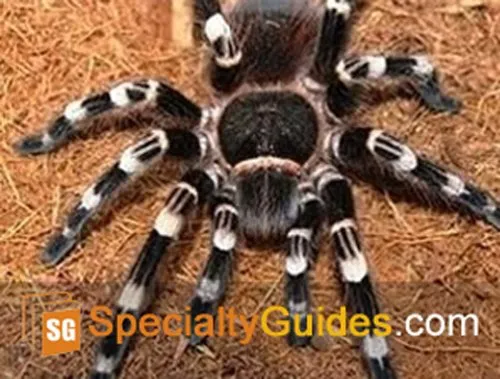
Understanding the White Knee Tarantula (A. geniculata)
The White Knee Tarantula, scientifically known as Acanthoscurria geniculata, is a popular and impressive species among tarantula enthusiasts. Native to the rainforests of Brazil, this terrestrial tarantula is known for its striking appearance and relatively docile temperament, making it a rewarding pet for experienced keepers and those willing to do thorough research. Understanding this species’ needs is crucial for ensuring its health, longevity, and well-being. This comprehensive guide provides everything you need to know to properly care for your White Knee Tarantula and create a thriving environment for this captivating arachnid.
Appearance and Characteristics of the White Knee Tarantula
The White Knee Tarantula is easily recognizable due to its distinctive markings. The spider features a dark, velvety black body contrasted by stark white bands on its leg joints, hence the name “White Knee.” They are a large tarantula species, with females reaching a leg span of up to 8 inches (20 cm). Males are typically smaller. Their bodies are covered with urticating hairs, which they can flick off as a defense mechanism. These hairs can cause skin irritation if they come into contact, so handling should be minimized unless necessary. Their overall appearance is quite impressive, adding to their allure as a pet.
Habitat and Natural Environment
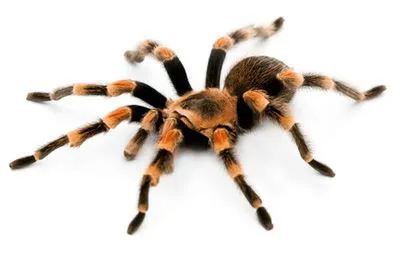
In their natural habitat, White Knee Tarantulas are found in the tropical rainforests of Brazil. They live in burrows or under shelters like rocks and logs. The environment is typically humid and warm, with plenty of leaf litter and substrate for burrowing. Replicating these conditions in captivity is vital for their well-being. This includes providing a suitable substrate, maintaining appropriate temperature and humidity levels, and offering hiding places. Understanding their natural environment helps keepers cater to their specific needs more effectively, providing a more fulfilling life for the tarantula.
Setting Up the Perfect White Knee Tarantula Enclosure
Creating the right habitat is essential for the health and happiness of your White Knee Tarantula. The enclosure should replicate their natural environment, providing a safe and comfortable space. The key elements of the setup include the proper size and type of enclosure, appropriate substrate, decorations, and the right temperature and humidity levels. Investing time and effort in setting up a suitable environment will provide your tarantula with a secure, stress-free home where it can thrive. The following sections delve into each of these crucial aspects in detail.
Enclosure Size and Type
A properly sized enclosure is essential. For adult White Knee Tarantulas, a 10-20 gallon terrarium or a similar-sized enclosure is usually sufficient. The enclosure should be wider than it is tall, as these are terrestrial tarantulas and do not require significant vertical space. The enclosure should be escape-proof, with a secure lid. Ventilation is crucial, so make sure the enclosure allows for proper air circulation. Consider using a front-opening terrarium for easy access for feeding and maintenance.
Substrate and Decorations

The substrate is a critical element of the enclosure. The substrate should be at least 4-6 inches deep to allow the tarantula to burrow. A good substrate mix consists of a combination of materials like coconut fiber, peat moss, and a small amount of vermiculite. These materials retain moisture, which is crucial for maintaining humidity. Decorations, such as cork bark, artificial plants, and sturdy hides, provide hiding places and enrichment for the tarantula. Ensure that any decorations are stable and non-toxic to prevent injury. Also, avoid sharp objects or anything that could harm the tarantula during burrowing or molting.
Temperature and Humidity Requirements
White Knee Tarantulas thrive in a warm and humid environment. The ideal temperature range is between 75-85°F (24-29°C). A heat mat on the side of the enclosure can provide supplemental heat, but it’s crucial to monitor the temperature to prevent overheating. Humidity levels should be maintained between 70-80%. This can be achieved by regularly misting the enclosure and ensuring the substrate remains slightly moist. Proper ventilation is also essential to prevent the buildup of mold and bacteria. A hygrometer is a useful tool to monitor the humidity levels and make necessary adjustments.
Feeding Your White Knee Tarantula
Feeding your White Knee Tarantula properly is a crucial aspect of their care. A well-balanced diet ensures the tarantula gets the necessary nutrients to thrive. This includes choosing the right type of food, determining the frequency of feeding, and providing an adequate amount of food. Careful attention to these details will help your tarantula grow healthy and strong. Understanding the dietary needs of White Knee Tarantulas is essential for any owner.
Choosing the Right Food

White Knee Tarantulas are insectivores, meaning their diet should primarily consist of insects. Suitable food items include crickets, roaches (Dubia roaches are a good choice), mealworms, and other commercially available insects. The size of the prey should be appropriate for the size of the tarantula. As a general rule, the prey should be no larger than the tarantula’s body. It’s important to provide a variety of insects to ensure a balanced diet. Gut-loading the insects with nutritious food a day or two before feeding them to your tarantula is recommended to enhance the nutritional value.
Feeding Frequency and Amounts
The feeding frequency for White Knee Tarantulas depends on their age and size. Spiderlings and juveniles should be fed more frequently, typically 2-3 times per week. Adult tarantulas can be fed once every 1-2 weeks. Observe your tarantula’s feeding habits. If the tarantula consistently refuses food, it might be a sign that it is about to molt or that the enclosure conditions are not ideal. Remove any uneaten food within 24 hours to prevent the growth of mold or mites. Always ensure a water dish is available for hydration.
Watering and Hydration
Providing fresh water is essential. Always keep a shallow water dish in the enclosure. Use a dish that is easy to access and difficult for the tarantula to tip over. Change the water regularly, usually every few days, to keep it clean and prevent bacterial growth. Misting the enclosure can also help maintain humidity levels, but avoid directly spraying the tarantula. In addition to providing a water dish, ensure that the substrate is slightly moist but not soggy, as this can lead to health problems.
Handling and Safety Precautions

Handling tarantulas is generally not recommended, but if handling is necessary, it’s important to take proper precautions. White Knee Tarantulas can be skittish and may bite if they feel threatened. Their urticating hairs can cause skin irritation. Understanding the risks and following best practices will help ensure your safety and the safety of your tarantula.
Handling Risks and Best Practices
White Knee Tarantulas, like all tarantulas, can bite, and their bite can be painful, though it’s rarely medically significant to humans. The main risk with this species, like many, comes from their urticating hairs. These hairs can cause significant skin irritation and, if inhaled, can irritate the respiratory system. If handling is necessary, do so only when the tarantula is calm and in a secure environment, close to a surface in case it falls. Avoid sudden movements and be gentle. Always wash your hands thoroughly before and after handling, and avoid touching your face or eyes. If you develop any skin irritation, wash the affected area with soap and water.
Recognizing Signs of Illness or Stress
Observe your tarantula for any signs of illness or stress. These include lethargy, loss of appetite, tremors, or unusual behavior. A tarantula that consistently refuses food or remains in a specific area of the enclosure may be stressed or ill. Watch for any changes in posture or movement. If you notice any of these signs, consult with an experienced tarantula keeper or veterinarian. Providing a suitable environment and proper care can prevent most health issues. Early detection and intervention can improve the chances of a successful recovery.
Common Health Issues and Prevention

Several health issues can affect White Knee Tarantulas, but many can be prevented with proper care. Maintaining the correct temperature and humidity, providing a clean enclosure, and ensuring a balanced diet are key. Overly wet or dry conditions can lead to problems. Mites and mold can be a sign of improper enclosure maintenance. Always monitor the tarantula and the environment for any signs of these issues. Routine observation and prompt action are crucial for maintaining your tarantula’s health. Regular cleaning, appropriate substrate, and a balanced diet are essential preventative measures.
Molting Process
Molting is a natural process where tarantulas shed their exoskeleton to grow. The frequency of molting depends on the tarantula’s age, with juveniles molting more frequently than adults. During the molting process, tarantulas are vulnerable and should not be disturbed. Providing a safe and undisturbed environment during this critical period is vital.
What to Expect During Molting
Before molting, the tarantula may become inactive and may refuse food. They might also build a web mat or flip onto their back. The molting process can take several hours. It involves the tarantula shedding its old exoskeleton and revealing a new, larger one. It is essential to provide a humid environment during molting to ensure the process goes smoothly. Do not disturb the tarantula during molting. If the tarantula has difficulty molting, it may indicate an issue with the enclosure conditions, such as insufficient humidity.
Post-Molting Care

After molting, the tarantula’s new exoskeleton is soft and vulnerable. Do not feed the tarantula for several days to allow the exoskeleton to harden. The tarantula will usually be hungry and will begin eating again after the new exoskeleton has fully hardened. Make sure the tarantula has access to fresh water. Monitor its behavior and appearance. If there are any issues after molting, it could indicate a problem with environmental conditions, so adjust the setup accordingly. The tarantula’s coloration will also be at its brightest after molting.
Breeding and Reproduction
Breeding White Knee Tarantulas is a complex process that should only be attempted by experienced keepers. It involves careful preparation and observation. The process begins with the introduction of a mature male and female tarantula. The female typically lays an egg sac that the keeper can then remove. Success in breeding depends on the tarantulas’ health and a conducive environment.
Sexing Your Tarantula
Determining the sex of your tarantula is an important step, especially if you want to breed them. The most reliable method is to examine the tarantula’s exuvium (molted exoskeleton) under a magnifying glass. Look for the presence of spermathecae in the female. In adult males, you’ll see the presence of tibial hooks and bulbous pedipalps. Ventral sexing, where the underside of the tarantula is examined, can sometimes be performed, but it is more difficult.
White Knee Tarantula Care Sheet Maintaining the Enclosure and Sanitation
Maintaining a clean and sanitary environment is crucial for the health of your White Knee Tarantula. Regular cleaning and maintenance prevent the buildup of harmful bacteria and mites. The following sections detail important steps for maintaining a healthy enclosure.
Regular Cleaning and Maintenance
Regular cleaning is essential to keep the enclosure in good condition. Spot-clean the enclosure weekly by removing any uneaten food, feces, and molted exoskeletons. Depending on the substrate type, a complete substrate change should be done every 6-12 months or when the substrate is significantly soiled. During cleaning, avoid using harsh chemicals or cleaning agents, as these can be harmful to the tarantula. Always wear gloves and wash your hands thoroughly before and after cleaning to maintain hygiene and prevent the spread of contaminants.
Waste Removal and Hygiene
Proper waste removal is crucial for maintaining hygiene and preventing the buildup of harmful bacteria and odors. Feces and other waste products should be removed during regular spot cleaning. Regularly inspect the enclosure for any signs of mold or mites. If mold or mites are found, address the issue promptly by removing contaminated substrate, cleaning the enclosure, and adjusting the environmental conditions. Proper ventilation and maintaining the correct humidity levels are essential for preventing these issues. Monitoring the enclosure closely will help detect any potential problems early on.
Conclusion
Caring for a White Knee Tarantula can be a rewarding experience. With the correct knowledge, appropriate setup, and dedicated care, you can provide your tarantula with a long, healthy, and fulfilling life. Remember to always do your research, observe your tarantula’s behavior, and create an environment that mimics its natural habitat. Following the guidelines in this care sheet will enable you to enjoy the unique beauty and fascinating behaviors of the White Knee Tarantula for years to come.