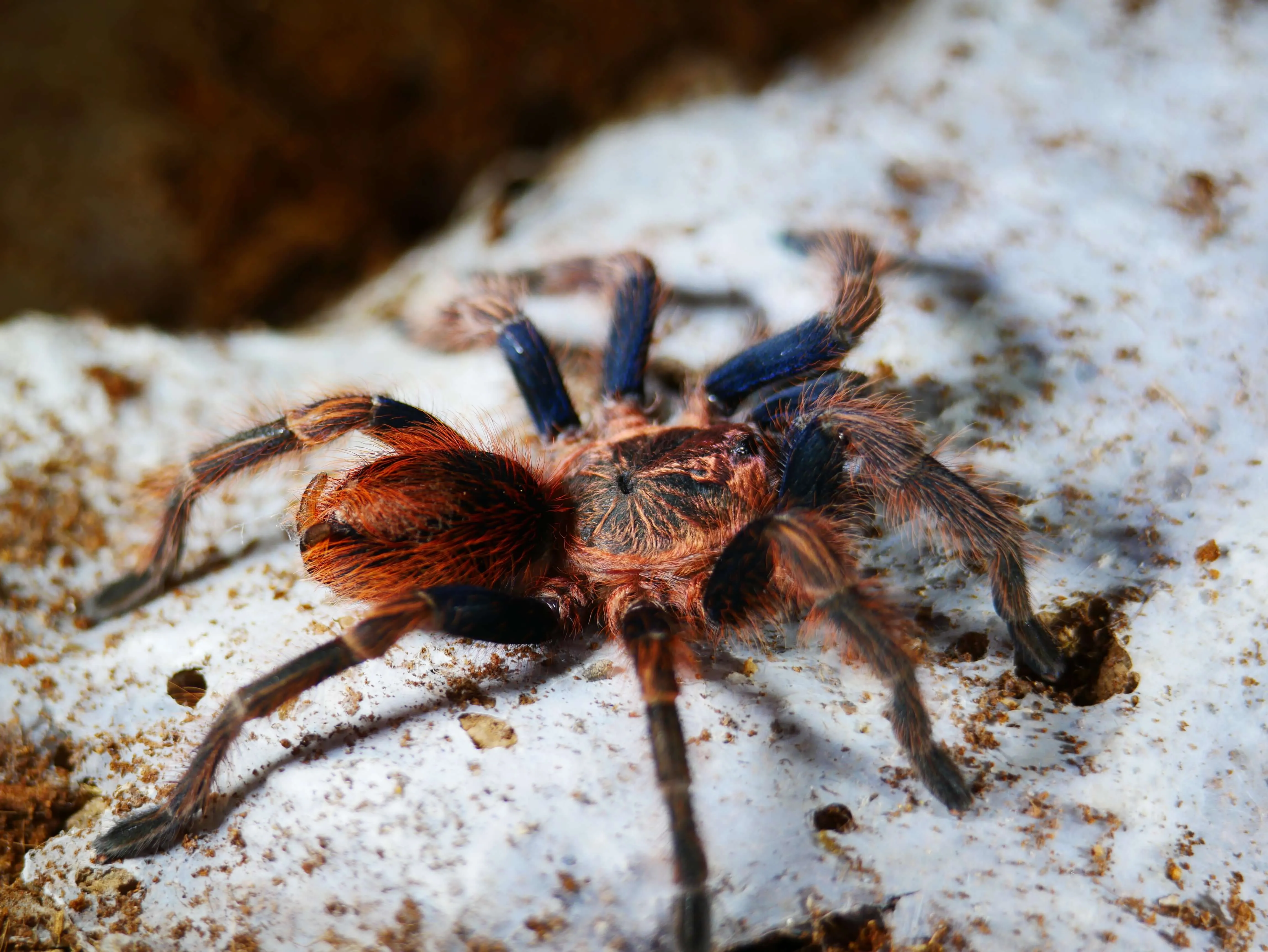
Wild World Tarantulas Top 7 Facts
Tarantulas, with their hairy legs and imposing size, often evoke a mix of fascination and fear. These remarkable arachnids, belonging to the Theraphosidae family, are found in diverse habitats across the globe. This article delves into seven captivating facts about tarantulas, shedding light on their unique characteristics, behaviors, and ecological significance. Prepare to be amazed by the wild world of tarantulas and discover what makes these creatures so extraordinary.
What are Tarantulas
Tarantulas are large, hairy spiders that belong to the Theraphosidae family. They are known for their size, with some species having a leg span of over 10 inches. Unlike many other spiders, tarantulas are generally not considered dangerous to humans, although their bite can be painful. They are primarily nocturnal hunters, using their fangs to inject venom into their prey, which typically consists of insects, other arthropods, and occasionally small vertebrates. Tarantulas are found on every continent except Antarctica, thriving in a variety of habitats from tropical rainforests to deserts.
Appearance and Characteristics

Tarantulas exhibit a wide range of appearances, varying in size, color, and the density of their hair. Their bodies are divided into two main parts the cephalothorax (fused head and chest) and the abdomen. The cephalothorax houses the eyes, mouthparts, and legs, while the abdomen contains the internal organs. Tarantulas have eight legs, each covered in sensory hairs that help them detect vibrations and navigate their surroundings. Their bodies are often covered in urticating hairs, which they can flick at potential predators as a defense mechanism. Coloration ranges from earthy browns and blacks to vibrant blues, oranges, and reds, often providing camouflage within their environment.
Tarantula Habitats
Tarantulas are incredibly adaptable creatures, inhabiting a diverse array of habitats around the world. They are commonly found in tropical rainforests, grasslands, deserts, and even suburban areas. Their habitat preferences vary depending on the species, with some tarantulas being terrestrial, burrowing in the ground, while others are arboreal, living in trees. The availability of shelter, food, and suitable environmental conditions, such as temperature and humidity, plays a crucial role in determining where a tarantula can thrive. Understanding their habitat needs is essential for their conservation and for providing appropriate care when keeping them as pets. The image shows a tarantula’s habitat and the kind of shelter they make.
Where do Tarantulas live
Tarantulas can be found living in burrows, under rocks, in tree hollows, or amongst dense vegetation. Burrowing tarantulas dig elaborate tunnels in the ground, often lining them with silk to stabilize the walls. Arboreal species create webs in trees or utilize existing crevices for shelter. Their chosen habitat provides protection from predators, regulates temperature, and offers opportunities for hunting and reproduction. The specific location and features of a tarantula’s habitat are crucial for its survival and overall well-being. Habitats are essential for survival and a key to the tarantulas life.
The Wild World Diet of Tarantulas

Tarantulas are primarily carnivorous predators, with their diet consisting mainly of insects and other arthropods. However, larger species may also consume small vertebrates such as lizards, frogs, and even small birds or mammals. They are ambush predators, using their keen senses to detect the movement of potential prey. Once within striking distance, they swiftly seize their target, injecting venom to immobilize it. The venom contains digestive enzymes that break down the prey’s tissues, making it easier for the tarantula to consume. They typically crush the prey and ingest the liquid, leaving behind the exoskeleton and other indigestible parts. The image shows a tarantula eating it’s meal.
What do Tarantulas Eat
Tarantulas have varied diets depending on their size and the availability of prey in their habitat. Common food sources include crickets, mealworms, cockroaches, grasshoppers, and other invertebrates. In the wild, they will opportunistically hunt whatever prey is accessible. Pet tarantulas can be fed a controlled diet, often consisting of commercially available insects. Ensuring a balanced diet is crucial for maintaining the tarantula’s health and providing the necessary nutrients for growth and development.
Tarantula Lifespan
Tarantulas are known for their relatively long lifespans compared to many other spider species. The exact lifespan varies depending on the species, sex, and environmental conditions. Female tarantulas generally live much longer than males, often surviving for 20 to 30 years or even longer in some cases. Male tarantulas, on the other hand, typically reach maturity in a few years and may only live for a year or two after that. Factors such as diet, temperature, and the absence of predators contribute to their longevity. The image shows a tarantula’s long life and how long they live.
How Long do Tarantulas Live

The lifespan of a tarantula depends on its species and sex, with females living significantly longer than males. Some species can live for over 30 years, making them one of the longest-lived invertebrates. Male tarantulas usually die shortly after mating, which is a significant difference in their life cycle. Understanding the lifespan of a tarantula is crucial for providing appropriate care, especially when keeping them as pets. This long lifespan allows for a unique opportunity to observe and study these fascinating creatures over an extended period.
Tarantula Defenses
Tarantulas possess various defense mechanisms to protect themselves from predators. One of the most common is the use of urticating hairs, which are barbed hairs located on their abdomen. When threatened, they flick these hairs towards the attacker, causing irritation and itching upon contact. Some species also have the ability to bite, injecting venom that is typically not lethal to humans but can cause pain and discomfort. Others may raise their front legs and expose their fangs as a warning display. In addition to these physical defenses, tarantulas often rely on camouflage, blending into their surroundings to avoid detection. The image shows how tarantulas defend themselves.
How do Tarantulas Defend Themselves
Tarantulas have several defense mechanisms to protect themselves from predators, including urticating hairs, bites, and threat displays. Urticating hairs are a primary defense, causing irritation upon contact. Their bites, while not usually deadly to humans, deliver venom that can cause pain. Threat displays involve raising their front legs and exposing their fangs. These defenses are crucial for survival in the wild and help tarantulas avoid being preyed upon by larger animals. Learning how tarantulas defend themselves is important to study their behavior.
Tarantula Species Diversity

The tarantula family, Theraphosidae, is incredibly diverse, comprising over 1,000 recognized species worldwide. These species exhibit a remarkable range of sizes, colors, and behaviors, reflecting their adaptation to various environments. The diversity within the tarantula family highlights the evolutionary success of these arachnids, with species occupying a wide array of ecological niches. New species are still being discovered, adding to the ongoing fascination and study of these creatures. This diversity underscores the need for conservation efforts to protect their habitats and the unique species they support. The image shows the diversity of tarantula species.
Different Types of Tarantulas
The tarantula family includes a vast number of different types of tarantulas, each with unique characteristics and adaptations. Some popular species include the Mexican Redknee, known for its striking coloration, and the Goliath Birdeater, the largest tarantula in the world. Other notable types include the Chilean Rose, known for its docile temperament, and various arboreal species like the Pinktoe tarantula. These different types of tarantulas demonstrate the amazing variety within the Theraphosidae family, showcasing the incredible diversity of these fascinating creatures.
Wild World Tarantulas and Humans
Tarantulas have a complex relationship with humans, ranging from fear and fascination to scientific study and pet ownership. In many cultures, tarantulas are viewed with a mixture of awe and apprehension, often due to their size and appearance. They play a role in folklore and mythology, sometimes symbolizing danger or mystery. Scientific research on tarantulas has contributed to our understanding of spider venom, behavior, and evolution. The practice of keeping tarantulas as pets has also grown in popularity, with many enthusiasts appreciating their unique characteristics and relatively low-maintenance needs. The image shows a tarantula being kept as a pet, which allows humans to be involved and learn about tarantulas.
Tarantula as Pets

Keeping tarantulas as pets has become increasingly popular, with many people drawn to their unique appearance and interesting behaviors. They are generally considered to be low-maintenance pets, requiring a suitable enclosure, appropriate temperature and humidity, and a diet of insects. However, it is essential to research the specific needs of each tarantula species before bringing one home. Responsible pet ownership includes providing a safe and enriching environment, understanding their natural behaviors, and being prepared to meet their long-term needs, especially considering their potentially long lifespans. The image shows a tarantula as a pet in its enclosure.
Tarantula Conservation Status
The conservation status of tarantulas varies depending on the species and their geographic location. While many tarantula species are not currently listed as endangered, habitat loss, deforestation, and the pet trade pose significant threats to their populations. Some species face localized declines due to over-collection for the pet market or destruction of their natural habitats. Conservation efforts are crucial to protect tarantula populations and their habitats. These efforts include habitat preservation, sustainable pet trade practices, and raising public awareness about the importance of these fascinating creatures.
Are Tarantulas Endangered
While most tarantula species are not yet classified as endangered, several factors threaten their survival. Habitat loss, due to deforestation and urbanization, is a major concern, as it reduces the available space and resources for tarantulas. Over-collection for the pet trade can also impact wild populations, especially for rare or highly sought-after species. Climate change and other environmental stressors pose additional challenges. Conservation efforts are essential to monitor and protect tarantula populations, including habitat preservation, sustainable pet trade practices, and promoting public awareness of these fascinating creatures.